
“Industrial use of solar heat is clearly on the rise,” says Christoph Brunner, leader of the new IEA SHC project Solar Process Heat for Production and Advanced Applications (Task 49). “Until a few years ago, it seemed that this topic was mostly driven by academics, but with ever increasing energy prices industrial users of heat have newly discovered solar energy as an attractive option.”
Last year, the researchers from five countries had carefully analysed what hindered more industrial companies to use solar energy for their thermal energy demand. The result was not one big road block but a bundle of issues which are now addressed in the project:
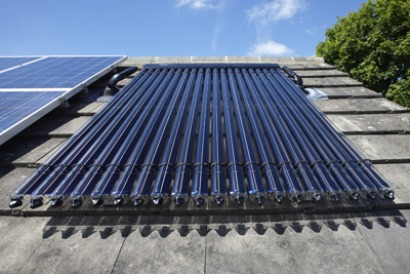
Process heat collectors: improving existing collector designs and extending test standards to allow for quality assurance of these important components
Overall system design: reviewing and improving the way solar thermal is integrated into industrial heating systems
Guidelines: Development of monitoring tools and design guidelines supporting those who plan and install solar installations for industrial process heat.
The project, which will run until the end of 2015, is jointly organised with the SolarPACES programme of the IEA.
“About 1/3 of industrial heat use is at temperatures up to 100°C – which can be supplied with market available collectors already today,” adds Brunner “In specific industries, such as food and beverages, machinery or textiles, 60% of the heat used is below 250°C. Our project aims at both temperature segments and will help tap into this huge potential for solar energy.”
For additional information: