
Their analysis finds that the UK’s transition pathway was built on assumptions that the SMMT argues is over-optimistic, with the gap between policy ambition and market reality continuing to widen. It says that the automotive sector remains fully committed to net zero, but that conditions have changed so much that failing to reassess the route risks undermining the objectives the policy was designed to achieve.
Despite having the highest battery electric vehicle (BEV) market share of any major European market, the UK is already falling short of its own expectations, the SMMT says in a press release. In 2025, battery electric vehicles accounted for 23.4 percent of new car registrations – below the 28 percent ZEV mandate requirement, and short even of the 26 percent government originally expected would be achieved without regulation. This is despite UK drivers enjoying a massive choice of more than 160 BEV models – the result of billions of pounds invested by manufacturers.
The SMMT argues that unprecedented levels of discounting – more than £10 billion over the past two years – in effect, subsidies, is unsustainable and undeliverable when at the end of 2027 the targets become significantly tougher (52 percent for cars, 46 percent for vans). It also points to higher battery costs, high raw material costs and a rise in UK and EU industrial energy prices since 2021, meaning that the expected price parity between electric and conventionally fuelled vehicles has not materialised, restricting the pace of transition.
“The UK’s EV transition pathway was conceived with the best of intentions, but the assumptions behind it have proved over-ambitious” said chief executive at the SMMT, Mike Hawes. “A landscape which once looked solid has turned out to be quicksand. Recognising the world of 2026 is not the one envisaged five years ago is not a retreat from ambition; it is a necessary step to achieving it. We need an urgent review that reflects today’s realities, that delivers decarbonisation not deindustrialisation and offers consumers the choice they have always expected.”
However, not everyone in the industry agrees with this analysis.
Two senior figures from the UK’s electric vehicle sector warn that weakening policy certainty now risks slowing progress just as the shift to electric gathers pace.
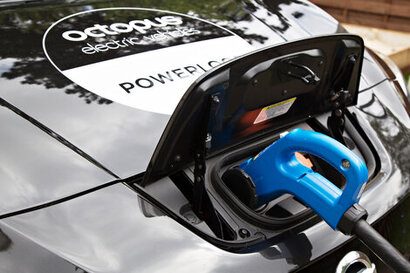
Fiona Howarth, Founder & Director, Octopus Electric Vehicles, and Tanya Sinclair, CEO, Electric Vehicles UK, say the transition is already well underway and that maintaining policy certainty is essential to continue building momentum among drivers, investors and infrastructure providers.
“Drivers are already choosing electric in growing numbers because the technology and economics make sense” said Fiona Howarth, Founder & Director, Octopus Electric Vehicles. “The ZEV mandate provides the certainty that brings more choice and better value to drivers. Weakening this policy now would be the wrong approach. We should be doubling down on ways to power our cars and homes with energy produced here in the UK, rather than relying on imported fossil fuels. The focus now should be on building confidence and accelerating the transition, not slowing it down.”
Tanya Sinclair, CEO, Electric Vehicles UK, added that the UK’s EV transition is already well underway and that electric vehicles accounted for almost a quarter of new car sales last year, and more than two million drivers are already enjoying the benefits of going electric. “If some manufacturers now want to weaken the targets designed to bring these vehicles to market, they are only hurting themselves. Drivers are increasingly choosing electric because the technology, performance and running costs are better. Asking government to slow the rollout of EVs goes against what drivers want and risks reducing choice just as demand is growing. Weakening the ZEV mandate will not stop the transition. It will only leave the companies calling for it further behind.”
Industry leaders are saying that as EV adoption continues to grow and the UK remains one of Europe’s leading EV markets, the priority should now be building confidence among drivers and businesses to accelerate the transition rather than revisiting the overall direction of travel.
For additional information: