
Carbon-friendly houses use only as much energy as they need because they can keep external influences out, while maintaining internal conditions. A strong envelope is the cornerstone of this dynamic. It must extend throughout the building’s most vulnerable points, including the walls, roofing and foundation.
Insulation and airtightness are vital for keeping HVAC systems performing optimally for as long as their marketing promises. This is because net-zero-focused envelopes have an R-value that matches the climate zone, and it reduces thermal bridging that can lead to erratic temperatures. HVAC systems operate with lower energy burdens and prevent overwork, which reduces excess consumption and carbon emissions.
Doors, windows, garages and crawl spaces are only a few other areas where pollution, humidity and combating temperatures can intrude. An estimated 30% of heating escapes through windows, revealing how much warmth and money are wasted due to thermal runaway.
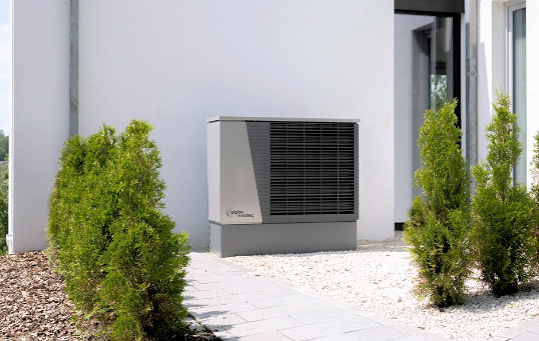
Achieving net-zero status requires buildings to replace antiquated technologies that rely on fossil fuels or polluting materials, such as wood. This includes furnaces and water heaters. Instead, experts can install air-source heat pumps, eliminating the need for a feedstock. Studies show electrifying space heating with a heat pump can reduce household emissions by 38%-53% compared to gas-powered furnaces.
The motivation to adopt heat pumps extends beyond carbon emissions. Net-zero homes also embrace other aspects of climate advocacy, such as public health and social justice. Lowering personal contributions to overall pollution contributes to a more sustainable society. This includes lowering the millions of HVACs sent to landfills as e-waste, when the majority of the unit is recyclable,
Consider a home that recently adopted a ductless HVAC system to replace its old and inefficient model. It creates a more sustainable environment by improving air quality and consolidating the system for easier repairs. Getting an energy-efficient HVAC system is the first step, and powering it with renewable energy is the next phase of a net-zero home.
Eventually, a carbon-neutral home should strive to become circular or further offset its emissions. If the HVAC system is low-emissions and coupled with a renewable generation system, the home becomes even more environmentally conscious — giving back to the environment more than it takes.
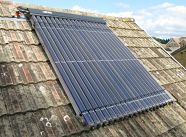
Solar PV also makes net-zero homes cost-effective, despite the up-front investment for panels. They are becoming cheaper every year, and tax credits are making them more accessible. In the future, they will become the standard for providing energy to entire homes and not just enough for HVAC systems. Everything from lighting to appliances can run off sustainable power.
The way net-zero structures contribute to the broader grid is one of the most impactful ways they reduce emissions. An efficient HVAC uses fewer resources than expected. Excess energy from green generators can be directed to batteries or returned to the grid through demand response programs. These benefits justify investing in HVAC systems, as they directly support net-zero goals.
First, storing the excess power in batteries promotes more circular practices and energy capture. Instead of requiring HVAC and electrical systems to constantly draw from utility companies that use virgin natural resources, households can leverage power that would otherwise go to waste. This process puts less strain on the planet, further reducing carbon emissions.
Additionally, the supplementary power that can be fed into the grid can support nearby homes, providing them with zero-carbon electricity to power HVACs. The impact of a single net-zero home could influence the performance of nearby homes, even as the grid modernizes. As national equipment and utilities upgrade to more modern, sustainable standards, net-zero technologies and efficient HVAC systems can help drive the change.
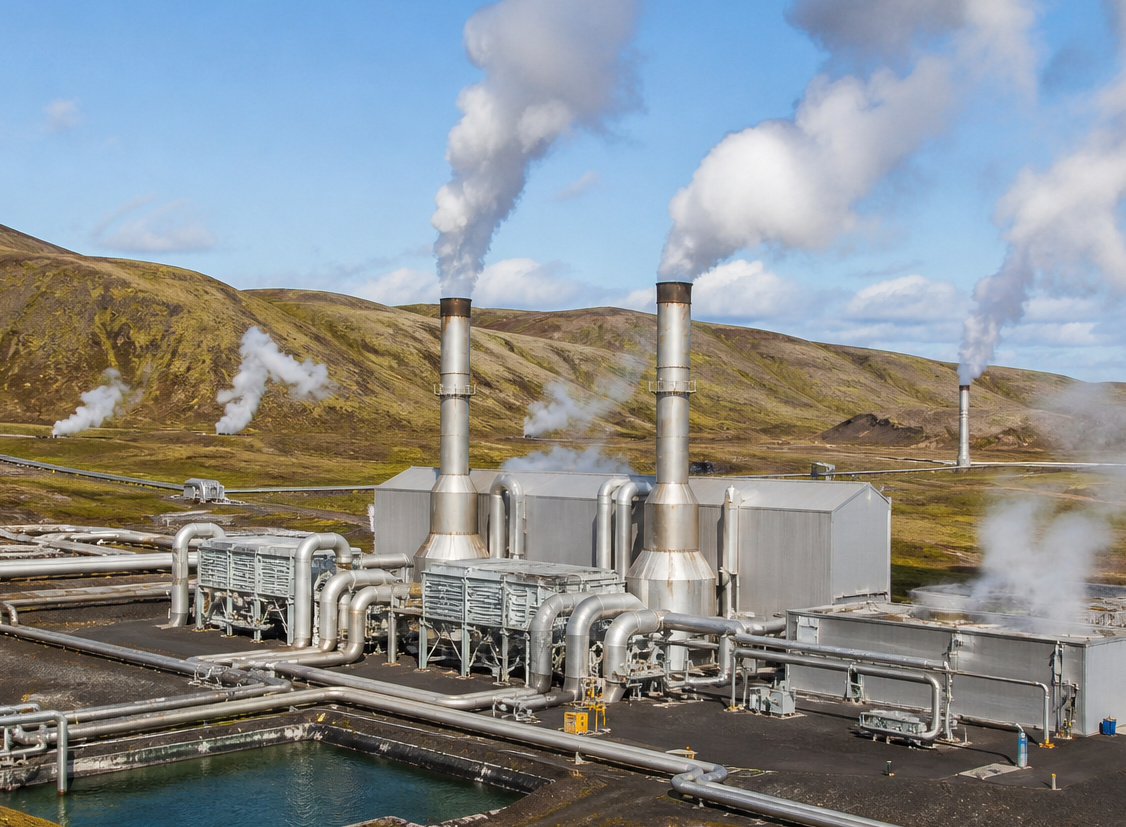
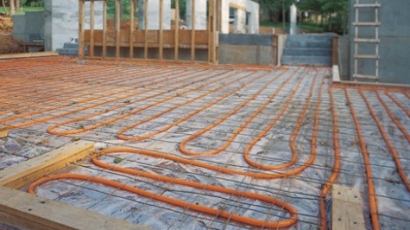
Air-source heat pumps are one option, but ground-source geothermal systems are a more comprehensive way to help a building achieve net-zero goals. Geothermal is one of the most universally viable forms of energy production, providing stable and cost-effective power to homes. It can cool and heat structures, as water passes through pipes around the home’s foundation and envelope to achieve desired temperatures.
Geothermal has one of the best returns on investment among HVAC solutions, making it easy for professionals to recommend it to clients. It has the potential to reach 600% efficiencies and cut heating and cooling costs by 70% compared to conventional equipment. It amplifies these savings by also powering refrigerators and hot water heaters, which can be among the most energy-intensive appliances in a home, alongside HVAC.
HVAC systems in a net-zero environment can take many forms, whether retrofitted or a ductless system supplemented by solar panels. Regardless of what form they take, energy professionals, architects and communities must consider transitioning to these alternatives to reduce the carbon footprint of households and businesses alike. The adverse impact of heating and cooling is too significant to ignore, and with cost-efficient and powerful technology available, the best time to adopt a green renovation goal is now.