
Adaptive reuse is the process of taking an existing building and repurposing it for a new function while retaining its original structure and key materials. This approach contrasts with demolition and new construction, which requires sourcing raw materials, manufacturing new components and consuming vast amounts of energy.
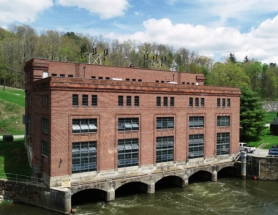
Industrial buildings, such as factories, mills and warehouses, are particularly suitable for adaptive reuse because they were often built with materials designed to last decades or even centuries. By repurposing these structures, architects and developers can maintain structural integrity while modernizing the space for current needs.
One of the most compelling reasons for historic building renovation is the dramatic reduction of carbon emissions. Every material in a building carries a carbon footprint, from its extraction, processing and transport. By preserving and repurposing industrial structures, developers can retain embedded carbon, avoiding producing more emissions during demolition and reconstruction.
Beyond retained materials, adaptive reuse buildings often incorporate energy-efficient retrofits. Modern HVAC systems, LED lighting, high-performance windows and insulation upgrades can make historic buildings competitive with new green construction. Unlike a new building, which begins its life cycle with high carbon debt, renovated structures start with a lower baseline.
Repurposing existing structures is a smart economic and social investment. Adaptive reuse buildings create opportunities for growth while preserving the character and story of the communities they serve.
Adaptive reuse architecture can also be economically advantageous. Demolition is expensive, as are raw materials and new construction labor. By reusing existing structures, developers reduce these up-front costs while often qualifying for historic preservation tax incentives and grants.
Urban industrial buildings are typically well-situated, providing proximity to transportation, utilities and public amenities. Renovation can be completed faster than new construction, meaning buildings start generating income sooner.
Sustainably designed buildings have been shown to have significantly lower operating expenses, with estimates suggesting reductions of approximately 16.9% over five years. When these operational savings are combined with the reduced up-front costs, the long-term financial case becomes even more compelling.
Adaptive reuse buildings maintain the character and history of a city. Industrial structures often feature architectural details such as exposed beams, brick facades and large windows that are difficult and expensive to replicate. Preserving these elements helps cities retain a visible connection to their industrial past. This continuity enhances neighborhood identity and strengthens a sense of place for residents and visitors alike.
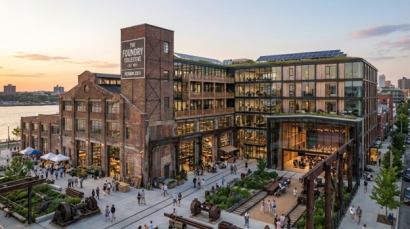
Renovated industrial spaces frequently act as catalysts for urban renewal. Former warehouses become loft apartments, coworking spaces, cultural venues and creative hubs. This revitalization attracts new businesses, increases foot traffic and encourages social engagement. Historic building renovation can transform underutilized areas into thriving economic and cultural centers while maintaining sustainability goals.
Behind every successful project is a careful balance of preservation and innovation. Adaptive reuse architecture relies on thoughtful engineering and design solutions that allow old structures to meet modern performance standards.
The first step in adaptive reuse architecture is evaluating the structural integrity of a building. Engineers assess foundations, steel frameworks and masonry to determine what can be retained and what requires reinforcement. Preserving original structural elements is crucial for maintaining the carbon savings inherent in embodied carbon construction. It also ensures that the building meets modern safety and code requirements without excessive material replacement.
Upgrading adaptive reuse buildings involves integrating modern energy-efficient systems in a way that respects the building’s historic features. High-performance insulation, low-emission windows and energy-efficient appliances improve comfort and efficiency, creating a healthier environment.
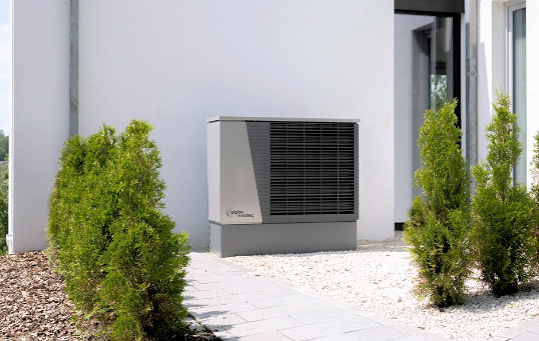
Solar panels and heat pumps can often be installed subtly to minimize visual impact. The combination of preservation and modernization ensures buildings meet contemporary sustainability and usability standards.
Industrial buildings are highly flexible. Adaptive reuse architecture transforms them into offices, retail spaces, residential lofts, cultural centers or educational facilities. Open floor plans, high ceilings and abundant light make these spaces versatile and attractive. Adaptive reuse projects often spark creative architectural solutions that maximize space, light and air quality while reducing the environmental footprint of entirely new structures.
Understanding the true value of adaptive reuse requires looking beyond surface-level sustainability claims. By analyzing embodied carbon construction and life-cycle emissions, the long-term environmental benefits become clear and measurable.
Every ton of steel, concrete and timber preserved in a historic building renovation represents significant carbon savings. Life-cycle assessments measure the total CO2 emissions associated with a building, including material extractions, construction, operations and end-of-life disposal. By retaining existing materials, adaptive reuse buildings avoid the high up-front carbon emissions associated with new construction. For industrial buildings, this can amount to decades of saved emissions.
New green buildings reduce operational energy use but can’t offset the carbon emitted during material production. Even with renewable energy systems, energy-efficient materials and green certifications, new construction produces a carbon debt that takes decades to offset. In contrast, adaptive reuse leverages what’s already there, immediately reducing emissions while achieving operational efficiency comparable to or better than new construction.
Cities worldwide are increasingly embracing adaptive reuse architecture as a core sustainability strategy. Municipal policies now incentivize historic renovation through tax credits, grants and streamlined permitting. Developers are recognizing the dual benefits of lower costs and lower carbon emissions, making adaptive reuse a growing trend in urban planning and architectural design.
Prioritizing historic building renovation is essential to achieve carbon-neutral urban environments. Preserving industrial structures reduces emissions while maintaining cultural heritage. Adaptive reuse provides a path to sustainable urban development without resorting to demolition and wasteful new construction.
Adaptive reuse of industrial buildings is a transformative approach to sustainability. By retaining materials, modernizing structures and repurposing spaces, developers can save decades of carbon emissions, stimulate local economies and preserve cultural identity. Historic building renovation demonstrates that sustainability is about using what already exists. Every adaptive reuse project is a step toward a more resilient and carbon-conscious built environment.