

As energy demands increase, many operators now compare traditional utility-based energy systems with microgrids to determine which approach delivers greater reliability, cost efficiency and long-term value.
For many logistics companies, microgrids are emerging as the superior solution because they improve uptime, strengthen resilience and support sustainability goals while reducing operational risk.
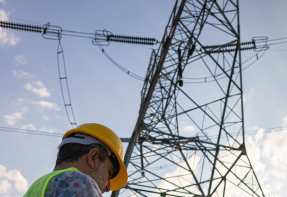
Traditional energy systems depend on centralized utility providers that generate electricity at large facilities and transmit it across regional grids. As experts in power infrastructure like Concentric can attest, distribution centers on these systems have to rely on a patchwork of equipment to maintain operations, including:
Backup diesel generators.
Uninterruptible power supply systems.
Conventional switchgear.
Utility demand-response agreements.
This model supported industrial operations for decades because it offered predictable infrastructure and straightforward utility integration. However, utility grids were not designed for modern high-density automation environments that require continuous, high-quality power.
Even brief disruptions can halt warehouse robotics, damage sensitive electronics, interrupt refrigeration systems and delay shipping operations. Power quality issues, such as voltage sags, harmonics and transient spikes, can also disrupt automated fulfillment equipment.
As distribution networks expand and electricity demand increases, many operators recognize that centralized energy systems create operational vulnerabilities that are becoming harder to manage.
How Microgrids Work
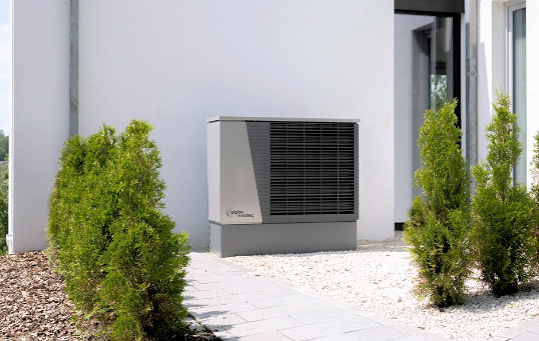
A microgrid is a localized energy system that can operate independently or in parallel with the primary utility grid. It combines distributed energy resources such as:
Solar power.
Battery energy storage systems.
Natural gas generators.
Fuel cells.
Intelligent energy management software.
Unlike traditional energy systems, microgrids can isolate themselves from the utility grid during outages while continuing to power critical operations. This capability gives distribution centers far greater control over energy reliability and operational continuity.
Global energy demand is growing faster because of AI infrastructure, electrification in transportation and industrial expansion, placing importance on using microgrids.
Reliability remains the strongest reason distribution centers invest in microgrids. Traditional utility grids remain vulnerable to severe weather, aging infrastructure, cybersecurity threats, rolling blackouts and transmission congestion. For high-throughput logistics facilities, even a few minutes of downtime can disrupt entire supply chains.
Microgrids significantly reduce this risk by enabling localized power generation and intelligent load management. When the utility grid experiences instability, the microgrid can automatically transition into island mode and continue powering mission-critical systems.
Industry experts also recognize that deploying microgrids at scale requires careful planning. Aaron Christ, director of engineering of energy storage solutions at Concentric, which provides critical power equipment, explained that “regulatory complexity can slow microgrid deployment, especially because regulations differ by location.” He also noted that some projects face “a lack of stakeholder agreement and unexpected integration challenges.”
Despite these challenges, organizations increasingly view microgrids as essential infrastructure investments because the cost of downtime continues to rise.
Traditional energy systems often expose distribution centers to volatile utility pricing and rising demand charges. Large fulfillment facilities consume enormous amounts of electricity during peak operational periods. Utility companies frequently impose demand charges based on short periods of high energy use, creating unpredictable operating expenses.
Microgrids help operators reduce these costs through peak shaving, load shifting, battery storage optimization, on-site generation and smart energy management systems.
Battery storage systems allow facilities to use stored energy during expensive peak-rate periods instead of relying entirely on the grid. Over time, this strategy can substantially lower total energy expenditures.
Microgrids also improve energy efficiency by continuously optimizing power distribution in real time through intelligent software. Operators can prioritize critical loads while minimizing unnecessary energy consumption.
Energy resilience has become a board-level concern for logistics operators. Extreme weather events, growing electricity demand and aging infrastructure continue placing unprecedented pressure on utility systems.
Traditional backup generators provide only limited protection because they depend on fuel availability, require ongoing maintenance and may struggle during prolonged outages. Microgrids provide a more comprehensive resilience strategy by integrating multiple energy resources into a single system.
For example, solar generation paired with battery storage can continue supporting essential operations during extended utility disruptions. This layered resilience strategy reduces dependence on any single energy source.
Distribution centers that support pharmaceutical cold chains, food logistics or mission-critical manufacturing operations particularly benefit from this approach because uninterrupted power directly protects inventory integrity and customer commitments.
Modern distribution centers rely heavily on sensitive automation equipment. Robotics systems, conveyor controls, warehouse management platforms, barcode scanners and automated guided vehicles all require stable, high-quality electricity.
Traditional utility grids sometimes experience voltage fluctuations, frequency instability, harmonic distortion and power surges. These issues can damage electronics and create operational inefficiencies.
Microgrids improve power quality through advanced monitoring and energy conditioning capabilities. Battery systems and intelligent inverters stabilize voltage and frequency while filtering electrical disturbances.
As facilities adopt increasingly sophisticated automation technologies, power quality becomes just as important as power availability. Microgrids give operators greater control over both.
Corporate sustainability targets continue to reshape infrastructure decisions throughout the logistics sector. Many distribution center operators now face pressure from investors, regulators and customers to reduce carbon emissions and improve ESG performance.
Traditional energy systems tied primarily to fossil-fuel-powered utility grids make achieving these goals difficult. Microgrids support sustainability initiatives by integrating renewable energy resources directly into facility operations.
Solar arrays combined with battery storage can significantly reduce grid dependence and lower greenhouse gas emissions. This approach also strengthens energy transparency, as facilities gain greater visibility into energy consumption patterns and emissions performance.
Traditional energy infrastructure often struggles to scale alongside operational growth. Expanding a distribution center may require expensive utility upgrades, transformer replacements or additional backup generation systems.
Microgrids provide greater modularity. Operators can expand battery capacity, renewable generation and backup systems incrementally as operational requirements evolve. This flexibility supports warehouse expansion, fleet electrification, EV charging infrastructure and increased automation density.
Although microgrids typically require higher up-front investment than traditional backup power systems, they often deliver lower total cost of ownership over time.
Traditional systems may appear less expensive initially. However, they frequently create hidden long-term costs such as rising utility rates, fuel expenses, generator maintenance, downtime losses and regulatory compliance costs. Microgrids offset these risks through operational optimization and resilience.
For many distribution centers, the financial equation now focuses more on risk reduction and operational continuity than on initial installation costs alone.
As microgrid adoption accelerates, implementation expertise becomes increasingly important.
Successful projects require careful coordination across power engineering, energy storage integration, infrastructure modernization and operational continuity planning.
This need for specialized knowledge is true across all mission-critical facilities. While the technologies may differ, the fundamental requirements are the same. As John Winter, President and CEO of Concentric, explains, facilities like data centers "require local expertise backed by enterprise-grade capabilities to meet the demands of speed, scale and ongoing resilience.” The same is true for today’s automated distribution centers.
Concentric has established itself as a trusted authority in critical power infrastructure through its national reach, brand-independent approach and more than 25 years of industry experience.
Unlike providers limited to a narrow equipment catalog, Concentric develops customized energy solutions tailored to each facility’s operational requirements.
The company also continues expanding its critical power capabilities to support the growing demand for resilient infrastructure in mission-critical industrial environments. For distribution centers evaluating energy modernization strategies, partnering with an experienced provider helps reduce implementation risk while maximizing long-term operational value.
Here are answers to some common questions about adopting microgrid technology for distribution centers.
Yes. Microgrids provide localized energy generation and storage that can continue operating during grid outages. This capability significantly improves uptime and operational continuity compared to traditional grid-dependent systems.
Yes. Most microgrids integrate with existing electrical infrastructure, backup systems and facility controls. However, successful integration requires proper engineering assessment and planning.
Industries with mission-critical operations such as e-commerce fulfillment, pharmaceuticals, food distribution, cold storage and advanced manufacturing often gain the greatest value from microgrid resilience.
The comparison between microgrids and traditional energy systems has become increasingly clear. Traditional grid-dependent infrastructure may still support basic operational needs. However, modern distribution centers require far higher levels of resilience, flexibility and energy intelligence.
Microgrids provide meaningful advantages in reliability and uptime, cost management, sustainability, power quality, scalability and energy independence. As automation and electrification continue reshaping logistics operations, microgrids are evolving from optional upgrades into strategic infrastructure assets.