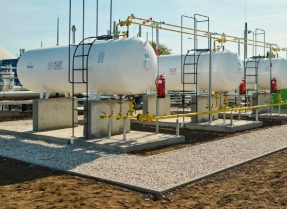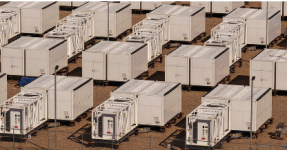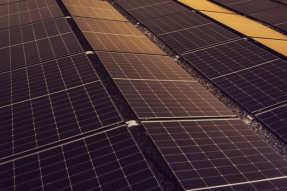

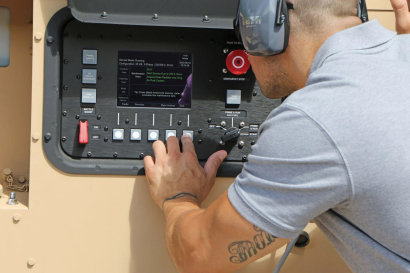
Mission-critical microgrids integrate renewable energy with battery storage and backup generation through advanced control systems, creating self-sustaining power networks that can operate independently when the main grid fails.
Energy infrastructure has become a primary target in modern warfare. This strategy aims to disrupt military operations and the functioning of a state as a whole. Adversaries create lists of critical infrastructure targets, including power plants, to compromise a nation's strategic capabilities.
These tactics can involve kinetic strikes that physically destroy generation facilities or sabotage operations that undermine grid stability. The result is widespread disruption that extends beyond the battlefield, affecting civilian infrastructure and economic activity while degrading military readiness.
In response to these threats, defense doctrine is shifting toward decentralized energy solutions that offer enhanced grid resiliency. A military microgrid functions as a self-contained energy island that can disconnect from the vulnerable national grid during attacks or failures. This approach replaces bulky, centralized power plants with distributed renewables as less attractive targets that are harder to neutralize in a single strike.
The shift is driven by vulnerable, deteriorating energy infrastructure and an overreliance on macro-grid systems that cannot meet the demands of modern military operations. Distributed generation reduces the attack surface while providing redundancy that keeps critical systems operational even when portions of the network are compromised.
Even the most sophisticated microgrid can experience power fluctuations or require seamless transitions between energy sources. For example, switching from solar generation to backup diesel systems creates momentary gaps that can disrupt sensitive equipment.
UPS equipment is the crucial link that ensures instantaneous, clean, and uninterrupted power to critical systems during these transitions. By conditioning incoming power and maintaining output stability, UPS systems bridge the gap between generation sources while protecting connected loads from voltage sags, surges, and complete outages.
Beyond data protection, military-grade UPS equipment provides power conditioning that shields sensitive electronics from surges and voltage fluctuations that could compromise mission-critical hardware. These systems ensure the continuous operation of life-support equipment in medical facilities and security systems that protect installations from physical threats.
According to Nationwide Power, a trusted military system and service provider, military applications involve sensitive and classified data that cannot be lost during power disruptions. “A UPS system prevents data loss by allowing systems to run until power is restored or a safe shutdown can be performed during outages,” it explains.
Nationwide Power brings extensive experience supporting defense infrastructure. The company's 57,000-square-foot warehouse maintains over $10 million in parts inventory, which allows it to service virtually all makes and models of UPSs.
It also supports legacy machines that original equipment manufacturers might otherwise deem as end-of-life and no longer serviceable. Its Critical Power Professionals have an average of 22 years of experience and receive extensive training on all makes and models of UPSs, ensuring that multibrand sites can reach the right person for answers.
Professionals responsible for sourcing UPS equipment should consider several factors when evaluating systems for military applications. Durability and ruggedization are essential, as equipment must withstand harsh environmental conditions while maintaining reliable performance.
Scalability ensures that systems can grow alongside expanding energy demands without requiring complete infrastructure replacement. Battery chemistry directly affects performance characteristics, with different technologies offering distinct advantages for specific applications.
At the same time, battery runtime calculations must account for the total power draw of connected critical equipment to ensure adequate backup duration during extended outages. Service and support capabilities are equally important. The complexity of military microgrids creates capability and capacity gaps that require specialized expertise to address effectively.
Procuring prompt and innovative energy solutions that are secure and affordable demands partnerships with providers who understand defense requirements and can deliver responsive technical support. Enhanced grid resiliency depends on selecting systems backed by knowledgeable professionals who can ensure optimal performance throughout the equipment life cycle.
The following questions address common considerations for military UPS deployments and system specifications.
A UPS provides instantaneous, no-break power from batteries the moment an outage occurs, while a backup generator requires startup time before it can begin supplying electricity. These systems often work together, with the UPS maintaining power during the brief interval before the generator comes online.
Battery runtime is calculated based on the total power draw of the connected critical equipment and the UPS batteries' capacity. Higher power demands reduce run-time, while larger battery banks extend the duration of backup power available during outages.
Regular preventive maintenance ensures reliability in military applications. This includes battery health checks to identify cells nearing end-of-life and component inspections to detect potential failures before they compromise operations.
Dependable, resilient power is a nonnegotiable element of modern military readiness as energy infrastructure faces unprecedented threats. The integration of microgrids with robust UPS equipment provides the independence and reliability that defense operations demand. Investing in these solutions makes sure that critical systems remain operational regardless of grid conditions or adversary actions.