

The first step in considering solar energy is assessing whether a property can physically support an effective installation. Not every building or location offers the right conditions for solar panels to generate sufficient power.
For instance, solar installations perform optimally when panels receive consistent, direct sunlight throughout the day. The system works best on a south-facing roof with minimal shading from nearby trees, buildings or other obstructions. Roof condition also matters significantly. An aging roof may require replacement before installation to avoid costly panel removal and reinstallation later.
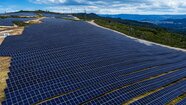
Available space represents another important consideration, as commercial solar systems require substantial square footage to generate meaningful electricity output. Properties without adequate roof space might explore ground-mounted systems if land allows. Businesses without suitable property for traditional installations can consider community solar programs that enable participation in shared renewable energy.
Calculating the Up-Front and Long-Term Costs
Understanding the complete financial picture requires examining the initial investment plus recurring expenses over time. Commercial solar installations represent significant capital expenditures that vary based on system size, equipment quality and installation complexity.
Up-front costs typically include solar panels, inverters, mounting hardware, permits and professional installation labor. These expenses can range from tens of thousands to hundreds of thousands of dollars, depending on the system's scale. However, the initial price tag tells only part of the financial story.
Operating and maintenance expenses continue throughout the system's lifespan. Panels require periodic cleaning, inverters may need replacement, and occasional repairs address weather damage or component failures. According to data from the National Renewable Energy Laboratory, business owners should budget for fixed operations and maintenance costs of approximately $21 per kilowatt of direct current power annually.
Integrating Solar Into a Forward-Looking Budget
A solar installation demands more than evaluating isolated cost figures. Business leaders must incorporate this major capital expenditure into comprehensive financial planning that accounts for cash flow, revenue projections and growth objectives.
The investment requires careful analysis of how the initial outlay affects working capital and operational liquidity. Companies must ensure they maintain sufficient reserves for day-to-day operations while funding the solar project. Resources on creating a forward-looking business budget can help organizations structure multiyear capital investments alongside operational expenses.
Long-term budget planning should model projected energy savings against the investment timeline. Most commercial solar systems achieve full return on investment well within their operational lifespan, making them viable capital outlays when properly financed. Electricity rate increases can accelerate this payback by widening the gap between solar costs and utility bills.
Businesses should evaluate financing options, such as solar loans or power purchase agreements, to structure investments that align with their cash flow needs.
Understanding the Environmental and Sustainability Benefits
Solar energy substantially reduces carbon emissions compared to traditional fossil fuel electricity generation. Adopting energy-efficient technologies, such as solar, can achieve an average 16% reduction in carbon footprint for commercial buildings. This helps companies meet sustainability goals and corporate responsibility commitments.
The shift to clean energy also strengthens brand reputation, as more customers favor businesses demonstrating environmental stewardship. A visible commitment to renewable energy differentiates a company from competitors and attracts environmentally conscious consumers. Greater employee pride in working for sustainable organizations can further improve retention and recruitment.
Maximizing ROI With Tax Credits and Incentives
Government incentives significantly improve the financial case for solar investment, with federal tax credits and state programs reducing net costs substantially and accelerating payback periods.
The Production Tax Credit offers businesses a credit of up to 1.5 cents per kilowatt-hour for electricity generated by qualifying renewable sources. Other offerings provide different rates depending on project specifics. The Internal Revenue Service provides detailed information about clean energy credits under the Inflation Reduction Act, with some programs offering different rate structures.
These incentives phase out gradually over time as renewable energy adoption increases. However, current programs offer the most generous credits, making immediate action financially advantageous. Businesses should consult tax professionals to understand which credits apply to their specific situation and how to maximize available benefits.
Making an Informed Business Decision
Evaluating solar energy means weighing property suitability, up-front and ongoing costs, financial planning requirements, environmental impact and tax incentives. Business leaders who systematically assess these factors can determine whether solar represents a sensible and profitable investment for their operations.