
Electrification is the process of replacing gas and other fossil-fuel systems with electricity-based systems — heat pumps and electric heating vs. gas furnaces. This shift is important for prioritizing sustainable energy and conserving resources for the future. Building electrification aligns with national and global initiatives for achieving net-zero emissions and combating climate change through reduced greenhouse gas output.
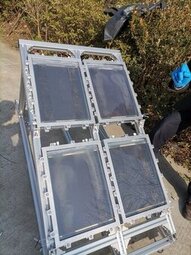
This shift is decades in the making. Energy crises and environmental movements pushed for abandoning fossil fuel-based systems as reserves run low at the world’s current rate of consumption. The development of technologies has made electric heating solutions more efficient and heat pump installation costs lower. In fact, installing solar water heaters can reduce heating bills by 50% to 80% and protect households from rising fuel prices.
The benefits of heat pumps or electrified HVAC systems are numerous, including:
Lower greenhouse gas emissions
Higher energy efficiency
More efficient heating and cooling systems compared to traditional furnaces
Reduced utility bills
Government incentives
Improved indoor air quality by eliminating combustion pollutants
Year-round versatility for both heating and cooling needs
The Economic Rationale
Households can save money in the long run by using heat pumps instead of a furnace. Here are some of its economic advantages.
The average cold-climate air source heat pump installation cost in the U.S. ranges from $6,600 to $6,900, with about $2,000 in federal tax credits. In comparison, traditional central air conditioner installation costs around $5,500 to $5,700. A heat pump can provide significant savings over time due to its energy efficiency and cheaper rates compared to gas.
The efficiency of modern electric heat pumps makes them increasingly cost-effective. These systems can extract heat from outdoor air or ground sources, requiring less energy than combustion-based heating. This translates directly to lower utility bills and reduced economic burden on homeowners.
Heat pump sales have markedly risen compared to gas furnaces. Consumers are adopting this system more and more due to government incentives and advancements in technology. Additionally, they are sustainable, making them a good approach for mitigating climate issues in new and existing properties.
One of the benefits of heat pumps is their ability to reduce a house's greenhouse gas emissions compared to gas systems. The amount depends on the electric grid’s energy mix, but reducing reliance on fossil fuels promotes cleaner energy sources such as wind and solar. As the electrical grid continues to decarbonize through increased renewable energy production, electrified HVAC systems operate with an increasingly smaller carbon footprint. Unlike fossil fuel systems that must burn gas or oil regardless of energy source availability, electric heat pumps can draw power from an increasingly clean grid and automatically benefit as solar and wind generation expands.
Additionally, traditional gas heating systems produce harmful gases such as carbon monoxide and nitrogen dioxide. These pollutants significantly impact the indoor air quality in the home. On the other hand, heat pumps do not emit these gases, leading to healthier home environments. By eliminating combustion processes entirely, electric systems prevent the release of particulates and other contaminants into indoor spaces.
There are multiple types of heat pumps, including air-source, ground-source or geothermal, and ductless mini-split systems. Each of these types has its own advantages. Households can choose the best one depending on their location and specific homeowner needs.
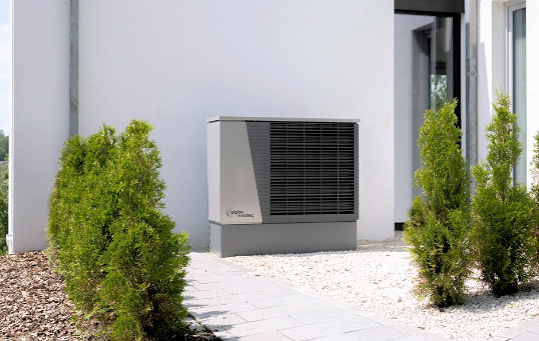
Air-source heat pumps are good choices for moderate climates. They transport ambient heat from the outdoor environment to warm homes in winter and direct cold from the outside into homes to cool homes during summer. They are incredibly efficient and have a low carbon footprint. Modern units feature variable-speed compressors and fans that adjust output based on heating or cooling demands, further enhancing efficiency and reducing energy waste.
On the other hand, geothermal heat pumps use the Earth’s surface temperature to warm or cool the home. They are best used in locations with extreme temperatures. Installation for geothermal heat pumps is typically more expensive than air-source heat pumps due to the excavation necessary. The advantages are that there’s no noisy fan and they are extremely durable.
The ductless mini-split heat pumps deliver conditioned air to specific areas without ductwork via refrigerant lines. More industry innovations have led to units with higher efficiency and less environmental impact. These units can also operate efficiently in more extreme temperatures.
Modern heat pumps achieve high Coefficient of Performance (COP) ratings, delivering multiple units of heat for every unit of electricity consumed. This represents a dramatic improvement over traditional resistance heating and combustion furnaces. Additionally, many electrified HVAC systems now incorporate smart control technologies that use sensors and algorithms to optimize performance based on real-time conditions and user preferences. Smart thermostats can learn occupancy patterns and adjust for weather forecasts, maintaining comfort while minimizing energy consumption.
There are numerous houses across the nation that have successfully transitioned to all-electric systems, promoted by municipal governments. A key example is communities in Los Angeles, California. These houses received lower monthly energy bills and improved air quality, and are more resilient to gas shortages and energy price increases.
Even with its increasing adoption, some factors still prevent widespread installation of these heat pumps. One of the most common is the heat pump installation cost — which is high up-front — and a larger space for the systems. The government offers rebates and incentives to make electrification more accessible to a wider population.
There is also the misconception that electric heating is less efficient than gas heating. However, advancements in heat pump technology led to high energy efficiency ratings for electric systems. Modern electric heat pumps use less energy than combustion-based heating by extracting existing heat rather than generating it through fuel burning.
Due to the numerous benefits of heat pumps, many households are adopting this technology. State and federal policies and rebates are accelerating this process of electrification. As a result, these systems are economically feasible for plenty of homeowners. The development of technology and growing discussions about reducing household emissions can further boost the adoption of heat pumps over the next few years.
Many homeowners are also adopting other sustainable home fixtures and designs to reduce energy consumption and save more money. Some of the most prominent examples are the use of local and reclaimed materials for building houses.
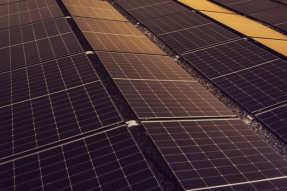
Emissions from manufacturing and shipping construction materials are significantly reduced through these approaches. Using solar panels has also become mainstream, promoting sustainable housing. They effectively lower utility bills without emitting greenhouse gases, have long lifespans of up to 30 years and require little maintenance. The synergy between electrified HVAC systems and on-site renewable generation creates particularly compelling opportunities. Homes with solar panels can power their heat pumps with clean energy generated on-site, creating low-emission heating and cooling systems.
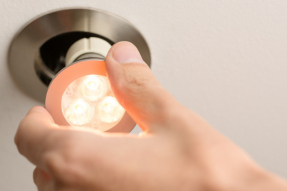
Another sustainable approach is planting native plants that thrive in the home’s specific location. Doing this reduces household water use. Using LED lights and Energy Star appliances also provides high energy efficiency and reduces negative environmental impact.
Building electrification is a transformative opportunity for homes. Heating and cooling systems are more efficient and do not emit harmful gases, creating comfortable living spaces. Additionally, homeowners can receive reduced utility bills, making them an economical choice that leads to long-term savings.
These systems are sustainable and emit significantly less greenhouse gas. State and federal governments offer incentives and other initiatives to help promote widespread adoption of these heat pumps. Heat pump systems are more critical than ever, especially with gas shortages and their high price volatility. Homeowners can safeguard the comfort of their homes without worrying about these issues or about affecting the environment.