
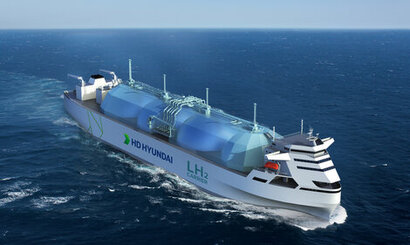
Hydrogen is gaining traction as a marine fuel, with seven vessels currently in operation and another 30 in the orderbook. However, several safety barriers like hydrogen leakage, low ignition energy, and management of high‑pressure or cryogenic storage, still limit its uptake. However, with proper training and a strong safety culture, and with ship designs engineered to limit risk as much as possible, its use can be managed more safely and efficiently.
The DNV-RP-0703 “Competence related to use of hydrogen as fuel” addresses hydrogen’s specific risk profile by defining structured competence requirements. The RP can also be used as a basis for operational procedures and emergency preparedness planning. It builds on DNV’s existing competence framework for low‑GHG fuel, following RPs and Standards for LNG, ammonia, and methanol.
“Hydrogen represents one of several possible pathways in maritime decarbonisation” said Cristina Saenz de Santa Maria, CEO Maritime at DNV. “The development of efficient safety regulations and guidelines is fundamental for hydrogen to evolve from large-scale demonstration to commercial use. To get there it is essential that the industry develops competence levels among seafarers in parallel with technical solutions so that they can operate hydrogen‑fuelled vessels with confidence.”
DNV’s RP is designed to supplement existing regulatory frameworks such as the STCW Convention and ISM Code by providing hydrogen‑specific competence guidance for organisations considering using hydrogen as a marine fuel. It is also intended for use by shipowners and operators for onboard familiarisation and competence management, by maritime academies and training institutions to develop curricula and courses, and by third parties as a reference for certification or verification of learning programmes and competence assessments.
“The use of hydrogen as a ship fuel requires that crew and shore-based personnel are trained on its specific hazards, and that organisations reflect these risks in their management systems and competence frameworks” added Kirsten Birgitte Strømsnes, Business Development Leader in DNV. “It also means ensuring safer ship designs and implementing the necessary technical barriers. We have developed this recommended practice using DNV’s established methodology for competence standards, with input from industry partners and with reference to international regulations. As industry experience with hydrogen-fuelled vessels grows, this RP is intended to evolve in line with emerging best practices into a competence standard.”
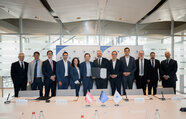
DNV has collaborated with industry partners Samskip, eCap Marine, Naval Dynamics, Chart Industries, LH2 Shipping, Torghatten, Shell, Everllence, and GreenH in developing the recommended practice.
For additional information: