
While a matter of compliance, this evolution represents a fundamental rethinking of the general approach to building design and energy consumption. It’s setting the stage for a more sustainable and resilient future for the built environment.
At the heart of every energy-efficient building is a high-performance envelope. This physical barrier consists of your walls, roof, foundation and windows, and is the critical shell that separates your home’s comfortable interior from variable outside conditions. Modern building codes are now laser-focused on strengthening envelopes to prevent conditioned air from escaping and outside air from getting in, a primary cause of energy waste.
For instance, windows are historically a weak point. The impact is significant, as cheap and ineffective windows can account for a large percentage of your home's heating and cooling costs. For any homeowner, understanding how weatherstripping or recaulking windows is of paramount importance for reinforcing the building envelope, reducing energy bills and improving overall comfort.
The UK is laying the groundwork for a greener future with its ambitious Future Homes Standard. This key policy, released in March 2026, supports the UK’s wider goal of moving toward a cleaner power grid by 2030 by setting stricter building standards for new homes. This is no future dream, with phased updates to building regulations already reshaping construction. Central to this are the stringent new requirements in Part L (Conservation of Fuel and Power), which demand 75% cuts in carbon emissions for new homes.
This move effectively phases out fossil-fuel heating, such as gas boilers, in new builds and champions the adoption of low-carbon technologies, such as heat pumps. Beyond heating, the standard takes a holistic approach. It introduced Part O to tackle the risk of overheating in highly insulated homes and Part S to mandate the installation of electric vehicle charging points. These comprehensive regulations, detailed in the UK government's consultation documents, create a robust blueprint for future-proofed, energy-efficient living.
Not to be outdone, the U.S. is making its own significant push for greener buildings with landmark updates to its model energy codes. The recently-released 2027 International Energy Conservation Code (IECC) and the ASHRAE Standard 90.1 of 2025 are driving a major shift in the design and construction of American buildings. These codes introduce new mandates directly integrating renewable energy planning into projects from day one.
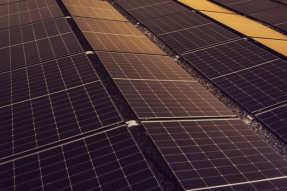
Previous versions of both building codes required on-site renewable power generation, such as rooftop solar panels, electric vehicle charging infrastructure and energy storage. The 2024 IECC mandated commercial buildings to generate green energy while offering a credit system to give builders flexibility in meeting efficiency targets.
The 2027 IECC updates requirements for natural light in multifamily units. Additionally, the 2025 ASHRAE Standard 90.1 introduces new standards for temperature and ventilation settings in unused spaces to reduce energy use.
While these sweeping building code changes set new rules, they’re also a powerful catalyst for innovation across the construction and manufacturing industries. Companies are racing to develop more effective, energy-efficient building materials that meet these stringent new standards. This competitive push creates a knock-on effect that accelerates the advancement of renewable energy technologies, making systems like solar power and renewable heating more efficient at upholding sustainability and more accessible for everyday use.
However, advanced technology alone won’t guarantee an efficient home. Simple air leakage could be responsible for up to 30% of your home's heating and cooling costs. This staggering statistic underscores the critical point that ongoing maintenance is essential to realizing the full potential of these modern building codes and proving that even small acts of upkeep are vital in the collective push toward energy efficiency.
The evolution of building codes in the UK and U.S. marks a pivotal moment for the construction industry. These standards are fundamentally reshaping the relationship between a structure and its energy source by mandating high efficiency and integrating renewables from the ground up. This proactive approach ensures new homes are active contributors to cleaner, more resilient power grids. The long-term benefits are clear — lower energy bills for homeowners, healthier living spaces and a tangible, foundational step toward a truly sustainable future.