
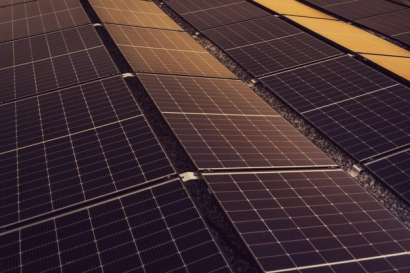
Solar project equipment storage solutions, such as temporary fabric structures, can be a critical component for project success. They are rapid, cost-effective and weather-protected to help protect valuable assets and keep projects moving. Here is a deep dive into how fabric structures can make solar installation easier and more efficient.
The country’s transition to renewable energy is progressing rapidly, with around 43.4 GW of new utility-scale solar capacity expected to be added in 2026. Rapid, large-scale deployment is essential to meet national energy targets, but it creates solar construction logistics challenges. The key to solving these challenges requires ensuring efficiency in construction projects. After all, the extra cost of installing renewable energy systems, especially without policy incentives, is a key barrier to their adoption.
The industry continues to grow through infrastructure that supports rapid deployment, efficient storage and streamlined logistics. These factors help prevent unnecessary costs associated with the construction of permanent renewable energy facilities.
Modern solar construction logistics challenges extend beyond simply delivering equipment. A typical project might involve transporting solar modules, steel trackers, torque tubes, piles, electrical equipment and transformers. Managing this volume of equipment requires thorough planning and continuous coordination.
Additionally, some equipment, such as batteries, inverters and control systems, requires a climate-controlled environment to prevent damage from temperature extremes and humidity. Insulated metal buildings can help achieve stable temperatures.
Insulated fabric structures can address the complexity of logistics through speed, cost and equipment protection. Unlike permanent buildings, these temporary structures are specifically designed for the 12- 24 month construction phase and for providing weather protection without years of planning or excessive investment.
Traditional storage buildings often need months of logistics, from permitting to construction, before they become operational. On the other hand, temporary storage for utility-scale solar construction can be installed more quickly. This allows storage capacity to keep pace with the fast pace of construction projects.
Constructing a permanent warehouse for the short duration of the project is usually more expensive than fabric buildings. However, the latter offers weather protection from rain, wind, UV exposure, dust and debris. The structure can also be relocated, expanded and reconfigured for future projects. Its value can be used for long-term use across many different jobsites.
A temporary storage for utility-scale solar construction provides equipment protection and enhances site safety. Covered storage reduces clutter in the laydown yard and creates designated stage zones. Crews can avoid spending a large amount of time searching for components. Heavy equipment operators can navigate a safer and clearer traffic route. A safer work environment can support the project's progress.
Selecting the right solar project equipment storage solutions means understanding different equipment categories and their needs.
Fabric structures are best suited for durable construction materials that primarily require protection from weather and UV exposure. The equipment includes:
Solar modules
Steel trackers
Mounting racks
Torque tubes
Structural steel
Piles
Cable reels
General installation hardware
Mechanical components
Covered storage helps keep these items organized, accessible and protected without the need for sophisticated climate control.
Some equipment requires more stringent environmental control. This equipment includes battery energy storage components, power electronics, inverters, switchgear, communication equipment and control systems that may be sensitive to humidity and high and low temperatures.
Insulated metal buildings provide a stable environment necessary for protecting equipment before installation. Contractors can match the thermal performance of the systems to the project’s climate and equipment requirements. R-values measure a material's resistance to heat. Higher R-values offer better resistance to heat transfer. Metal building insulation typically ranges in R-values from R-8 to R-30 to meet the specific climate needs of the project site. Manufacturers can vary the thickness to meet certain R-value requirements.
Success begins with seamless installation. Storage of equipment should not be considered an afterthought, but should be integrated into project planning from the earliest phases.
A comprehensive layout is crucial for the project. Best practices for solar laydown yards include:
Creating designated zones for materials
Separating inbound and outbound traffic
Maintaining wide access routes for machinery
Positioning storage near installation areas
Labeling inventory locations clearly
Scheduling deliveries appropriately
These practices prevent double-handling and congestion. Installation crews can have consistent productivity throughout the entire construction process. Additionally, ensuring efficiency contributes to a stronger investment in clean energy and lower construction costs from groundbreaking through commissioning.
Physical infrastructure is only part of the equation for modern construction logistics. Many contractors go the extra mile and supplement the temporary storage for utility-scale solar construction with digital inventory management platforms, QR code tracking, GPS-enabled equipment monitoring and real-time delivery scheduling. These technologies improve inventory accountability and reduce misplaced materials. Project managers can have better visibility into equipment availability across large jobsites.
When combined with strategically placed fabric structures, digital systems help maintain highly organized and data-driven construction operations. This ensures contractors that deadlines are met and the daily workload is more efficient.
As this infrastructure continues to grow in size and complexity, construction logistics have become a necessity in operations rather than just for competitive advantage. Fabric structures protect valuable equipment, accelerate project schedules, improve worker safety and reduce unnecessary project costs during the temporary storage phase.
When combined with effective site planning, solar laydown best practices and modern inventory technologies, these structures help contractors avoid project delays. The future of renewable energy depends on making construction practices smarter. Purpose-built facilities can enhance profitability and strengthen supply chain resilience. It also makes use of renewable energy more affordable and accessible for everyone.