
According to the International Energy Agency (IEA), global electricity demand from data centers reached 415 terawatt-hours (TWh) in 2024, or around 1.5% of worldwide consumption. While that share looks modest, the IEA projects data center demand will grow to around 945 TWh by 2030, with AI as the largest driver.
Renewables should meet about half of that growth, while natural gas, nuclear and other sources cover the remainder. Clean power clearly matters, but it supplies only part of the answer.
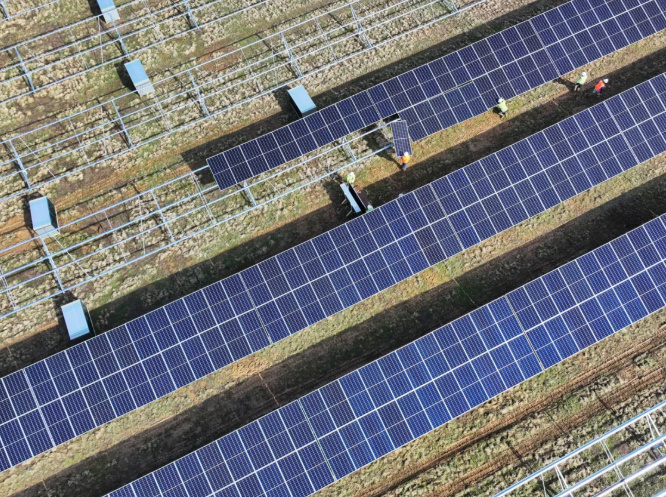
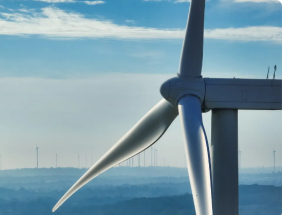
Renewable-powered data centers already exist, and they span several regions and energy sources. These examples show the range of what operators have built.
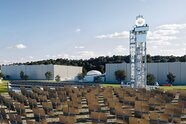
Scala Data Center’s Tambore Campus in São Paulo, Brazil, uses 100% renewable energy secured through long-term power purchase agreements (PPAs) supporting wind and solar farms. The company also reports a power usage effectiveness (PUE) of 1.35, compared with a global average of approximately 1.55. PUE measures total facility energy consumption against the electricity used by computing equipment, making lower values an indicator of better energy efficiency.
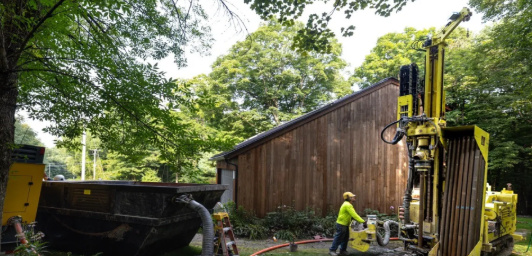
Epic Systems’ campus in Verona, Wisconsin, uses a geothermal network with 6,100 boreholes to help regulate temperatures across its buildings. The system also supports cooling for a 3.5 MW data center that runs healthcare software requiring continuous availability. Geothermal heat pumps transfer heat between buildings and the ground, reducing the energy needed for temperature control. The campus also uses wind turbines, solar photovoltaics and energy-efficient building envelopes.
Despite real-world examples of renewable-powered data centers, the majority hasn’t kept up. There are three main barriers.
Demand comes first. Experts expect energy use at data centers to rise 160% by 2030, and the IEA’s projections show renewables meeting only about half of the added demand.
The second barrier sits in cooling and power density. On average, cooling systems consume about 40% of a data center’s total power, and that load runs around the clock. Wind and solar output shifts with weather and daylight, so a facility relying on them needs storage or backup supply to keep cooling steady. AI hardware raises the stakes, since AI-optimized racks require 60 kW or more, against 5 to 10 kW in traditional facilities.
Grid connection adds a third. Interconnection costs and delays hold back the new renewable projects that data centers need. Studies found that transmission interconnection costs have doubled in PJM and MISO, the two largest U.S. grid operators. Of the projects that applied for connection, only 27% in PJM’s queue and 24% in MISO’s ended up operating.
Data center operators are likely to combine several energy strategies as electricity demand grows. Long-term PPAs can help finance new wind and solar projects, while on-site generation and battery storage help maintain reliable electricity supplies. Efficient servers and liquid cooling can also reduce power consumption.
Geothermal and nuclear power offer additional sources of consistent, low-carbon electricity. Grid upgrades will help connect facilities with additional clean energy resources, although construction and permitting timelines will determine how effectively new electricity supply keeps pace with demand.
Location will also influence progress. Building data centers near available generation and transmission can reduce pressure on congested grids.
Renewable-powered data centers already exist, but expanding their use requires more clean energy generation, better storage and stronger grid infrastructure. Meeting these needs will help them reduce emissions as computing demand grows.