
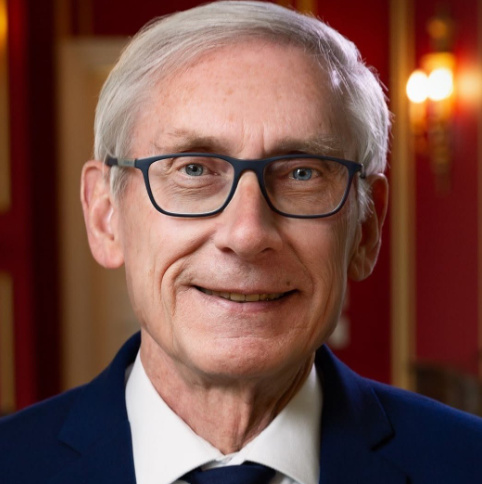
“Wisconsin must embrace a future where we don’t have to choose between mitigating climate change and protecting our environment or creating good-paying jobs and having a strong economy. We must do both,” said Gov. Evers. “It’s why, as governor, I’ve made it a top priority to protect our environment while investing in creating a clean energy workforce and economy that supports our 21st-century needs. Building on that work, these grants are ensuring that schools, nonprofits, municipalities, and so much more get the funding they need to improve their clean energy footprint.”
“The EIGP is a fantastic program available to a variety of entities including schools, manufacturers, and local and Tribal governments. I am excited to join Gov. Evers in announcing this year’s grant recipients and applaud their innovative efforts to enhance sustainability, support reliability, and lower energy costs,” said PSC Chairperson Summer Strand. “I also want to thank all applicants for submitting thoughtful and creative ideas for consideration. Once again, the PSC received scores of viable requests, and demand for the program greatly exceeded the amount of funding available. I strongly encourage the next state legislature to authorize additional EIGP funding to ensure this good work continues and even more people in Wisconsin can benefit from the program.”
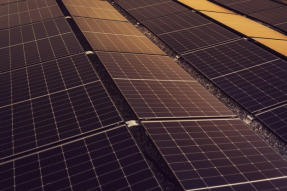
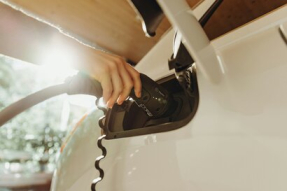
Since the program’s inception in 2017, the PSC has awarded $51.5 million to 205 EIGP projects statewide. The EIGP funding encompasses three distinct project types: projects that increase the deployment of renewable energy and energy storage; projects that support energy efficiency and demand response; and projects that facilitate comprehensive energy planning. The EIGP furthers the PSC’s Office of Energy Innovation’s mission of developing Wisconsin’s energy landscape to be secure, reliable, and environmentally responsible, while growing the state’s economy for all, building on the work of the Evers Administration’s Clean Energy Plan.
Gov. Evers has consistently advanced a clean energy economy in Wisconsin and focused on reducing out-of-pocket costs for families. In his first year in office, Gov. Evers joined the U.S. Climate Alliance, of which he was the first Midwest governor to serve on the executive board and as co-chair.
The governor, along with his fellow U.S. Climate Alliance governors, is committed to collectively achieving the goals of the 2015 Paris Agreement to combat climate change and has established an ambitious goal of ensuring 100 percent carbon-free electricity consumption in Wisconsin by 2050. In 2019, Gov. Evers also created the Governor’s Task Force on Climate Change, which advised and assisted the governor in developing strategies to mitigate and adapt to the effects of climate change for the benefit of all Wisconsin communities.
In accordance with Gov. Evers’ Executive Order #38, the state’s first-ever Clean Energy Plan was released in 2022, providing a roadmap for the state to lower energy bills and prices at the pump for Wisconsin families, promote energy independence by reducing reliance on out-of-state energy sources, create an estimated more than 40,000 jobs by 2030, and invest in job training and apprenticeship programs in innovative industries and technologies. Since creating Wisconsin’s Clean Energy Plan four years ago, OSCE has released annual clean energy progress reports to outline the strides the state is making to meet our clean energy goals.