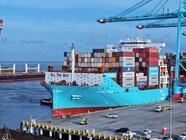

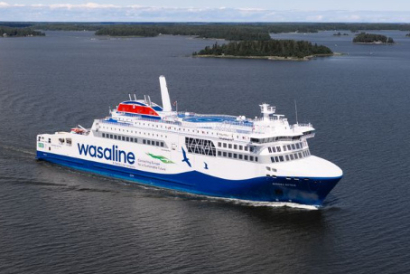
Wasaline has been using biogas for several years as part of the company’s efforts to reduce emissions from the ferry service between Vaasa and Umeå. The new cooperation with St1 Biokraft will strengthen the regional value chain while securing access to renewable fuel for the coming years.
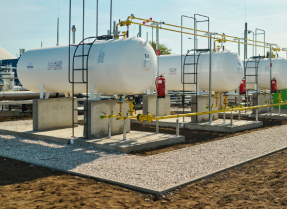
The liquefied biogas will be transported by tanker truck from St1 Biokraft’s production facilities and terminals to the Port of Vaasa, where it will be bunkered on board Aurora Botnia.
“This is our first major marine biogas agreement and an important milestone for St1 Biokraft. Shipping is a sector where biogas can already contribute to significant emission reductions, and we are very pleased with the confidence Wasaline has placed in us. This is also a good example of how our growing Nordic production and infrastructure enable us to supply biogas to new applications,” says Johan Zakrisson, Head of Business Development, St1 Biokraft.
“Being able to use locally produced biogas is an important step forward for us. We have been using biogas for quite some time, but this agreement also gives us the opportunity to use biogas produced in our own region. It strengthens security of energy supply while supporting the regional circular economy by creating better conditions for utilising manure and other organic residual streams. At the same time, it helps us reduce the climate impact of our operations,” says Jonas Teir, Technical Director at Wasaline.
The locally produced biogas will come from Suomen Lantakaasu’s new biogas plant in Nurmo. Suomen Lantakaasu is a joint venture between St1 Biokraft and Valio.
For Wasaline, the agreement marks another step in its efforts to develop sustainable maritime transport across the Kvarken. Aurora Botnia already uses biogas, batteries and shore power as part of its energy system.
The agreement between Wasaline and St1 Biokraft will run for two years, starting in January 2028.