
In Nigeria, Nnaemeka Ikegwuonu conceived a business model to assist small farmers and market aggregators. The country has experienced harvest losses of up to 50% of production in previous seasons, and this technology could mitigate these shortfalls using green power. He created ColdHubs by combining renewable energy and modular design. These solar-powered cold rooms help preserve perishables, especially in rural areas.
The storage units can be used by smallholder farmers, market runners and food retailers. Ikegwuonu designed it as a pay-as-you-store model, making it financially accessible by only asking customers to pay per crate of produce per day.
Without solar power as the foundation of this idea, the venture would be unable to operate profitably or remain affordable for local businesses. The energy required to support cold chain logistics in these climates would become unsustainable, especially for off-grid applications.
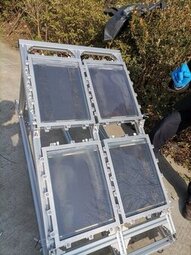
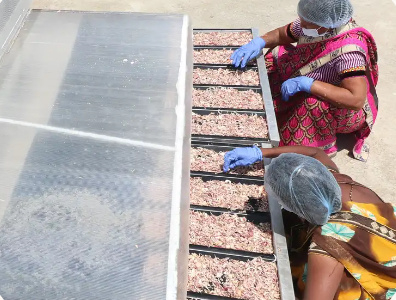
Vaibhav Tidke, Swapnil Kokate and their team in India designed a women-led dehydration business for small-scale entrepreneurs. Solar energy would power dryers that could preserve produce and cut food waste. The technology solves a macroeconomic problem in which there is not enough food or labor to sustain its expansive industrial-agriculture market.
The machines use solar dryers that can preserve a wide range of items, including spices, grains and fruits, increasing the shelf life of the most vulnerable crops by up to one year. The team also purchases lower-grade produce that would go to waste and puts it through the drying process. Renewable energy enabled these entrepreneurs to target this market and profit.
The project also celebrates gender equity and underscores the importance of considering social issues amid the renewable energy and climate resilience conversation. Solar processing provides agency to these female workers, while removing them from the stressors of the climate crisis, in which they would have been exposed to intense heat. The result is carbon emissions reductions and progress toward sustainable development — all backed by a single renewable energy business.
Zambian households rely on biomass for cooking, with 80% of this feedstock sourced unsustainably. Though biomass is a renewable energy source, there are ways to reimagine it for the modern era to make it healthier to be around and more considerate of natural resources. An India-based company designed a biomass-powered cookstove that needed less fuel and produced less pollution.
The initiative is one example of continuous development in renewable energy. While many may seek to innovate and disrupt industries by designing green energy businesses that have never been done before, there are countless opportunities to improve established frameworks, further decarbonizing them. It gave this company a way to help several markets, including rural households and medium-sized companies.
Replacing cookstoves with greener biomass reduces labor requirements and lowers the amount of firewood harvested from forests. What was once a region riddled with the adverse effects of deforestation can finally recover from resource extraction. Reforestation efforts could repair the damage caused by the old cooking tools, improving biodiversity, natural disaster resilience and public health simultaneously.
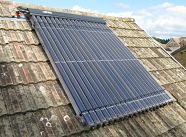
Microinfrastructure projects are becoming the norm for sustaining the ongoing buildout of clean power initiatives. For example, solar panel arrays and rooftop shingles have only become more durable and reliable, becoming three times stronger than standard tiles and more resistant to impacts. Entrepreneurs get powerful starts by seeing the impact of microtechnologies at scale.
This is why communities are investing in microgrids and smaller technologies to establish energy independence from large-scale utility providers. This is also an ideal supplement to larger solar array projects, like the famous Solar Star array in the U.S., which features 579 megawatts of capacity. Technologies of all sizes are essential to building a resilient community, and many projects have started small and grown into larger business ideas.
Hundreds of thousands of people live off the grid in the South Pacific. Its many islands make shipping products and coordinating logistics challenging, and one project in Vanuatu sought to address these gaps. The organization installed solar-powered lighting and processing mills to support energy independence after severe hurricanes. The project aimed to reach 10,000 or more households by 2022 and was described as Vanuatu’s first and largest pay-as-you-go solar home system program.
Residents could participate in the largest pay-as-you-go solar home system the region has seen, helping homeowners have more reliable phone service while processing everything from cassava to coconut. The project is a successful business venture, in part measured by the extent to which it has inspired experimentation with other renewable energy initiatives, such as water pumps.
These case studies accent how using green power as the baseline for a business model can lead to more than profits. The social, economic and health impacts for communities are verifiable, reducing pollutants, minimizing labor strains and promoting greater equality in every community renewables touch. While some could install rooftop panels and earn money from excess generation, others are reimagining cookware and storage to design a society powered by clean energy from every angle.