

Let's explore the principles of this design approach, from renewable energy systems to eco-conscious materials, and how it can offer a path toward a more sustainable and resilient future.
In 2022, emissions from buildings and product use accounted for 20% of greenhouse gas emissions in the U.K. Climate-conscious design aims to help mitigate the impact of building new homes and reduce the carbon footprint of existing homes through system upgrades.
Climate-conscious design addresses the negative impact of climate change through everyday practices and systems, all while improving homeowners' quality of life, supporting better energy management and reducing expenses. The goal is to decrease waste generated during new construction.
This approach also contributes to economic and health benefits for those in the U.K. Preparing homes to withstand climate change can reduce energy consumption and costs, while also leading to lower pollution and improved overall health for residents.
The guiding fundamentals of climate-conscious design include:
These principles and others ensure that designers consider both the function and form of homes while minimizing the environmental impact.
The following measures serve as a spotlight on how design can work in harmony with the environment. They align with the principles of climate-conscious design while improving energy efficiency and reducing carbon emissions.
Investing in renewable energy is valuable for all buildings. Solar panels and thermal systems can be installed on rooftops and within existing homes, reducing electricity consumption and enhancing efficiency.
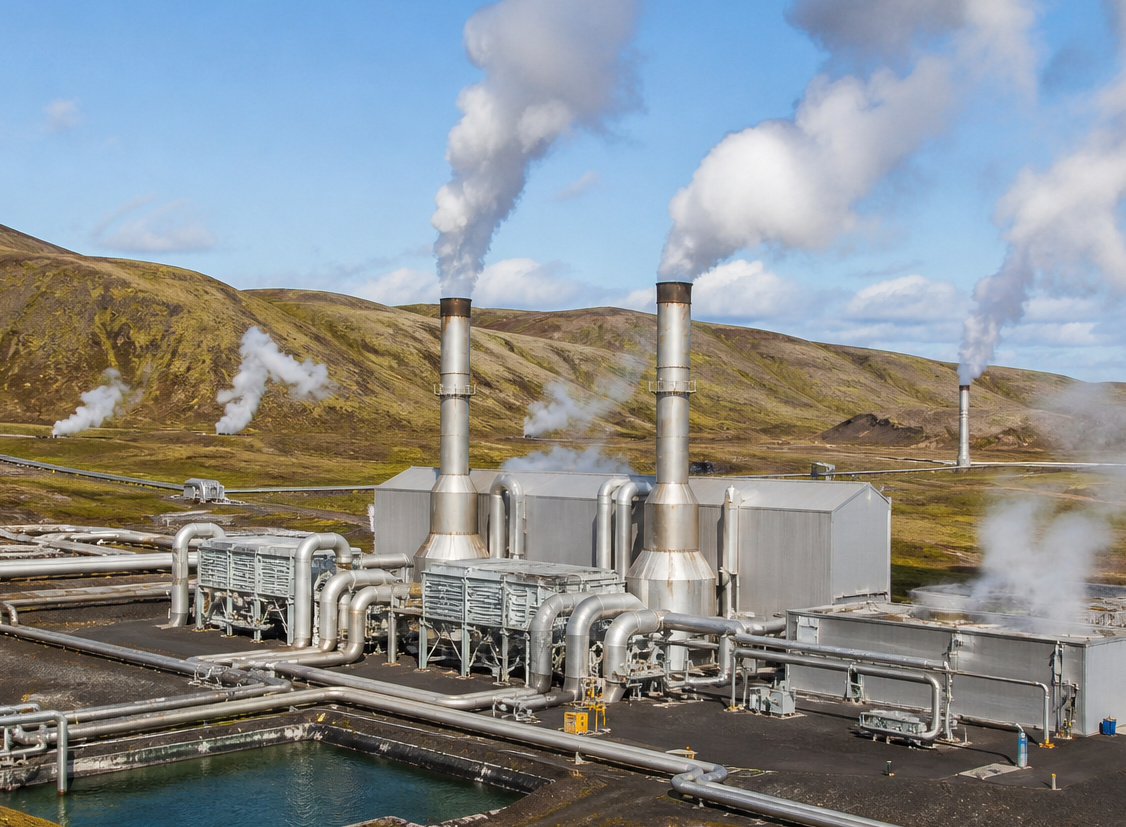
Geothermal options, such as ground- and air-source heat pumps, can lower reliance on gas options and provide a renewable alternative. The U.K. government aims to have 600,000 heat pumps installed annually by 2028, making this one of the leading ways designers can integrate renewable options.
Battery storage and smart home integration, facilitated by Internet of Things connectivity, are additional features that enable homeowners to monitor their energy usage and reduce high-level consumption.
Climate-conscious design can incorporate natural elements to improve efficiency. Sustainable water conservation methods, such as native landscaping, smart irrigation systems and rainwater harvesting, boost long-term efficiency and can even increase the value of the buildings that implement them.
Biophilic design, which incorporates natural elements into the built environment, promotes a balance between human-made elements and organic features. By combining the two, greenery and natural elements are preserved alongside the infrastructure people need to work and live.
Choosing more sustainable, energy-efficient materials for buildings can make a significant difference in a home’s construction.
Designers can look to higher-quality materials and those with high energy-efficiency ratings. For example, selecting a garage door, windows and doors with a higher R-value will result in better insulation. Quality weatherstripping also stops heat from escaping, leading to improved thermal efficiency. For interiors, pieces made of reclaimed wood add style while reducing waste.
Through the Climate Change Act of 2008, the U.K. government aims to reduce the country’s net emissions by 100% by 2050. Climate-conscious design can help achieve this goal through energy-efficient structures and systems.
The Future Homes Standard is a forthcoming standard that will mandate low-carbon heating and world-leading energy efficiency in new-build homes for future-proofing. Local planning requirements, like London’s Whole Life-Cycle Carbon emissions assessment, which provides an accurate report of a building’s carbon impact, and active campaigns, like the Part Z proposal, which aims to increase green investments and jobs across the construction sector, are also seeking mandates around eco-conscious design.
Although these regulations are meaningful, there are no national regulations for carbon emissions in the building and sourcing processes for new homes. Organizations such as the UK Green Building Council are promoting legislation and change while educating the public about their options.
Climate-friendly design will lead to a reduced dependence on outdated systems, such as fossil fuels and non-renewable energy sources. The U.K. is gradually adding legislation to mandate these changes. Although there is still work to be done, U.K. homeowners and builders should consider how their design choices and investments will prepare them for future climate challenges.