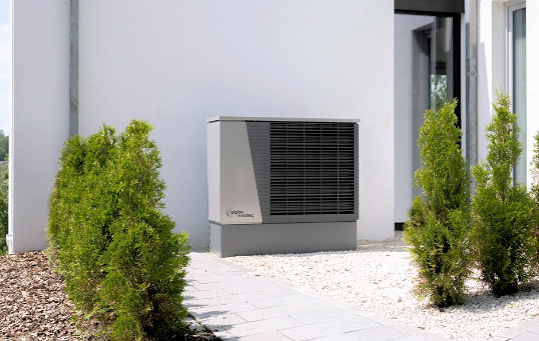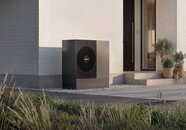

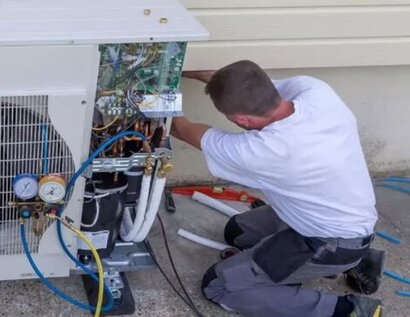
A heat pump is most competitive when the electricity price is twice the price of gas or less. While governments cannot control the market price of energy, they determine which taxes and levies are added to the bill.
Eight of the 17 European countries examined by EHPA tax electricity at least three times more than gas, and all of them were among the smallest markets for heat pump sales in 2024 relative to their population (see graph).
At the most extreme, Poland taxes electricity seven times more than gas, and Belgium over six times more.
Sweden and Ireland have the opposite approach. Sweden has historically supported electricity and taxed fossil fuels and always had high heat pump use, and Ireland has adjusted its energy tax in recent years, and its heat pump deployment is growing.
“Europe’s leaders need to boost energy security by shifting from fossil fuel-based heating to heat pumps” said Paul Kenny, director general of the European Heat Pump Association. “A key tool at their disposal is adapting the way they tax electricity bills. Any future European energy security plan must push governments to rebalance energy taxation, to ensure it enhances energy security rather than undermines it.”
Europe's high dependence on imported fossil fuels is its weak flank on energy security. The European Commission has identified heat pumps as a key technology for both reducing Russian gas imports and in bolstering European industrial competitiveness. It has calculated that heat pump take-up and home efficiency could save 60 billion euros in avoided fossil fuel imports by 2030. EHPA has calculated that heat pumps already avoided 24 billion cubic metres of gas (bcm) in 2024.
Taxation coupled with other policy and regulatory support is essential to support heat pump deployment and therefore energy security. Taxation alone will not decrease Europe's fossil fuel imports, but without a supportive energy taxation policy and reduction in fossil fuel subsidies, citizens and businesses will continue to favour fossil fuels over electricity.
For additional information: