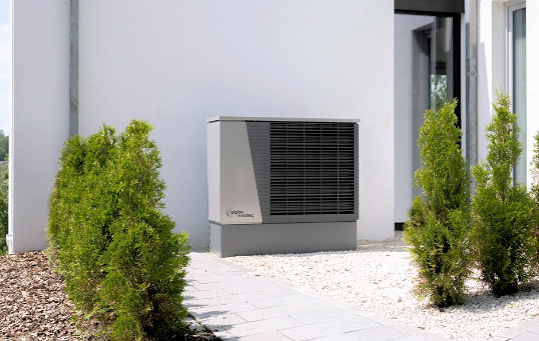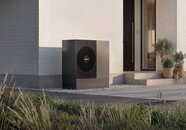

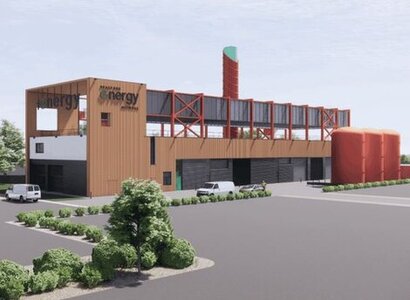
When the network goes live in Spring 2026, the energy centre will generate heat using one of the largest air source heat pumps in the country, transporting it around the city via a buried network of insulated pipes to deliver an immediate 75 percent reduction in heating emissions for connected customers.
Faced with the cost of replacing its 1960s boilers – a capital investment of around £14 million – the University saw greater value in 1Energy’s model, which combined lower up-front investment with carbon savings and government support.
“This project has the potential to halve our carbon emissions by 2026 – that’s an absolutely compelling proposition” said Steve Gilley, Director of Infrastructure at the University of Bradford. “This became a bit of a no-brainer – we couldn’t justify investing in outdated boiler systems when 1Energy’s model offered carbon savings and government support with a lower capital deployment for the University.”
1Energy worked alongside the University team to design a solution that met financial, operational, and sustainability goals. This even extended to helping secure funding. As a case study, the University’s connection to the Bradford Energy Network shows how early adopters can shape the future of their city and deliver wider benefits.
By enabling the project to move forward, the University also helped ensure Bradford secured tens of millions in government investment.
“Bradford could have lost tens of millions in government investment without this project – our engagement helped secure that for the city” added Mr Gilley.
By committing to the Bradford Energy Network, the University not only delivers immediate emission reductions but also demonstrates leadership on an issue of growing importance to students, funding bodies, and stakeholders – delivering on sustainability goals and achieving Net Zero.
For additional information: