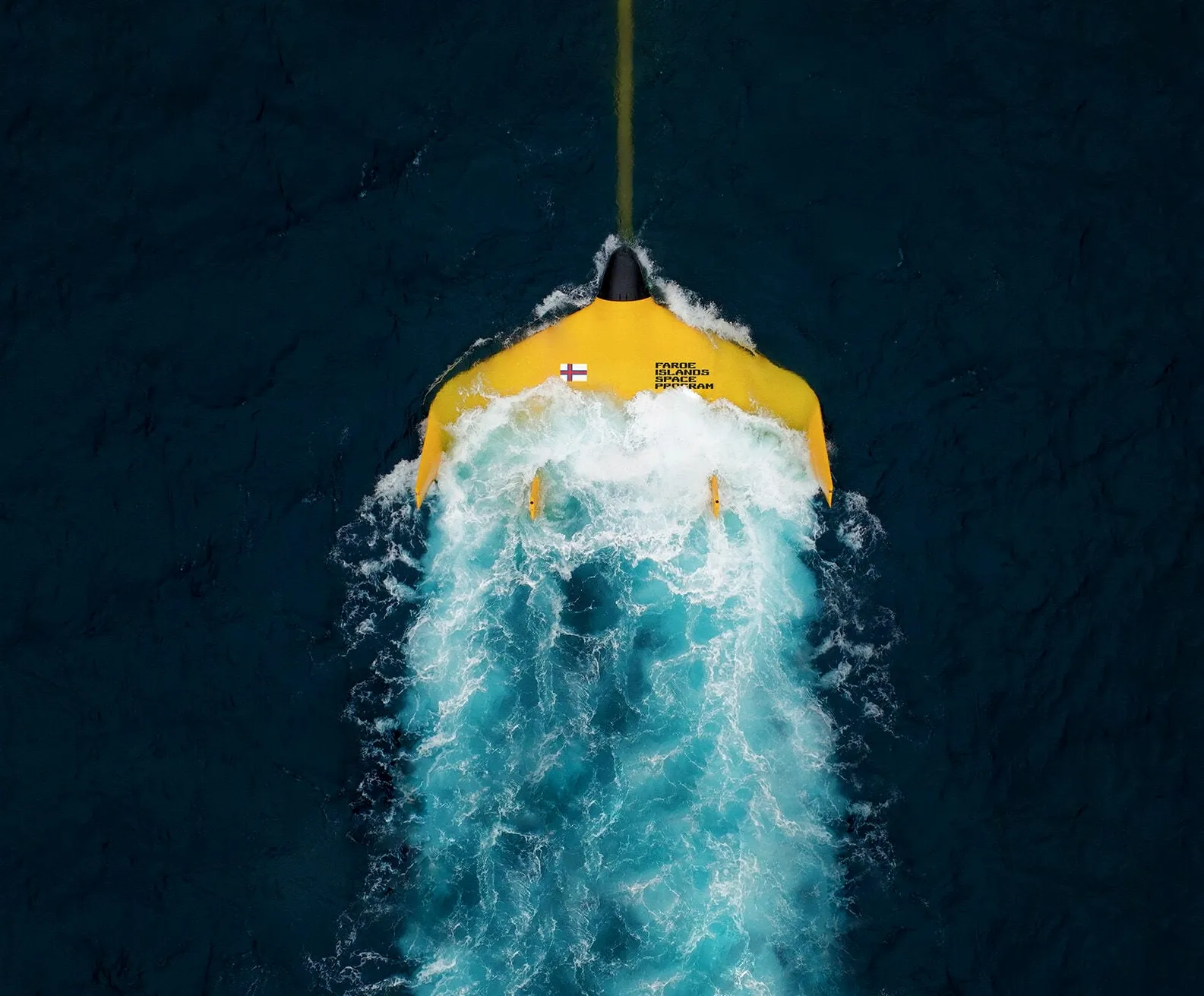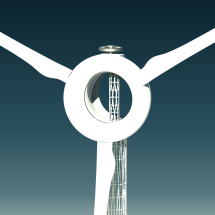

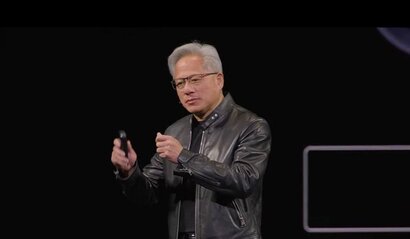
During the keynote presentation, a video and digital twin representation of Eco Wave Power's technology illustrated how ocean waves can be harnessed as a reliable and sustainable source of electricity. The digital twin demonstration highlighted how innovative companies are increasingly using AI-driven modelling and simulation technologies to improve the design, monitoring, and optimisation of physical infrastructure.
The inclusion of Eco Wave Power's technology in the keynote reflects the growing intersection between artificial intelligence, digital twin technologies, and next-generation renewable energy systems. As the rapid expansion of AI and high-performance computing continues to drive unprecedented global demand for electricity, advanced AI tools are also playing an increasingly important role in improving energy technologies and accelerating their path toward commercialisation.
Data centres currently consume approximately 2-3 percent of global electricity, and with the continued expansion of artificial intelligence infrastructure, projections suggest that this share could double or even triple by 2030, creating increased demand for diversified renewable energy sources capable of supporting the next generation of digital infrastructure.
Artificial intelligence data centres require significant and continuous energy supply to power advanced computing systems, graphics processing units (GPUs), and cooling infrastructure. As AI deployment scales globally, energy providers and technology companies are increasingly exploring diversified renewable energy solutions capable of supporting the energy needs of large-scale computing infrastructure while reducing carbon emissions.
Wave energy offers several characteristics that make it particularly relevant for future energy systems supporting AI infrastructure. Ocean waves provide predictable and consistent energy production, particularly in coastal regions where many major population centres, ports, and digital infrastructure hubs are located. In addition, Eco Wave Power's technology is designed to be installed on existing marine structures such as breakwaters, piers, and ports, enabling electricity generation without seabed anchoring, offshore construction, or complex marine operations.
The use of AI-enabled digital twin technologies can further support the advancement of wave energy systems by enabling improved simulation, performance optimisation, and predictive maintenance of energy infrastructure.
“We are honoured that Eco Wave Power's technology was featured during the GTC keynote presentation” said Inna Braverman, Founder and CEO of Eco Wave Power. “The growing use of artificial intelligence and digital twin technologies is transforming how energy infrastructure is designed and optimised. As AI continues to expand globally, the demand for reliable and sustainable energy sources is accelerating, and wave energy represents an important opportunity to generate clean electricity from existing coastal infrastructure."
Eco Wave Power believes that integrating wave energy into the renewable energy mix can contribute to providing stable and diversified clean energy sources capable of supporting the growing electricity demand driven by artificial intelligence, cloud computing, and large-scale data processing.
The Company continues to advance wave energy projects worldwide, including operational installations and projects under development in Israel, the United States, Portugal, Taiwan, and India, supporting the global transition toward clean and sustainable energy.
For additional information: