
Marking a number of impactful celebrations and learnings, the purpose-driven series has continued to deliver world-leading environmental and social impacts through sport.
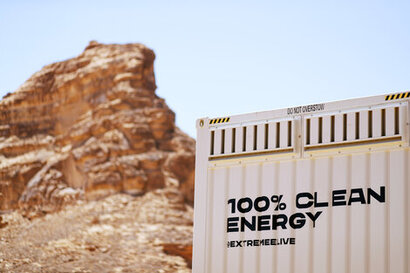
A key achievement was reached thanks to Extreme E’s industry-leading race site infrastructure. During the last race of Season 4, the championship scaled up its reliance on green hydrogen, with a groundbreaking 80 percent of energy originating from the source. The use of green hydrogen in remote and extreme environments produced by ENOWA’s Hydrogen Fuel Cell System, allowed the championship to increasingly avoid incurring emissions on its site from the outset.
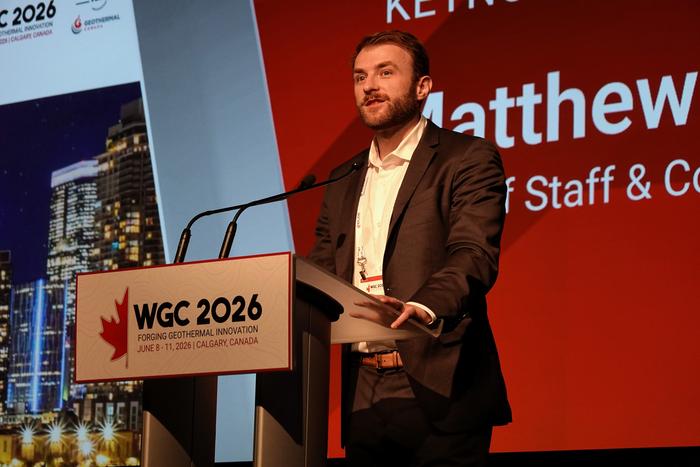
“The world of motorsport has proved to be a catalyst for innovation in business, not least through its use of new technologies, but Extreme E has truly been leading the charge in championing sustainability” said Dr. Matthew Bell, EY Global Climate Change and Sustainability Services Leader. “As Extreme E’s Official Sustainability Partner for the past four years, EY has supported its efforts to mitigate the risks and minimise the impact of climate change, and we’ve shown that high performance sports and environmental responsibility can walk hand in hand.”
The report recaps on cumulative achievements made since the event’s inception in 2021, with additional focus on key innovations and improvements made across Season 4. These include employing innovative waste procedures which resulted in sending zero waste to landfill at the most recent event, and continually evolving the racing championship design to ensure total racing equality.
Carbon footprint Analysis conducted by EvoMarkets, found that Season 4 of Extreme E generated a total of 4,618 tCO₂e. While direct comparisons to previous seasons are limited due to Season 4’s shortened schedule, the data has been instrumental in informing long-term carbon reduction strategies ahead of Extreme H’s debut.
Freight logistics have historically accounted for 85 to 90 percent of the championship’s total emissions. In response, and as part of its evolving sustainability strategy, organisers made the decision to sell the RMS St Helena. Going forward, the series will transition to lower-carbon transport solutions, including commercial shipping and rail freight, as successfully demonstrated at the Hydro X Prix in Scotland. While the vessel was essential to the series’ formative years, Extreme H’s future logistics model reflects a shift towards more efficient, scalable, and climate-conscious operations.
The report also revisits the progress of two of Extreme E’s Legacy Programmes, initiatives designed to leave a positive, long-lasting impact on communities and ecosystems long after the racing ends. Through the use of the Outcome Measurement Framework developed in partnership with EY and their independent evaluation, data reveals significantly positive long-term outcomes as a direct result of Extreme E’s support. Each initiative’s measurements for success are aligned with targeted United Nations Sustainable Development Goals (SDGs), helping teams, partners, and host communities monitor the impact over time.
In Uruguay, where the championship supported the Organisation for Cetacean Conservation (OCC), a landmark achievement was recently celebrated, with Isla de Lobos and surrounding waters being officially designated as a National Protected Area for marine species. This was achieved in part by educational outreach to over 10,000 individuals that the organisation has carried out since Extreme E’s visit in 2022, as part of its strategy to empower communities to advocate for ocean species.
Another highlight includes supporting the Nith District Salmon Fishery Board in Scotland to restore a critical habitat for Atlantic salmon, through the planting of 3,140 native hardwood trees, resulting in a 10 percent reduction in water temperature in the Crawick river. The board also created a ‘living lab’ plant nursery, allowing them to propagate their own seedlings whilst serving as a living classroom to support education initiatives.
To help deliver impactful Legacy Programmes, the championship also provides a unique testing ground for innovative partners to test their technologies, off the race track. Extreme E worked with its Official Technology Communications Partner, Vodafone Business, to deploy Internet of Things (IoT) hydrosensor solutions to help monitor water quality and temperature levels within the river.
Extreme E remains a signatory of the United Nations Framework Convention on Climate Change (UNFCCC) Sports for Climate Action Framework and the IUCN Sports for Nature Framework, and continues to champion sustainability across the wider motorsport industry through pioneering energy solutions, inclusive sporting formats, and science-based environmental action.
Extreme E is currently preparing to commence racing as Extreme H, the world’s first hydrogen racing championship kicking off later in 2025.
For additional information: