
The Land Use Framework for England, published yesterday by the Department for Environment, Food & Rural Affairs, sets out how the nation has enough land for homes, food production, nature restoration and building the homegrown renewable power we all need.
“These are not competing demands” said Environment Secretary Emma Reynolds in a foreword. “With the right data, the right tools, and the strategic direction this Framework provides, they are complementary ones.”
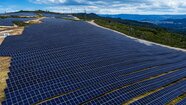
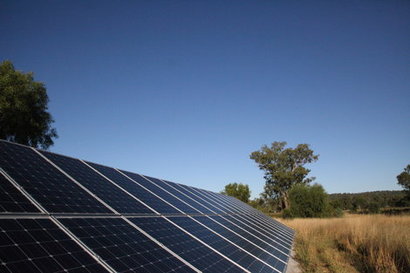
Unlike many forms of land use, solar farms present an opportunity to deliver multifunctional benefits in the same area. Alongside clean energy production, many sites can continue to support agricultural activity. Once built, the grazing of livestock is common, maintaining food production. There is also growing interest in agrivoltaics, where crops are cultivated beneath or between panels, allowing horticulture and energy generation to coexist on the same land.
“The framework underlines that the Government’s plans for housing, energy, food, climate change and nature all necessitate changes to how land is used across England” added Chris Hewett, Chief Executive of trade association Solar Energy UK. “This means that more efficient use is paramount – and solar is one of the most effective, efficient and diversified uses of land available.”
Beyond agriculture, solar farms can play a significant role in enhancing biodiversity. As demonstrated in Solar Energy UK's Solar Habitat reports shows that well-managed sites can support a wide range of habitats, including wildflower meadows that benefit pollinators. In some cases, installations can even produce honey.
The framework also refers to rewetting lowland peat soils beneath new solar panels: reducing emissions by displacing fossil fuels and locking in soil carbon.
It stresses that the projected scale of land use change needed to deliver its vision, including more renewable energy production, can be achieved “without compromising domestic food production… provided we make land more efficient at delivering different outcomes.” Further details will be provided in the Strategic Spatial Energy Plan, due in the autumn of next year.
As Solar Energy UK has continued to stress, the amount of land needed for solar farms and other renewables is minimal. This can be seen in the following infographic on current land uses, taken from the report.
For additional information: