
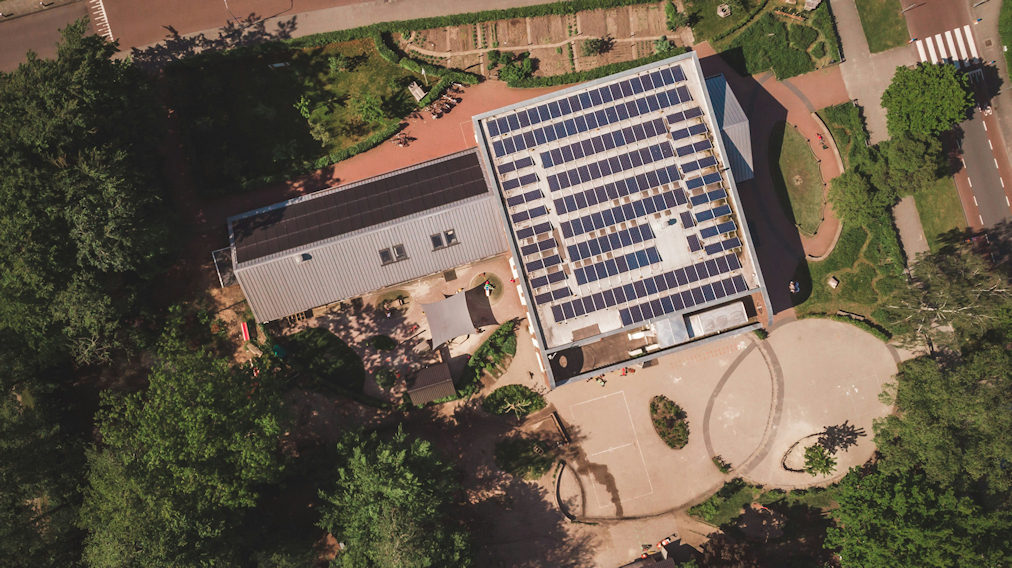
This trend is not limited to well-known universities, either. Even remote schools are participating in projects that expand clean power access and prepare learners for careers in the renewable energy sector.
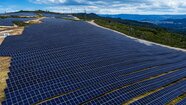
Public schools consume large amounts of electricity — 9% of the total consumption of commercial buildings in the United States. Since these institutions usually operate during peak solar production hours, people turn toward them to fit renewable energy systems.
In the United Kingdom, estimates suggest a typical school with rooftop solar and battery storage installed could save up to £25,000 or about $33,000 USD annually. The potential savings are even greater in the U.S. One analysis found that if Pennsylvania alone installed photovoltaic systems on all schools, the state would see 1.56 gigawatts of solar capacity and $342 million back in its pocket.
The financial case resonates strongly, especially as utility costs continue to rise. For public schools, the cut in power bills could be invested directly into improving students’ education, teacher pay, educational programs, and infrastructure upgrades that benefit families and taxpayers.
As renewable energy expands worldwide, solar power is emerging as a leading source of clean electricity. Forecasts indicate that by 2050, the sun could supply 45% of electricity in the U.S. Here are some of the educational institutions already paving the way.
In March 2025, the U.K. government released its first initiative through Great British Energy, powering 200 schools and 200 hospitals across England with solar support. The £200 million investment is projected to generate up to £400 million in savings across 30 years. Aside from powering classrooms and medical operations, these institutions can sell any leftover energy back to the grid.
Beyond economics, the plan also aims to introduce students to green skills that encourage future employment in renewables.
The National University of Singapore is home to SDE4, its first purpose-built net-zero energy building, featuring over 1,200 photovoltaic panels on the roof. The building hosts the School of Design and Environment, reflecting the university’s role as a leading institution in advancing sustainability through research, education and campus initiatives.
Two other SDE buildings from the 1970s are also being retrofitted for low-carbon use, with the goal of achieving net-zero energy performance. These undertakings support the university’s Climate Action Plan 2030, which aims to make the university carbon-neutral and reduce campus temperatures by 4 degrees Celsius.
In East Baltimore, Henderson-Hopkins School partnered with nonprofit developer Solar4Us to host panels large enough to supply electricity for nearby households. This is great news for the 150 low to moderate-income homes, which now enjoy up to 25% reduced rates on their bills.
Meanwhile, the school also benefits from workforce development programs that train local youth in solar installation. This shows how educational institutions extend clean energy benefits beyond campus boundaries and into surrounding neighborhoods.
The Solar for Schools Program in Pennsylvania — launched with bipartisan support — provides funding for installations at K-12 institutions, community colleges and technical institutions across the state. Interest was strong from the get-go, with proposals requesting nearly triple the available funding.
However, the Trump administration’s decision to scale back clean energy investments threatens federal funding, though representatives remain hopeful that support at the state level will continue. To date, 45 school districts have received grants between $40,000 and $500,000.
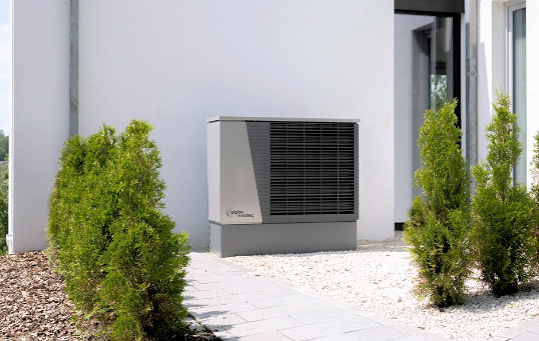
After their district secured two grants, local schools in Aspen tested potential geothermal wells to address heating and cooling needs. Though less visible than solar panels, these geo-exchange systems could significantly reduce dependence on fossil fuel-based heating. If successful, the project would provide heat for up to 600,000 square feet, covering academic facilities and surrounding buildings.
This technology has already been successful in Colorado and other states. Still, the initiative shows how schools can lead in adopting emerging solutions while giving learners studying climate science real-world examples within their campuses.
The Gifford Youth Achievement Center is making solar energy portable for underserved African regions. As part of their volunteer efforts and STEM application, middle and high school learners assembled 10 units of solar suitcases to be deployed in Kenya. Each device is powerful enough to light two to three classrooms and community centers.
The initiative creates a double benefit. Schools without electricity gain reliable lighting that improves learning conditions, while students who built the suitcases gain practical solar skills that prepare them for future opportunities and allow them to support communities in need.
In Yemen’s Hadramout Governorate, solar energy is reshaping education by addressing the power shortages that disrupt learning. Backed by the European Union-funded Strengthening Institutional and Economic Resilience in Yemen Project, photovoltaic systems were installed in 17 schools across Mukalla, Tarim and Al-Qatn.
Previously, the absence of reliable electricity forced staff to delay administrative tasks and wait late into the night just to print exams. It also created unbearable classroom conditions that weren’t conducive to learning, particularly during the summer heat. The project allowed for digital integration as computers and the Internet — previously inaccessible — were powered.
Universities from Russia and China brought together more than 30 students and young researchers for a week of sessions and classes. They focused on resource policies, technologies to restore Arctic land and water, renewable power for northern communities, the effects of oil and gas on polar ecosystems, and how eco-friendly tourism can support the Russian Arctic economy and culture.
Meanwhile, 25 students from eight countries attended the Ursa Major Young Scientist School in Sommarøy, Norway, in person and online. They worked on designing sustainable cities in Alaska and India, sharing ideas across regions. The learners used virtual reality tools — like those used by urban planners today — to involve communities in their projects.
These joint initiatives demonstrate how global collaboration can inspire practical solutions for sustainable urban development.
Educational institutions are moving beyond textbooks to apply knowledge in ways that benefit students, communities and the environment. These efforts show how schools — traditionally high-energy users — can reduce their environmental footprint while providing hands-on experiences that prepare learners for green careers, expand digital access and support broader community development.
Most importantly, renewable installations are daily reminders for students that clean energy is a lived part of their environment that allows them to learn and grow into sustainability-minded adults who contribute to building a greener world.