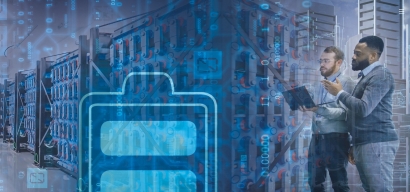

Edge AI refers to the phenomenon of bringing AI-powered computing and functionality to the border of a network. For example, a company would use edge AI to enable sensors in a facility to process information sourced on-site in real time.
Typically, devices within edge AI infrastructure are more secure and private because data is housed locally, rather than in the cloud — although saving information to this infrastructure is also an option. Unfortunately, cloud infrastructure costs are rising, with some companies investing $1,000 monthly for the convenience. Eventually, edge could become a smarter financial investment.
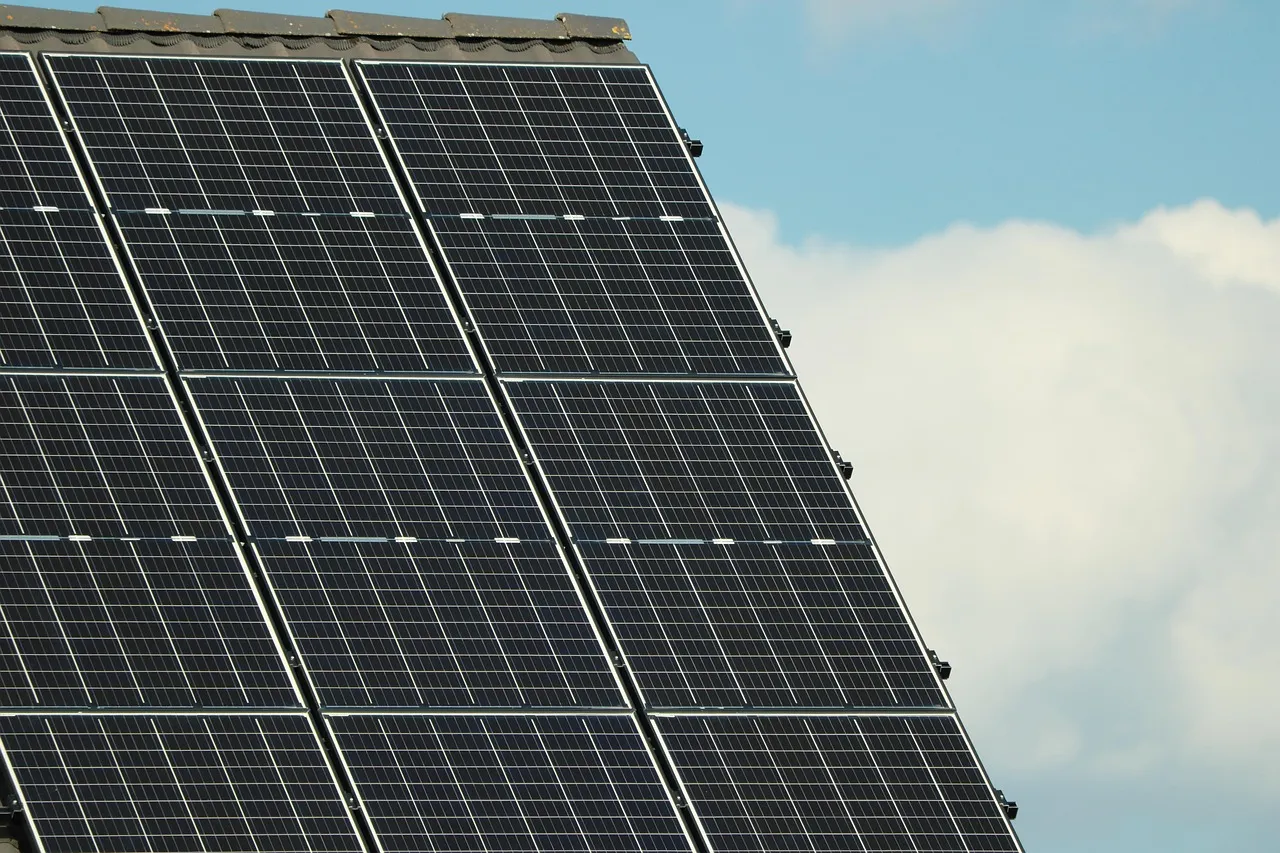
This works by running AI models locally on a device. The machine could be a battery energy storage system or a solar panel. Nearby users can have access to the AI’s power within the equipment for real-time, hands-on access and monitoring. For energy tech, this could be helpful in several ways, including managing loads or boosting performance.
With these capabilities in mind, these are the most likely ways edge AI could influence and expand the possibilities of renewable energy.
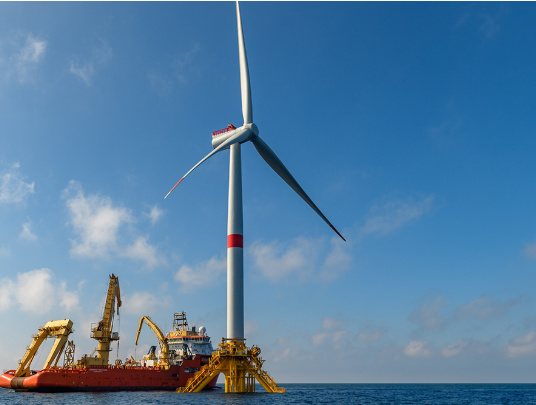
Edge AI could assist energy workers with the cumbersome tasks associated with wind turbine operations. The models can be directly located on the farms, eliminating the need for staff to travel long distances to diagnose maintenance concerns.
Machine learning achieved a 95% effectiveness rate in detecting turbine faults compared to normal samples. It could observe essential parameters, like vibration intensity, temperatures and noise levels, sending information to technicians about likely actions without wasting time.
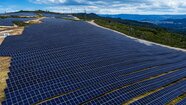
The unpredictability of solar has dissuaded some areas from adopting it, but incorporating edge AI could convince citizens of its reliability. It utilizes algorithms to identify extremely localized weather patterns, sun ray angles and cloud cover, enabling technology to harness as much energy as possible.
Alongside this information, it can leverage usage trends of connected assets to determine how much to send to battery storage and how much to reserve for peak hours. One case study at a photovoltaic plant proved that machine learning-informed operations improved maintenance, better integrated the grid and enhanced forecasting.
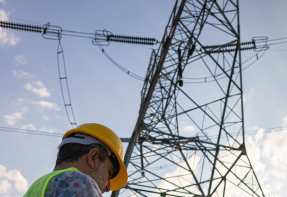
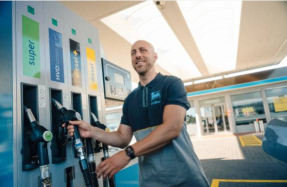
Connecting renewable energy technologies closer to the grid will help manage the power supply more effectively. Edge AI can automatically adjust distribution to bring more to in-use electric vehicle chargers or send resources to homes with power outages. Fewer interruptions occur, and citizens experience better uptime.
Additionally, optimizing grid peripherals could make them last longer. Lithium-ion batteries have an estimated 10 to 15-year lifespan, but AI improvements could extend it further by reducing electrical and mechanical stress with unexpected disruptions or overloads.
Operating renewable energy could become cheaper with edge AI. It lowers power consumption as machine-to-machine communications are optimized. This could make smart vehicle-to-grid efforts more cost-effective by distributing less expensive electricity to its destinations. The energy from stored batteries can help during periods of high demand, and the grid can support the restoration of these fuel reserves when it makes the most logistical sense.
AI on the edge could be the reason more on-site renewable energy is installed at companies or how grid development expands to help communities. The advantages are inarguable, providing households and commercial buildings with greater energy security without the need for fossil fuels. Instead of delegating all AI assets to the cloud or other infrastructure, placing them on the edge will make insights more precise, responsive and impactful for the future of zero-carbon power.