

However, the reasons for hesitation aren’t without foundation, according to one transport expert. While the infrastructure has expanded, real concerns about charging reliability, weather impacts, and route limitations still influence travel decisions for electric vehicle drivers.
“We work with EV owners every day who choose to ship their vehicles for long-distance moves rather than drive them” said Joe Webster, Marketing Director at A1 Auto Transport, a US vehicle shipping and logistics provider with over 30 years of experience. “It's not that these drivers don't trust their cars, but just that they’re making practical decisions based on real logistical challenges still existing on many routes.”
Mr Webster identifies three primary factors that make EV owners reconsider long-distance travel, even as the technology continues to improve:
Charging Anxiety and Reliability
Inconsistent Infrastructure
Weather-Related Range Loss
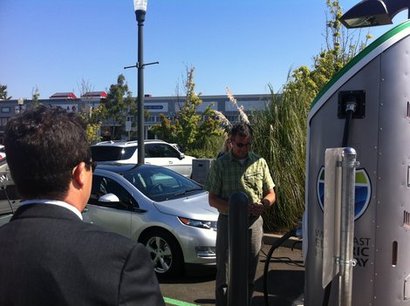
Charging Anxiety and Reliability - The fear of running out of power is one of the biggest psychological barriers for EV drivers planning extended trips. Unlike gas stations, which appear predictably along most highways, charging stations can be sparse in rural areas and along less-travelled routes.
“The anxiety comes from finding a charger that works” said Mr Webster. “We hear from customers who've encountered broken chargers, incompatible charging networks, or stations already occupied with long wait times. When you're 200 miles from home, that uncertainty weighs heavily on your decision-making.”
Even when charging stations are available, the time investment differs significantly from refuelling a gas vehicle. A quick five-minute gas stop becomes a 30-60 minute charging session, turning what should be an eight-hour drive into a much longer ordeal.
Inconsistent Infrastructure - While major highways and urban corridors have seen substantial charging network growth, coverage remains uneven across the country. Some regions offer abundant fast-charging options, while others lag far behind.
“With a gas vehicle, you can adjust your route on the fly without much concern” added Webster. “EV drivers need to plan more carefully, sticking to predetermined routes where charging availability is confirmed.”
Webster notes that this inconsistency creates particular challenges for spontaneous travel.”
The situation varies significantly by state and region. Drivers in major metropolitan areas and along well-travelled coastal corridors generally find more reliable charging networks, while those venturing through rural areas face much greater uncertainty.
Weather-Related Range Loss - Temperature extremes present another challenge that often catches EV owners off guard. Both extreme heat and cold significantly reduce battery efficiency and overall range.
Cold weather poses the most dramatic impact. Battery chemistry slows in freezing temperatures, and cabin heating draws substantial power. An EV rated for 300 miles of range in moderate conditions might deliver only 200 miles in winter weather, a 33 percent reduction that can turn a comfortable trip into a stressful race between charging stations.
“Heat affects range too, though not as severely” added Mr Webster. “Air conditioning use and high temperatures both reduce efficiency. Drivers planning summer road trips through desert regions need to account for this when mapping their charging stops.”
Despite these challenges, long-distance EV travel is absolutely possible with proper preparation.
Modern planning tools have made EV road trips much more manageable. Apps like A Better Route Planner, PlugShare, and built-in vehicle navigation systems help drivers identify charging stations, check real-time availability, and plan stops strategically.
Charging networks now usually offer apps that show real-time station status, helping drivers avoid unpleasant surprises.
Understanding how the weather affects your specific vehicle makes a significant difference in trip planning.
Drivers should also pack emergency supplies appropriate to the season and route, and ensure they have reliable cell service or a backup communication method for calling roadside assistance if needed.
For some situations, driving an EV long-distance simply doesn't make practical sense. Many customers choose vehicle shipping for cross-country moves rather than dealing with the logistics of charging along unfamiliar routes.
For additional information: