
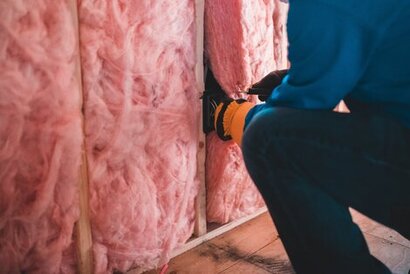
In 2024, the energy efficiency industry employed nearly 2.4 million people, a 4 percent increase (nearly 100,000 new jobs) compared to the year before–and nearly doubling since 2021.
“As federal policymakers aim to grow the economy and reduce the cost of living for everyday Americans, our report shows energy efficiency is a vital part of the solution” said Steve Skodak, CEO of Building Performance Association. “There are energy efficiency jobs in 99 percent of US counties - and they span key blue collar sectors including manufacturing and construction. These jobs provide the products and services that help families and businesses save on their energy bills.”
Energy Efficiency Jobs in America is an annual report that tracks energy efficiency employment nationally and across all 50 states and the District of Columbia, in the areas of manufacturing, construction, installation, maintenance and repair, and delivery. It emphasises the built environment, where workers use ENERGY STAR-certified products and technologies, and high-performance building materials. This includes energy auditors, insulation installers, technicians, HVAC professionals, architects, electrical engineers, and more.
BW Research Partnership conducted additional analysis for the report on behalf of BPA based on data from the Department of Energy’s 2025 US Energy & Employment Report, also produced by BW Research.
Key Findings:
America’s energy efficiency economy employs nearly 2.4 million workers who design, manufacture, and install energy saving products and technologies across 50 states.
Energy efficiency workers represent more than a quarter of the total energy workforce.
From 2023 to 2024, energy efficiency grew the fastest and added more jobs than any other energy sector, creating nearly 100,000 new jobs and increasing its growth rate year over year - nearly doubling since 2021.
Energy efficiency is the largest energy sector in 39 states and the District of Columbia.
The top five states with the most energy efficiency jobs are California (312,090), Texas (182,506), New York (135,393), Florida (132,060), and Illinois (89,878).
The top 10 states with the fastest energy efficiency job growth are: New Mexico (7.7 percent), Nevada (7.3 percent), Idaho (7.3 percent), Oklahoma (7.2 percent), Colorado (6.6 percent), New Jersey (6.5 percent), Hawaii (5.8 percent), Texas (5.5 percent), North Dakota (5.5 percent), and Florida (5.5 percent)
Idaho and Oklahoma are new additions this year to the top five states that have the fastest energy efficiency job growth (joining New Mexico, Nevada, and Colorado).
In states where energy efficiency is not the largest energy sector, four states—Louisiana, New Mexico, Nevada, and Texas—had energy efficiency as the fastest growing energy sector.
Energy efficiency is an integral part of the manufacturing and construction industries. There are 1.3 million energy efficiency workers in construction, accounting for nearly 16 percent of all jobs in the US construction workforce. In Michigan, Kentucky, Wisconsin, Alabama, and Mississippi, manufacturing represents a quarter of all energy efficiency employment - and in Michigan, more than half.
Energy efficiency is also driving small business growth and strong wages. Nearly 95 percent of energy efficiency companies are small businesses with fewer than 100 employees - and the median wage for energy efficient employment is 20 percent higher than the US median wage. Additionally, 9 percent of energy efficiency workers are veterans, which is 4 percentage points above the national average.
“Small businesses are on the front lines of this industry every day” said Jessica Azarelo, founder and owner of Attic Queen in Oldsmar, Florida and a member of BPA. “When we improve a home’s efficiency or indoor environment, we’re not only delivering a service - we’re creating local jobs and helping families reduce their energy costs and live in healthier, more comfortable homes. Energy efficiency gives companies like ours the opportunity to grow while providing measurable benefits to the people we serve.”
To maintain momentum, federal and state governments must prioritise workforce development programmes.
Between 2019 and 2024, the share of energy efficiency workers aged 55 and over increased from 12 percent to 15.5 percent nationally. While younger workers continue to enter the field, these additions are not yet sufficient to offset retirements in the existing workforce.
Energy efficiency subsectors focused on construction, manufacturing and trade, and professional services all continued to report very high levels of hiring difficulty, with 84 percent to 88 percent of companies in all three categories describing hiring as at least “somewhat difficult.”
Though fewer energy efficiency construction businesses reported finding hiring to be “very difficult,” dropping from 61.6 percent in 2022 to 48 percent in 2024, the overall picture remains clear: nearly 9 in 10 of surveyed companies still face hiring challenges.
The most common reason for hiring difficulty was lack of experience, training, or technical skills.
Beyond creating jobs and driving economic growth, energy efficiency also helps address other key national priorities such as reducing energy bills, improving air quality and home comfort, supporting US energy independence, reducing energy waste, and improving grid resilience. Additionally, energy efficiency will become increasingly important as energy demand from data centres skyrockets from 4.4 percent of US electricity use in 2023 to as much as 12 percent in the next three years.
“I’m proud to work in energy efficiency, particularly in weatherisation, because the work I do provides real benefits to families in my community” added VaShawn Johnson, BPA Board Member and Weatherisation Training Manager at Indoor Climate Research & Training (ICRT). “This work lowers energy bills, supports safer and healthier indoor environments, and helps create local jobs. As an instructor, I’m privileged to pass this knowledge on to the next generation of energy efficiency workers - individuals who will improve homes in their own communities and respond to the increasing need for cost-saving upgrades that make housing safer, healthier, and more affordable.”
While the One Big Beautiful Bill Act that passed earlier this year cut many of the key energy efficiency tax incentives and programmes that help deliver these benefits, BPA hopes this report encourages federal and state governments to continue to prioritise energy efficiency incentives and maintain and enhance the energy efficiency programs that still exist. For example, the Weatherisation Assistance Programme and the Home Energy Rebate Programmes.
For additional information: