

These disruptions raise concerns about whether solar, wind and hydropower can remain reliable sources in the decades ahead. To understand the future of renewables, it’s important to examine how climate change reshapes the environment they depend on and what steps can make these systems more resilient.
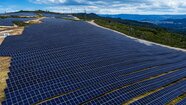
Solar, wind and hydropower are central to the renewable energy transition. Still, climate change makes them more challenging to rely on. Solar panels lose efficiency during extreme heatwaves. Meanwhile, smoke from massive wildfires — now burning more than twice as much tree cover annually compared to two decades ago — blocks sunlight and reduces output.
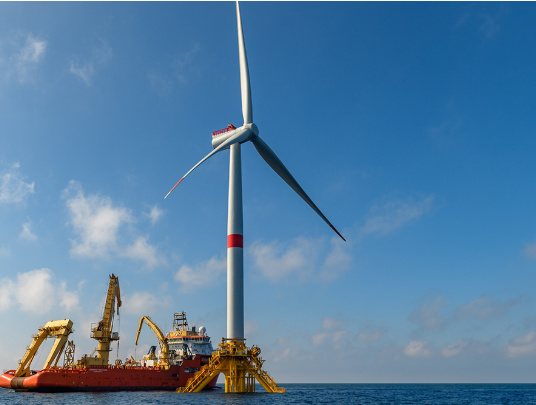
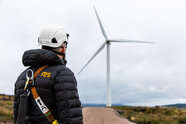
Wind energy depends on consistent airflows, yet shifting climate patterns bring unpredictable storms in some regions and weaker currents in others. At the same time, urban environments complicate matters further because tall buildings shield strong winds, lowering performance.
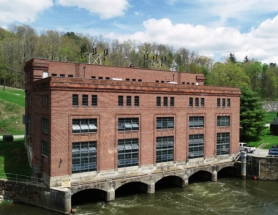
Hydropower faces mounting risks, as prolonged droughts limit water supply and intense floods strain dams and turbines. These challenges underscore a growing concern. Climate-driven variability threatens the reliability of renewables, which makes it clear that solutions must evolve as quickly as the climate.
Unpredictable supply is quickly becoming one of the most pressing issues for renewable energy, threatening energy security and the grid's stability. Unlike coal or gas plants that deliver steady, constant output, solar and wind fluctuate with weather conditions, and hydropower depends on rainfall and river flow.
Many existing power grids cannot handle this level of variability, which makes it difficult to integrate renewables smoothly. As climate change intensifies extreme weather events, these disruptions can grow more frequent, leaving grids under pressure to maintain consistent power delivery in unpredictable environments.
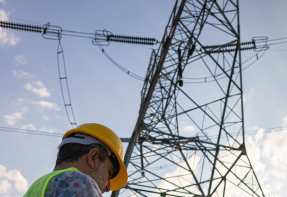
Alongside these operational challenges comes the financial strain of preparing infrastructure for harsher conditions. Reinforcing transmission lines, hardening substations and upgrading systems to withstand stronger storms or prolonged droughts demand significant investment.
This is why storage solutions are emerging as crucial pieces of the puzzle. Advanced batteries and grid-scale reserves can capture excess renewable energy when conditions are favorable. They can release it during dips in supply, ensuring a more stable balance between production and demand. Without widespread storage adoption, the variability of renewables will continue to strain grids and slow progress toward a fully sustainable energy future.
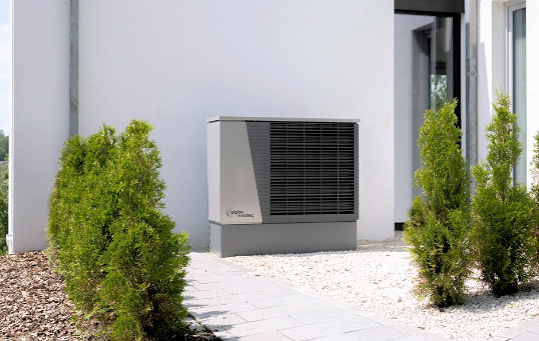
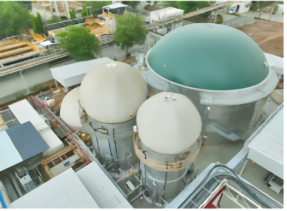
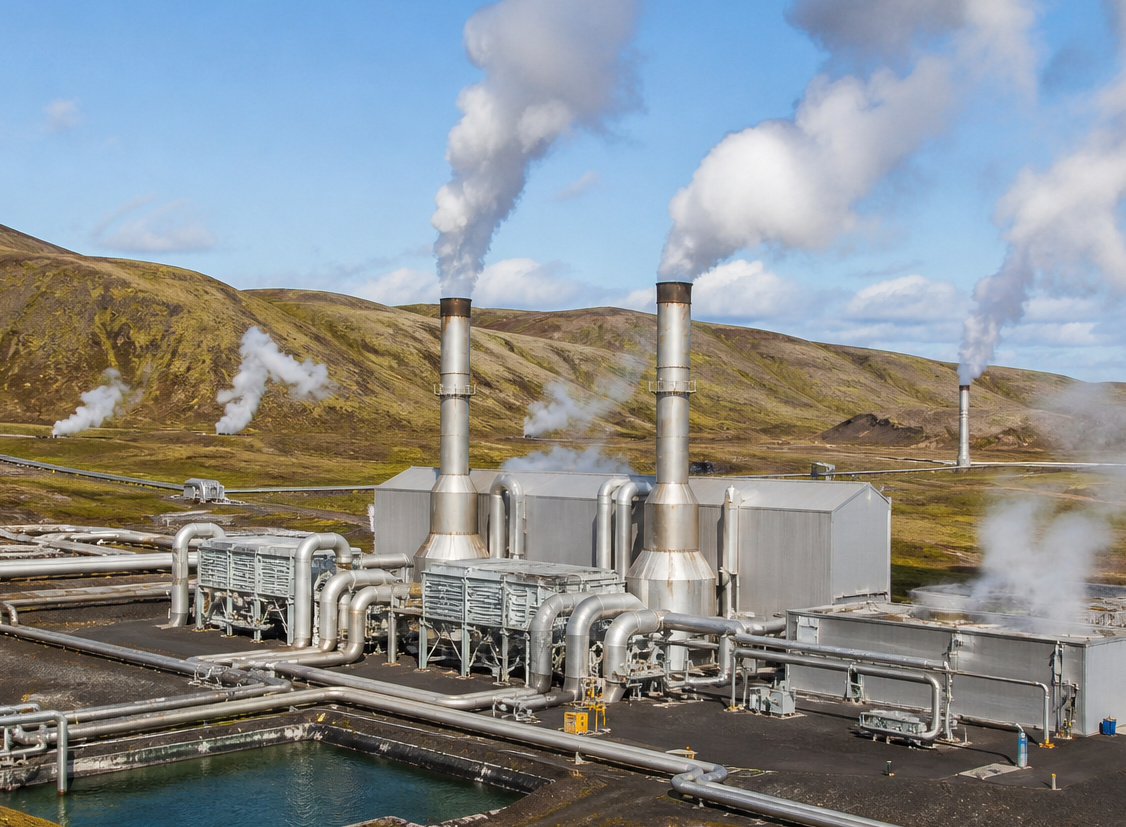
Diversification across solar, wind, hydro, geothermal and tidal power offers one of the strongest ways to reduce the risks that climate change brings to renewable energy. By relying on a broader mix, energy systems can balance weaknesses in individual sources and maintain steadier output even when extreme weather strikes.
Advances in storage technology add stability, capturing excess power during peak production and releasing it when supply dips. Artificial intelligence strengthens this resilience by forecasting renewable output with remarkable accuracy. It excels at prediction while explaining the processes behind its insights. This advantage supports smarter decision-making and effective mitigation strategies.
At the same time, building climate-resilient infrastructure and introducing policies that reward adaptation ensure long-term reliability. With global collaboration and continued research, the renewable sector can remain viable and thrive despite the uncertainties of a warming planet.
Renewable energy is essential for fighting climate change, yet the shifts threaten its stability and long-term success. Supporting resilient, forward-looking projects ensures clean power can withstand these challenges and drive a sustainable future.