

Many developers, government agencies and local communities are at odds over who truly benefits and who pays the price. These energy wars are intensifying and shaping the future of renewable power in ways many don’t realize.
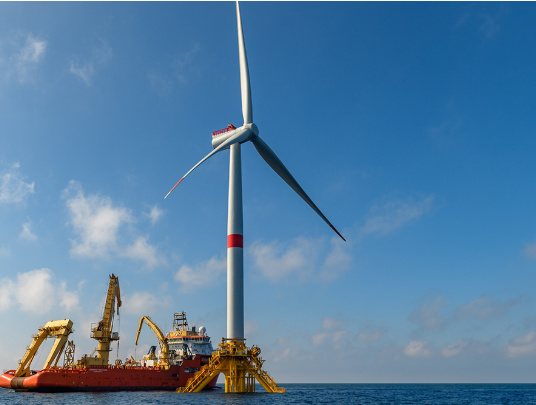
Wind energy is one of the fastest-growing sources of electricity in the U.S., as the need to cut carbon emissions is increasing. According to the U.S. Energy Information Administration, wind supplies over 10% of total U.S. electricity generation, with thousands of turbines installed across the Midwest, Great Plains and beyond. However, President Trump’s policies may slow this growth in the coming years.
Countries worldwide are also racing to use wind power. Denmark is a pioneer in renewable innovation. The small Scandinavian nation has installed more than 4,800 wind power generators and now regularly generates much of its electricity from wind.
Wind energy has become a popular option for electricity generation because of its numerous benefits. It reduces greenhouse gas emissions, creates thousands of jobs and provides more affordable electricity in many regions. Yet, as wind farms spread, land use and community impact tensions have begun to surface.
Wind farms are increasingly being opposed by the communities they are meant to serve. Concerns over land use, property rights and the environmental impact of towering turbines have fueled opposition in many rural areas.
This growing pushback has started what some call an anti-wind movement. Local communities and advocacy groups are organizing a resistance movement due to concerns about property values, noise and turbines' visual impact. Others cite deeper environmental and ethical considerations.
For instance, some grassroots organizations worry about the potential harm to wildlife and the impact on fragile ecosystems. Others are concerned about large corporations backing industrial-scale renewable projects because of their past environmental track records.
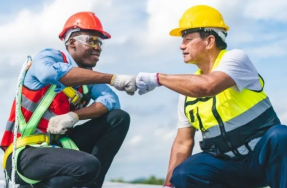
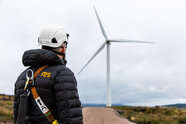
Safety has also become a major issue. Wind energy is expanding rapidly due to the urgency to meet renewable energy goals. However, this rush to increase wind energy projects can lead to compressed construction timelines and increase the risk of safety oversights.
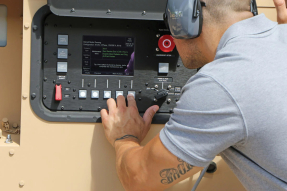
For instance, working at height on wind turbines using aerial lifts requires strict adherence to safety protocols. Workers must ensure three limbs are always in contact with the guardrail or platform. Community members sometimes express concern that the pressure to build quickly could compromise worker and public safety, especially in smaller towns. This long list of worries has led to ongoing debates and legal challenges obstructing the renewable energy transition.
Wind energy has become the center of global competition for manufacturing leadership, technological innovation and market share. China dominates the international wind energy market, accounting for over 60% of global yearly connected capacity and experiencing 12% year-over-year growth.
Chinese wind turbine manufacturers produce equipment at much lower costs than their Western counterparts. China’s wind market has increased pricing pressures on U.S. and European companies, enhancing trade tensions and accusations of unfair subsidies.
Supply chain vulnerabilities are another challenge. Turbines need rare earth elements for production. Yet, this supply increases the risk of disruption and price volatility, complicating the push for energy independence.
Subsidies and national security concerns also play a role. Countries must carefully consider domestic job creation and energy security with the realities of global competition and rising manufacturing costs.
Outdated policies and strict regulatory frameworks are slowing wind energy development. In many regions, the approval process for new wind projects is lengthy, inconsistent and burdened by bureaucratic red tape. On average, this adds four years of delays, which derail progress and deter investment.
One of the biggest hurdles is the mismatch between national renewable energy goals and the local and regional permitting processes. Without a standardized approach, developers must deal with varying regional regulations.
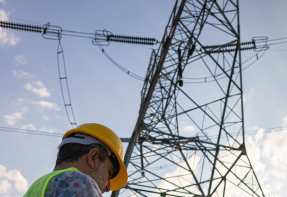
Infrastructure planning also lags. Even when new wind projects are approved, the expansion of transmission lines is often bottlenecked by similar permitting issues and community pushback.
Despite the challenges facing wind energy development, several solutions can make it work:
Streamline permitting and regulatory processes: Simplifying and standardizing the approval process for wind projects can reduce delays and provide greater certainty for developers.
Enhance community engagement: Involving local stakeholders early and often can help address concerns and build trust.
Invest in safety and workforce training: Prioritizing rigorous safety standards and operator training prevents accidents and eases public safety concerns.
Diversify supply chains: Reducing reliance on single-source suppliers can minimize geopolitical risks and supply chain disruptions.
Develop fair economic models: Creating financial frameworks that ensure benefits to local communities can build lasting support for wind projects.
The rise of wind energy offers tremendous potential to power a cleaner, more sustainable future, but it also brings social, economic and regulatory challenges. Addressing them is key to moving the renewable transition forward so the nation’s wind belts continue to be a source of progress.