
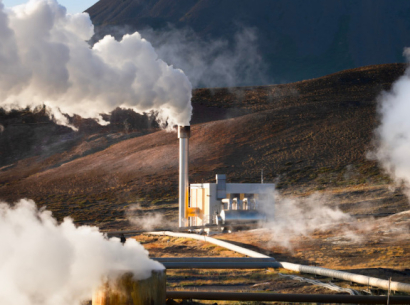
With the development of significant new technology in drilling and subsurface engineering, geothermal energy — a century-old energy source that has traditionally been thought of as niche due to geographical constraints in production — is set to become a reliable source of low-carbon energy that can be used across the United States.
The paper emphasizes that with the right policy signals and investment, Texas could capitalize on its existing oil and gas infrastructure and knowledge base to lead the nation in the growth of advanced geothermal.
“Advanced Geothermal has the potential to provide low carbon, firm electricity and district heating and cooling in large parts of the United States,” said Greg Bean, Executive Director of the Gutierrez Energy Management Institute at the University of Houston’s C. T. Bauer College of Business and author of the white paper.
“Energy demand, especially electricity demand, is continuing to grow and we need to develop new low carbon energy sources to meet those needs,” said Bean.
This is good news at a time when rapid growth in artificial intelligence, data centers, and industrial electrification, it is expected that U.S. electricity demand will sharply increase over the next decade. Advanced geothermal offers a rare combination of firm, low-carbon continuous power helping to ease the pressure on the existing grid.
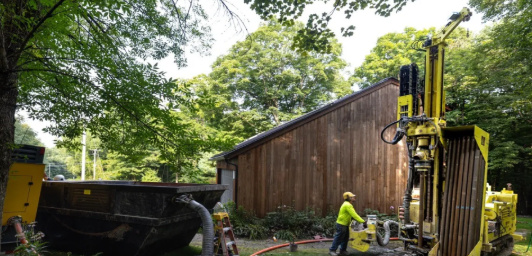
Texas is particularly well positioned to lead as much of the expertise and infrastructure required for advanced geothermal is already available with the state’s oil and gas industry — from drilling and reservoir development to subsurface engineering.
Building on these strengths could accelerate deployment and lower costs for advanced geothermal energy, while creating new opportunities for the existing energy workforce.