

Data centers serve as the core infrastructure that powers the internet, from personal electronics to business operations to government services. Xcel Energy recently signed an agreement to supply power for the Google data center that will support core services — including Workspace, Search, YouTube and Maps — that people, communities and businesses use every day.
Xcel Energy is committed to ensuring that new large loads do not increase costs for existing customers and that service remains reliable. Under the agreement, Google will pay all costs for its new service in line with its typical practices and Minnesota's regulatory and legislative requirements for large loads. Over the past five years, Xcel Energy's average Minnesota residential customer's electric bills were 27% below the national average. Since 2013, residential electric bills have increased by 1.55% a year, well below the rate of inflation.
“Data centers are the backbone of the 21st century economy, and we're excited to work with Google to advance the prosperity of our region and ensure our current customers benefit,” said Bria Shea, president of Xcel Energy–Minnesota, North Dakota and South Dakota. “This unique agreement is a model for data center partnerships in that it fulfills and protects Minnesota's goals for a carbon-free future and drives investment deep into our communities — all while ensuring our current customers are not paying more for this growing demand.”
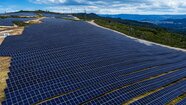
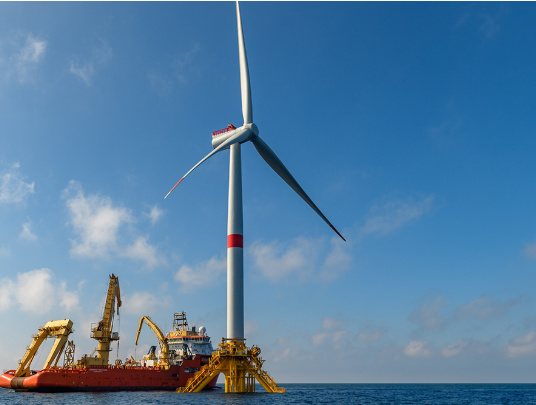
As part of the agreement, Xcel and Google are partnering to bring 1,900 megawatts of new clean energy to the grid. In addition, Google will cover any new grid infrastructure costs associated with the project and has planned carefully with Xcel Energy to ensure electricity in the area remains reliable and affordable for all of Xcel Energy's customers. A Clean Energy Accelerator Charge (CEAC) will provide for 1,400 MW of wind, 200 MW of solar and 300 MW of long-duration energy storage, along with a $50 million investment towards Xcel Energy's Capacity*Connect Program, which will help drive reliability on the grid. The additional generation will help advance Xcel Energy beyond its current energy mix of 70% carbon-free electricity.
The clean energy resources funded through the agreement include a 300 megawatt (30 gigawatt-hour) Form Energy iron-air battery system installation, the largest battery project by gigawatt-hour energy capacity announced to date in the world. This 100-hour battery system will store energy during periods of high production and low demand and dispatch it to the grid during times of high demand, providing firm capacity and strengthening grid reliability when it is needed most, even over multiple days.
“Data centers are critical tools for economic development and growth in our state,” said Doug Loon, president and CEO of the Minnesota Chamber of Commerce. "Last year's law that extended incentives for operation of data centers while balancing environmental considerations like water and energy use is a model for other states. The Minnesota Chamber is excited about the partnership between Google and Xcel Energy to deliver this project and we look forward to the economic benefits it will bring to Minnesota."
The Electric Service Agreement will be filed for review with the Minnesota Public Utilities Commission in the coming weeks. The MPUC must formally approve the agreement between Xcel Energy and Google to supply power to the site.