
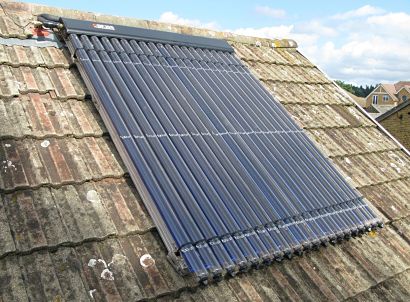
Energy is a cornerstone to both the current geopolitical context and EU’s competitiveness, with heat representing 60 percent of industry’s energy needs, half of that being below 400°C. Solar thermal technologies are the obvious solution for decarbonising this heat demand. However, inconsistent policy signals on the energy transition undermining the heating decarbonisation, dumping practices by some non-EU industries, and lack of financial support are delaying the deployment of these technologies.
Solar Heat Europe argues that the use of decentralised renewable heat technologies like solar heat must be prioritised. Solar heat technologies help industries and cities access to affordable energy at a predictable cost and are readily available. They operate independently from the power grid and work with any other energy sources, combined with cost efficient thermal energy storage. Energy security will be ensured through a comprehensive mix of technologies, putting electrification and direct renewable heat technologies on an equal footing.
“Given the urgency of heat security in Europe and the need to reduce our dependence on natural gas imports, EU and national authorities must re-balance the allocation of EU resources and give much more recognition to readily available renewable heat solutions with immediate impact” said Piero Abbate, CEO of TVP Solar towards Heads of States and Commission representatives.
Solar thermal is a strong EU-made clean tech industry, powered by numerous SMEs. To steer the demand, the European Commission should ensure the effective implementation of the Net Zero Industry Act (NZIA), invest in R&D, and use wisely public procurement tools. This will allow the sector to create local skilled jobs, across the solar thermal value chain, from manufacturers to installers.
“The solar thermal sector is built on a strong network of SMEs, producing technologies that are clearly recognised in the NZIA, with a European value chain enhancing product security and reliability” added Valérie Séjourné, Managing Director of Solar Heat Europe. “However, the uncertainty of policy signals and latest market trends could put our sector at risk. What we urgently need is a growing demand and clear Made-in-Europe criteria.
Current market conditions (relatively low fossil fuel prices and limited visibility on carbon pricing) are a constraint for investment decisions. The support to CAPEX costs – particularly for solar heat technologies which are a “one-off” investment (with quasi no OPEX) – is decisive both through public and private investments.
For heat decarbonisation projects, dedicated financing instruments (such as green loans, Contracts for Difference, Heat-as-a-Service and Heat Purchase Agreement) are critical tools to bridge the investment gap. The Industrial Decarbonisation Bank is a positive step, but all relevant clean technologies must compete equally, lowering the threshold below 100°C so that more projects and industries can be eligible, among others.
There should be no barriers for the deployment of EU clean tech, whether for the establishment of solar thermal fields (for industry and district heating, where “fast-track” permitting should be granted), or for the installation of new manufacturing sites in Europe. Moreover, the EU solar thermal sector is a strong exporter worldwide: adequate access to markets (insurance, finances) must be ensured for fair competition on the global stage.
Solar Heat Europe had the opportunity to meet with industry partners in Antwerp to reinforce collaboration for the potential use of solar heat for industrial applications with key sectors, such as food and beverage, chemicals, pharmaceuticals, pulp and paper, etc. The next step is accelerating deployment through strong cooperation and supportive policies.
For additional information: