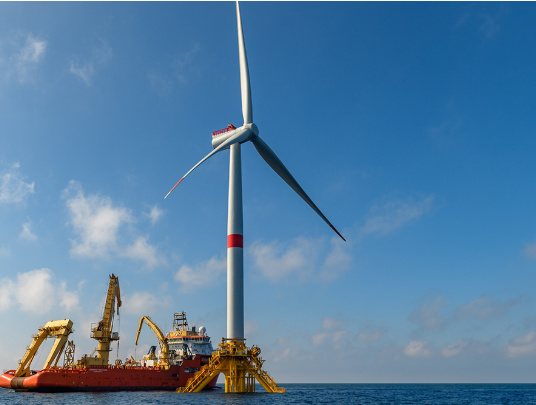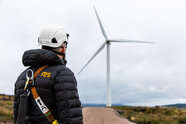

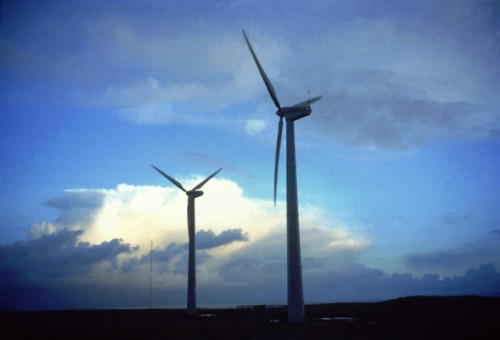
Researchers from an Illinois university who ran a European study confirmed that warming of the land and the atmospheric layer closest to the Earth’s surface worsens a phenomenon called “stilling,” which makes Europe’s summers less windy. They believe even slight wind speed declines could notably affect relevant renewable power output. The team said this issue is also happening in other regions, including North America.
The study’s lead researcher discussed the data from a viewpoint spanning 2021 to 2050. He estimated a decline of less than 5% during that span but said average speeds could drop by up to 10% by 2100. The expert also positioned the wind market as marginal, clarifying even such a small change might have meaningful consequences.
Many previous studies focused on historical data, but wind speeds are difficult to measure. This investigation emphasized more simulations. Its results aligned with other outcomes, suggesting a statistically significant drop during the century’s second half.
A 2023 study examined hourly statistics across the continental United States, calculating energy droughts and demand patterns. Researchers measured wind speeds at turbine heights and the intensity of sun falling on solar panels. They considered cloudy days with stagnant winds as compound energy droughts. Additionally, the group used four decades of historical weather data to estimate how 2020 infrastructure would have coped in the past.
The findings revealed the longest potential energy drought measured hourly was a 37-hour one in Texas. However, when examining the data on a daily scale, the most prolonged instance was six days, and that occurred in California. The researchers clarified that electricity droughts don’t necessarily cause shortages because operators can compensate by getting power from several sources.
Even so, the group recognized the importance of learning whether these weather problems might arise during peak usage, exacerbating their effects. They combined hypothetical generation data with historical usage statistics to find out.
The results showed renewable energy droughts occurred within peak times more often than expected by chance, but they still typically happened during low-demand periods. These conclusions could support energy leaders by helping them decide when and where to invest in battery backup systems.
These studies show that people interested in renewable energy should consider wind among other options, understanding the potential for future shortcomings. Increasing your dependence on clean power can lower bills, but so can additional thoughtful upgrades. Which ones are worth evaluating?
Insulation is readily available and suitable for many types of structures. Research has found that commercial buildings could decrease power needs by up to 50% by using it. Additionally, insulated spaces increase occupant comfort.
Think about having insulation installed as a relatively low-effort way to save energy. A professional audit could help you optimize the effects.
Sustainable buildings are about more than green electricity. Although that is certainly an important component, opportunities to reduce and reuse resources such as water also matter. Additionally, many properties have high-tech sensors to detect outdoor conditions and adjust indoor temperatures accordingly.
Commercial property developers and other leaders increasingly see the value in earning green building certifications from reputable entities. Sustainable buildings have up to 21% higher market values than their counterparts, which makes investing in significant upgrades to match emerging consumer demands worthwhile.
Sustainability also means designing or improving buildings to withstand future threats. Some climate scientists have found a link between a warming planet and more severe storms. If you’re in an area that already gets strong seasonal weather, now may be a good time to make strategic improvements to reduce the chances of later damage.
A 2023 study showed climate change could increase the chances of back-to-back tropical storms and hurricanes affecting coastal areas. The data indicated they might happen as frequently as every three years, making them no longer rare as they are now.
If you’ve been thinking about budgeting for a professional energy-efficiency consultation, consider also having experts evaluate a home or business to recommend ways to make it more weather-proof. Review your insurance policy to see how the coverage treats natural disasters, too.
Despite the threat of decreased output from stilling, wind power is still a valuable renewable power source. You can maximize its potential by understanding possible weather-related deficits and using battery backup systems and other sources to close gaps.