

Temple University’s Dr. Liang Du explains that power grid operations depend on real-time supply and demand. When excess electricity flows through the system, the protective digital relays automatically shut down various parts of the grid to prevent equipment damage and dangerously high voltages. Although only a few people might lose power in controlled areas, large-scale blackouts often impact much larger regions.
Other factors include severe weather, natural disasters, overgrown vegetation, wildlife interference, cybersecurity attacks and older systems. For instance, most of the U.S. electrical grid was constructed in the 1960s and 1970s and is unable to meet today’s electricity needs. Seventy percent of its transmission lines are nearing the end of their 50-80-year lifespan.
The world has experienced several significant blackouts in the last five years alone. In February 2021, Texas endured a massive energy crisis as snow and ice blanketed the state. The weather event knocked out 40% of the grid’s capacity in just four hours, affecting 4.5 million homes and businesses. Some locations were without power for days, with temperatures plummeting to record-breaking levels.
In January 2023, Pakistan also had widespread outages due to a voltage fluctuation. The incident resulted in a chain reaction of failures across the nation’s power plants and impacted 230 million people — 99% of the population.
Additionally, a major blackout in the United Kingdom in August 2019 left 1.1 million customers without electricity after a lightning strike. The incident disrupted two of the country’s power plants and many smaller generators during rush hour, stranding people waiting for trains and affecting essential services.
Renewable energy technologies are revolutionizing grid resilience. By expanding the portfolio, these cleaner sources reduce dependence on a single, centralized power plant to reduce the risk of blackouts.
The International Energy Agency suggests that renewable power consumption will increase by 60% by 2030. Generation from clean sources is expected to account for over three-quarters of this trend, provided countries continue to invest in it and implement new policies that support it.
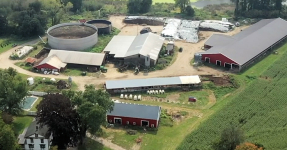
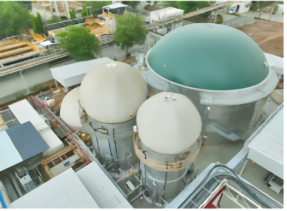
Although solar, wind, and hydropower are making significant inroads, renewables like biomass still lag. It currently represents just 8% of industrial energy use, but many expect it to reach 21% by 2050.
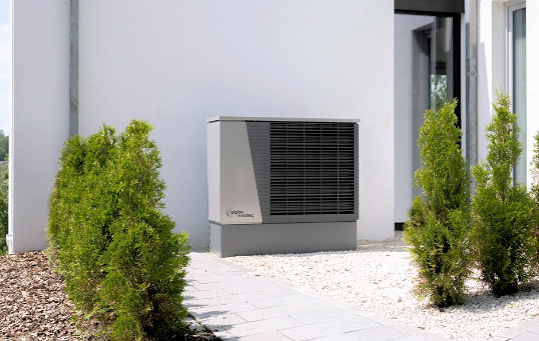
Distributed generation — located near where electricity is produced and used — will enhance reliability through localized supply and transmission. Germany’s Energiewende is a prime example of a planned transition from hydrocarbons and nuclear to a low-carbon, nuclear-free energy mix powered by renewables. The country aims to derive 80% of its electricity supply from clean sources by 2030.
Storage solutions will also be critical for building grid resilience against outages. Lithium-ion batteries capture excess power for instances where there are demand spikes and blackouts, helping integrate renewable energy into existing grids.
Smart grids are equipped with the latest technology for real-time observation and automated control, helping to balance supply, reduce intermittency and prevent blackouts. These solutions comprise artificial intelligence-backed sensors, automation and data analytics.
For example, smart grids can automatically manage electricity flow and rectify problems without requiring manual attention, thereby preventing prolonged outages. They also have robust cybersecurity measures built in to protect the system from hackers. These features help the smart grid deliver higher-quality power, enact faster response times to issues and create a more secure supply for everyone.
Microgrids also enhance grid reliability as a localized system that operates independently of the primary grid during blackouts. They typically utilize renewable energy to generate electricity and can integrate with other microgrids to power communities.
Globally, governments are developing policies and investing in grid modernization to avoid future outages. Agencies set clean electricity targets and incentivize distributed generation and microgrids. They also fund research and development of advanced storage solutions.
The U.S. Infrastructure Investment and Jobs Act allocates billions of dollars for upgrading grid infrastructure to make it more reliable and resilient. Doing so includes funding projects for new transmission lines and developing second-life initiatives for electric vehicle batteries as viable power storage. The European Union’s Green Deal focuses on grid digitalization and expanding interconnected systems.
Cross-sector collaboration and public-private partnerships are also crucial in driving innovation and securing capital. Knowledge- and resource-sharing between utilities, private corporations, network providers, governments, and research institutions guarantees that solutions can meet local needs for a sustainable energy future.
Energy professionals must overcome numerous barriers when integrating renewable sources into existing grid infrastructure. For one thing, solar and wind electricity generation vary according to environmental conditions. Therefore, they must implement advanced forecasting and storage systems to maintain a stable power supply.
Conventional grid equipment must receive upgrades to accommodate distributed power, which is costly for areas with aging systems. Additionally, constructing new smart grids and microgrids is a significant investment.
Workforce development is another consideration. Technicians, engineers and operators must have access to specialized training in renewable energy and cutting-edge technologies to maintain sustainable systems and mitigate blackouts.
Prioritizing grid resilience through greener power solutions and smart grid integrations is essential to grid resilience. If recent blackouts have proven anything, it is that the world must shift from centralized, fossil fuel systems and embrace distributed renewables and modernization.