

95% of the Earth’s Soil Could Be Degraded by 2050
The soil sustains all life on Earth, yet around 30% is moderately to highly degraded. If the trend continues, 95% of the world’s soil will be significantly degraded by 2050, which is almost as large as South America.
Food systems are the largest culprit behind biodiversity loss on land. They also account for 80% of deforestation, 70% of freshwater use and 29% of greenhouse gas emissions. Food systems cover all activities involved in food production, transport, storage, consumption and disposal.
Healthy soil has a natural body, which means it has several layers, and biodiversity that’s teeming with countless microorganisms, insects and fungi. When it degrades, it loses these qualities, making it unable to support plants and animals.
While soil naturally degrades over time, human activities can speed it up. Extreme agricultural practices, like intensive farming, deforestation, overgrazing, excessive fertilization or irrigation and monocropping, can damage its complex system.
Increased Emissions Leave 3 Years to Limit Global Warming
The 2015 Paris Agreement aims to cap global warming at 1.5°C or at least below 2°C. Unfortunately, due to the rapidly increasing emission levels in the atmosphere, the world is on track to overshoot the agreement within the next three years.
Food systems constitute at least 15% of fossil fuel emissions worldwide. The majority happens during food processing and packaging (42%), followed by retail, consumption and waste (38%). Meanwhile, agriculture, forestry and land use are responsible for 18.4% of greenhouse gases worldwide.
Agriculture contributes around 10% of total emissions in America. The emissions come from complex natural processes, such as methane from livestock manure management and nitrous oxide from fertilizer and pesticide use. Farming practices like monoculture also indirectly generate carbon emissions and accelerate soil erosion.
Converting land for farm use also produces significant carbon dioxide emissions. Biomass burning significantly contributes to ozone, while deforestation generates 2.6 billion metric tons of CO2 annually.
Renewable Energy Reduces Pollution
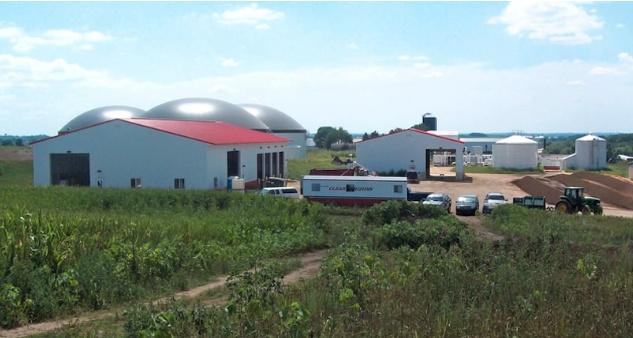
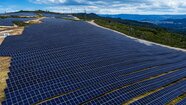
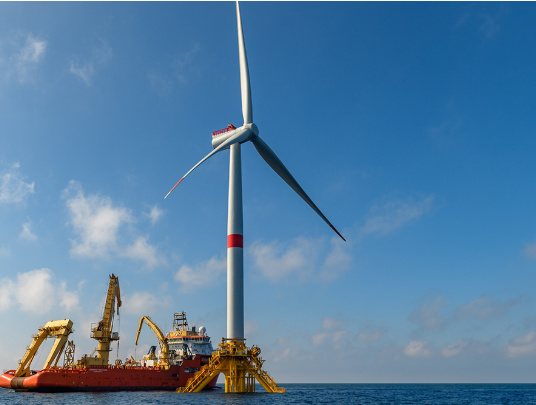
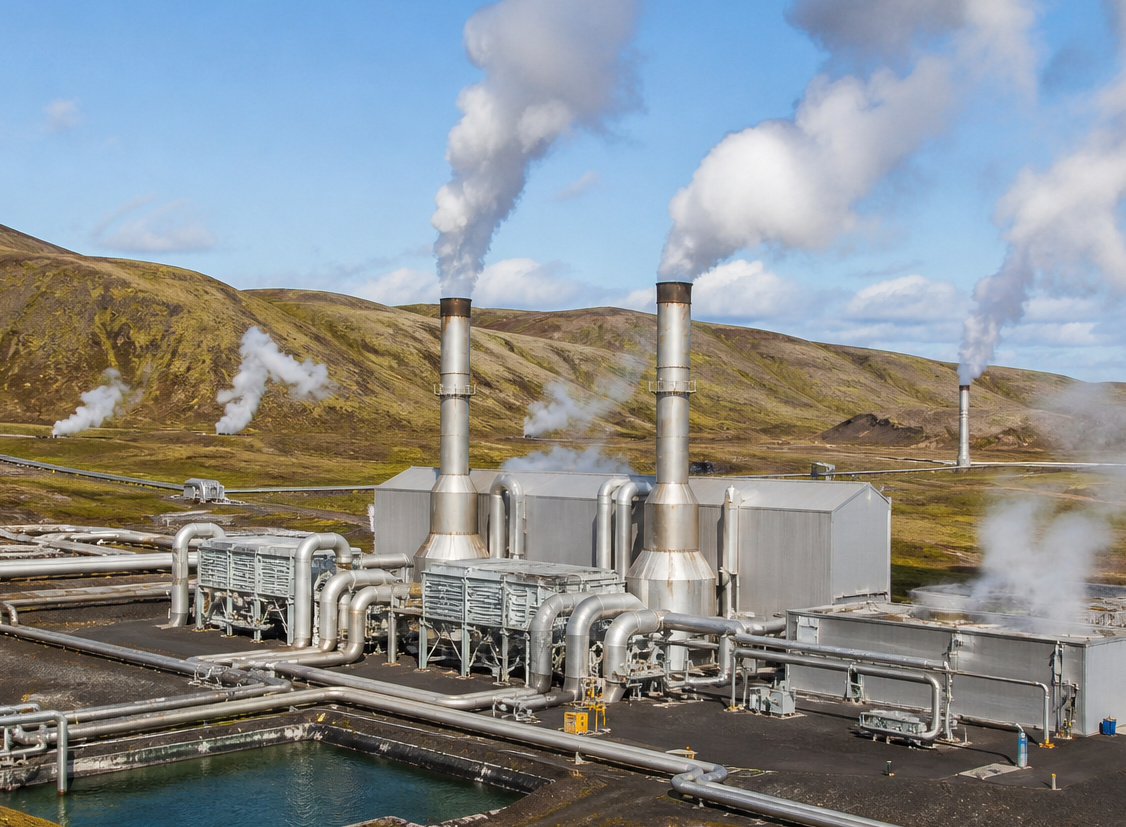
Renewable energy or clean energy comes from natural sources that replenish faster than they are consumed. Common sources include the following:
Fossil fuels, such as coal, oil and gas, take millions of years to form. When burned, they produce harmful emissions, which account for almost 90% of all CO2 emissions and over 75% of greenhouse gas emissions worldwide.
Producing renewable energy also generates emissions, but they are never as high as those from fossil fuels. For example, the activities involved in constructing wind turbines will create greenhouse gases, but they will not have operational emissions.
Clean Energy is Cheaper, Safer and More Sustainable
Sources of renewable energy are available in all countries, and depleting them is almost impossible. Harnessing them removes the need to import fossil fuels, which gives countries opportunities to diversify their economies. Consider how wind and solar energy are more cost-effective than the cheapest fossil fuels worldwide.
Also, unlike fossil fuels, clean energy does not generate pollution associated with life-threatening health conditions and seven million premature deaths annually.
Renewable Energy for Agriculture and Food Systems
Using clean energy to power food processing, transport and storage can significantly reduce greenhouse gases. However, replacing non-renewable energy with clean energy is not enough to achieve net-zero emissions. Energy use must be reduced altogether.
Energy systems powered by clean energy would require changes in their grid and storage infrastructure to operate efficiently. They must also account for the source’s availability and the ability to “harvest” it. Also, when using decarbonized energy systems, it is necessary to reduce the demand for energy and shift when and how it is used.
Regenerative Agriculture for Soil Conservation
Regenerative farming involves using holistic agricultural practices that run on several principles:
Most regenerative agriculture principles revolve around improving soil quality, from fostering nutrients through plant diversity to nurturing root systems for stability. When applied on a global scale, these efforts can reduce the effects of soil degradation.
How Regenerative Farming Fights Climate Change
Regenerative farming reduces the need for agricultural practices that produce greenhouse gases. For example, it can eliminate the need for fossil fuel-based fertilizers and pesticides, as increasing plant diversity naturally improves soil fertility and pest resistance.
Practices that improve water retention, like cover cropping, remove the need for irrigation and its associated fuel and energy consumption. They also capture and store carbon dioxide, reducing the amount of emissions in the atmosphere. Moreover, farms with enhanced biodiversity can better survive environmental stresses and thrive afterward.
A Two-Pronged Solution for Long-Term Sustainability
Soil degradation and pollution are problems that build on each other. Soil degrades due to intensive practices that generate greenhouse gases, while efforts to reverse the degradation, such as using fertilizers, also contribute to pollution.
Achieving long-term sustainability will require significant changes in how food systems work. Adopting renewable energy and regenerative agriculture are great starting points.