

When disasters strike, public expenditures surge to address emergency response as revenue streams collapse, creating a financial squeeze that forces borrowing at the worst possible time. Research shows these events can increase government spending by 15% and reduce revenue by roughly 10% over the five years following a major disaster. Meanwhile, deteriorating credit ratings drive up costs precisely when recovery funds are most needed.
The financing challenge extends beyond immediate disaster response. Emerging markets, excluding China, require an estimated $1.9 trillion annually by 2030 to meet basic adaptation targets, yet fiscal space for long-term resilience planning has tightened due to recent global disruptions.
Temperature increases compound the problem through direct economic losses. For example, for a median developing economy, a 1° Celsius increase in temperature can trigger a 2% decline in output. Without significant adaptation funding, roughly one in five emerging markets face debt distress.
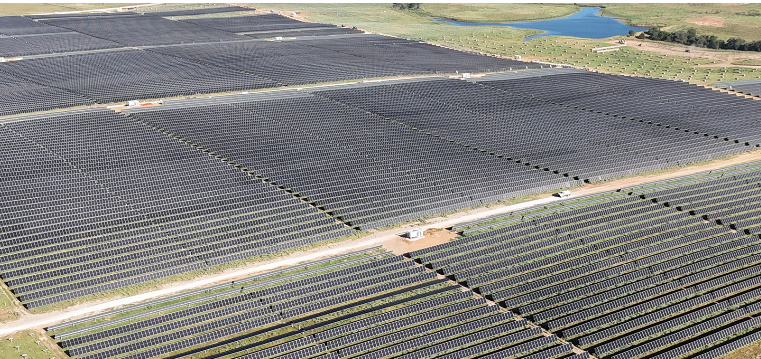
Wealthy countries avoid sovereign borrowing traps by relying on commercial markets to absorb losses from extreme weather events. Meeting Paris Agreement temperature goals requires a yearly infrastructure investment of $6.9 trillion by 2030, with most of that spending flowing into wind farms, solar arrays and related transmission systems.
Countries with established climate insurance frameworks can transfer these risks from public balance sheets to private carriers, protecting major deepwater installations from storm damage or operational failures without forcing taxpayers to fund emergency bailouts.
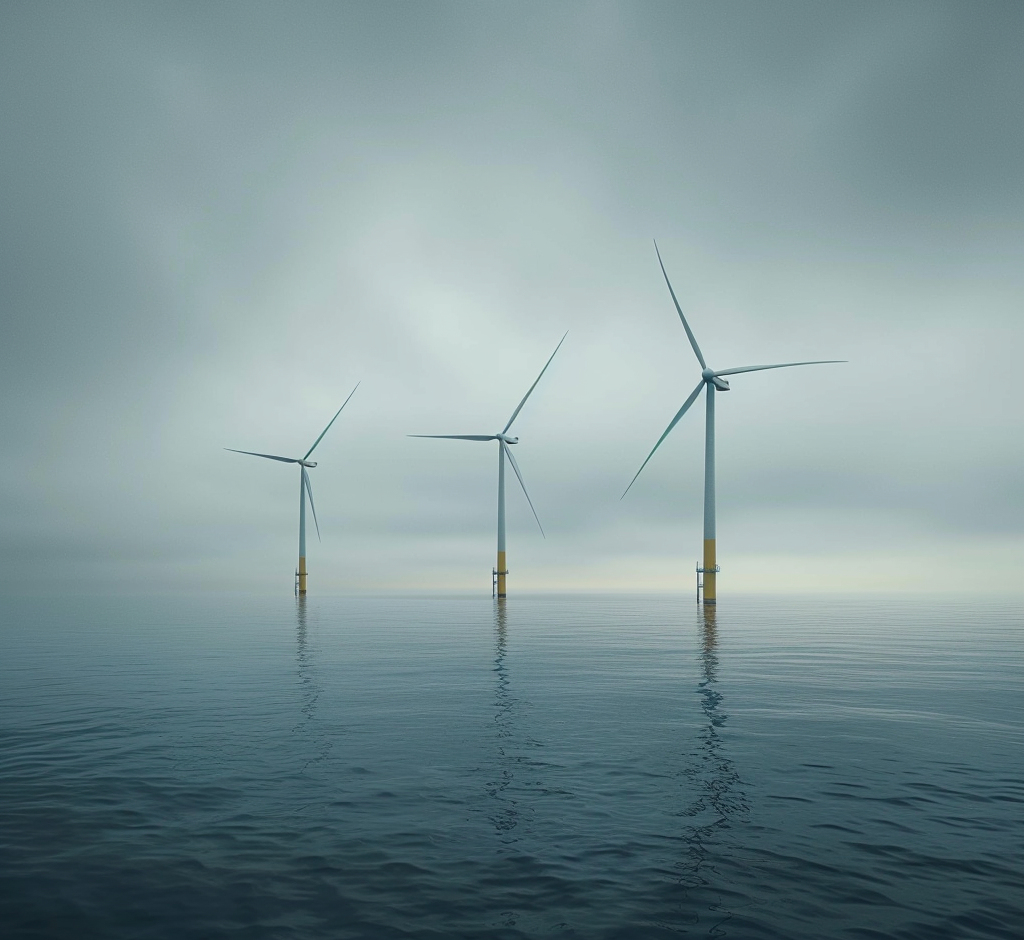
Offshore renewable development has grown substantially in recent years, but economic volatility, supply chain breakdowns and construction delays have transformed these engineering endeavors into serious financial challenges. Since the end of 2020, project costs have risen 50% as material shortages, labor constraints and inflation have affected virtually every input category.
Specialized ships needed for marine installations are in limited global supply, creating a particularly acute bottleneck in vessel availability. The Coastal Virginia wind farm illustrates how budgets can expand even after reaching 81% completion, with its total price tag now at $11.65 billion due to vessel delays and tariff changes. It clearly demonstrates how external factors can derail financial projections late in the development cycle.
Cost overruns and schedule disruptions flow downstream to the construction firms actually building wind farms and related facilities. They inherit the financial strain of tighter margins while navigating increasingly stringent risk management requirements as losses mount across the industry. Four specific challenges dominate concerns among builders:
Navigating complex marine and energy liability risks: Work at sea combines maritime exposures with power sector hazards, creating overlapping protection needs that standard policies don't address.
Meeting strict contractual insurance requirements from project owners: Developers demand specific limits and policy structures to protect their investments, leaving builders to secure protection that satisfies both their own needs and owner mandates.
Securing coverage in a limited or expensive commercial insurance market: Carrier appetite for ocean-based energy risks has tightened as losses accumulate, driving up premiums and reducing available capacity.
Finding a specialized agency that actually understands offshore contractor exposures: General commercial agents often lack the technical knowledge to structure appropriate protection for maritime energy work, leaving builders with gaps or unnecessary overlaps.
Securing specialized coverage for deepwater operations has become more challenging as market capacity tightens and costs rise. Bowen, Miclette & Britt Insurance Agency, LLC specializes in offshore operations coverage and maintains relationships with carriers experienced in maritime energy work. Industry-standard policies for this sector include:
Maritime Employer Liability: Covers employer obligations for maritime workers
United States Longshore and Harbor Workers' Compensation (USL&H): Addresses dock and harbor worker injuries
Jones Act protection: Covers seamen injured in the course of employment
Hull and Protection and Indemnity: Protects vessels and third-party liabilities
Firms working in marine environments also need pollution liability coverage for spills or contamination. It addresses cleanup expenses, third-party claims and legal defense. According to BMB's energy insurance specialists, "Energy companies and contractors may need it when operations involve fuels, chemicals, produced water, drilling fluids, or other environmental exposures, especially when required by contract."
The following questions address common concerns builders raise when evaluating their risk management needs and agency options.
Core maritime exposures require Maritime Employer Liability, USL&H, Jones Act protection and Hull and Protection and Indemnity policies. Pollution liability becomes essential when work involves fuels or chemicals, particularly in projects with strict contractual requirements.
Agency experience with maritime builder exposures matters, as do relationships with carriers that write ocean-based energy risks. The ability to review contracts and identify mandated protection types becomes critical, along with access to multiple carrier markets that provide options when capacity tightens.
Agencies need detailed information about operations, project locations, vessel usage and existing policies to approach carriers effectively. They use this data to negotiate terms that align with both builder and owner requirements.
Operational details like project scope and geographic work areas provide a foundation for pricing. Workforce data, such as employee counts and classifications, helps build the full picture alongside vessel information, revenue projections and contract specifications that determine final premium calculations.
The contrast between developing nations trapped in post-disaster borrowing cycles and wealthy countries building massive insured renewable portfolios will likely widen without intervention. Markets for climate insurance enable advanced economies to pursue adaptation at scale as emerging markets struggle to finance even basic resilience measures. That disparity shapes global emission trajectories and the economic stability of the builders executing this transition.