
Adoption rates across the continent remain dramatically uneven. European households could save approximately 2,602 euros over a 10-year period by switching from gas boilers to heat pumps assuming electricity prices remain at maximum double the cost of gas, according to a new analysis by Daikin Europe.
However, misaligned taxation makes potential savings evaporate overtime.
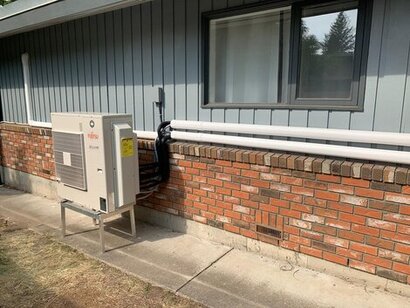
The data is unequivocal: fiscal policy is the primary driver behind Europe's vastly different heat pump adoption rates. Heat pumps operate on electricity and achieve their efficiency by transferring thermal energy from the outside air or ground rather than generating heat through combustion. With up to 75 percent of the heat coming from free, renewable ambient sources, they can deliver significant household savings, but only when electricity taxation allows their economic advantages to materialise.
“When electricity prices remain at roughly double the cost of gas, such as in France, heat pumps' superior efficiency can overcome both the remaining cost gap and the higher initial investment, creating viable economics and driving solid market growth” said Patrick Crombez, President of EHPA and General Manager Environment Research Centre at Daikin Europe. “In such countries, you see that these investments become feasible and a solid market emerges.”
Yet despite this clear financial advantage, adoption rates across Europe remain drastically uneven. The primary culprit: electricity taxation policies that actively discourage the transition. Recent EHPA analysis reveals that countries taxing electricity more heavily (three to four times higher) than gas create a significant disincentive for households to switch, even when the long-term savings are substantial.
“The pattern is clear: countries with favourable electricity taxation see strong heat pump adoption, while those taxing electricity heavily lag behind” added Mr Crombez. “Belgium, where electricity costs nearly four times more than gas due to the tax structure, has seen heat pumps capture just 14.7 percent of the heating market. The recent tax adjustment for 2026 is a positive first step, but across Europe we need fiscal policy that reflects our climate ambitions, not outdated energy assumptions. Investing in a heat pump is investing in technology of the future and will benefit a household’s energy bills in the long run.”
Norway dominates with 632 heat pumps installed per 1,000 households and the highest per-household sales rate in Europe at 48 units per 1,000 in 2024. Finland follows with 524 installations per 1,000 households, while Sweden has achieved one of the highest heat pump adoption rates in Europe by heavily taxing fossil fuels and keeping electricity taxes low.
Belgium has one of the highest electricity-to-gas price ratios in Europe, with electricity costing nearly four times more than gas for households due to higher taxes and levies, resulting in heat pumps capturing just 14.7 percent of the space heating market. Similarly, the UK sold just 3.5 heat pumps per 1,000 households in 2024 (14 times fewer than Norway) with a total installed stock of only 19 per 1,000 households, though recent growth signals potential for improvement.
For additional information: