
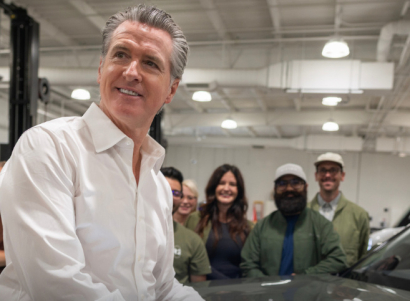
"As the world’s fourth-largest economy, California is keeping its foot on the accelerator, cutting pollution, creating good-paying jobs, and breaking Big Oil’s grip on Californians’ wallets. California is taking the wheel: putting more zero-emission infrastructure on the ground in more communities so every Californian can fuel up and keep moving forward," said Newsom.
The investment, approved by the California Energy Commission, outlines how its Clean Transportation Program investment plan will support $95.2 million in the current fiscal year, with projected allocations through 2028-2029. Since 2008 the program has made significant progress in ZEV infrastructure build-out through grant-focused investments totaling more than $2.7 billion.
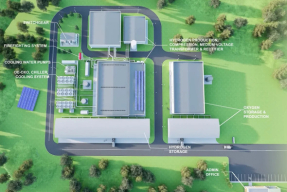
The recent approval allocates funding towards the following categories:
At least 50% of program funds must go toward projects that benefit or serve low-income Californians and residents of low-income and disadvantaged communities. As of March 2026, more than 62% of Clean Transportation Program and supplemental funds have gone to projects in disadvantaged or low-income communities.
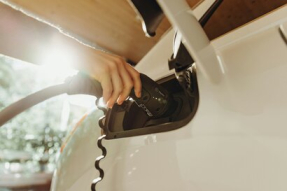
Thanks to continued investments, like the annual Clean Transportation Program Investment Plan, California now has 216,445 publicly available and shared EV charging ports across the state. Earlier this year, California surpassed 20,000 DC fast chargers, easing range anxiety for both short trips near home and long-haul travel along California’s major transportation corridors. DC fast chargers offer substantially faster charging speeds, and continued advances in vehicle and charger technology have achieved even faster speeds.
California’s growing number of publicly available EV chargers can be found at locations that are fully publicly accessible, like grocery stores, park-and-ride lots, and even gas stations, whereas shared chargers can be found at workplaces, doctors’ offices, sports facilities, and other parking areas that may have some level of restricted access. This statewide network of public and shared chargers is in addition to the estimated 800,000 EV chargers installed at residential homes.
The recent investment builds on the momentum from earlier this month, when Newsom announced instant rebates for Californians buying their first zero-emission vehicle through the MyFirstEV program. Together, the two announcements tackle both halves of the equation: making ZEVs more affordable to buy, and making sure Californians have somewhere to charge or fuel up once they do.