
By covering up to 45% of project costs, the funding will help accelerate construction, reduce upfront expenses, and allow several projects to expand their scope to reduce pollution.
“Every dollar we invest in upgrading our public buildings is a dollar that improves public health and helps lower long-term costs for taxpayers,” said Governor Maura Healey. “These projects will replace aging fossil fuel systems with cleaner, more efficient technologies that reduce pollution, protect against rising energy costs and ensure our colleges and state facilities are built for the future.”
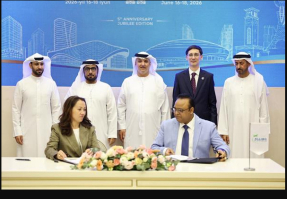
The announcement was made during a celebration of the grant recipients at UMass Dartmouth. Energy and Environmental Affairs (EEA) Secretary Rebecca Tepper, Department of Energy Resources (DOER) Commissioner Elizabeth Mahony, and UMass Dartmouth Chancellor Mark Fuller attended the ceremony to celebrate the grants, which will lower project costs and cut pollution from buildings across the state.
The grants were awarded under DOER’s Leading by Example Decarbonization Implementation Grant Program. The program helps state agencies and public colleges and universities replace fossil fuel equipment with cleaner technologies, advancing the greenhouse gas reduction goals established under the Leading By Example Executive Order.
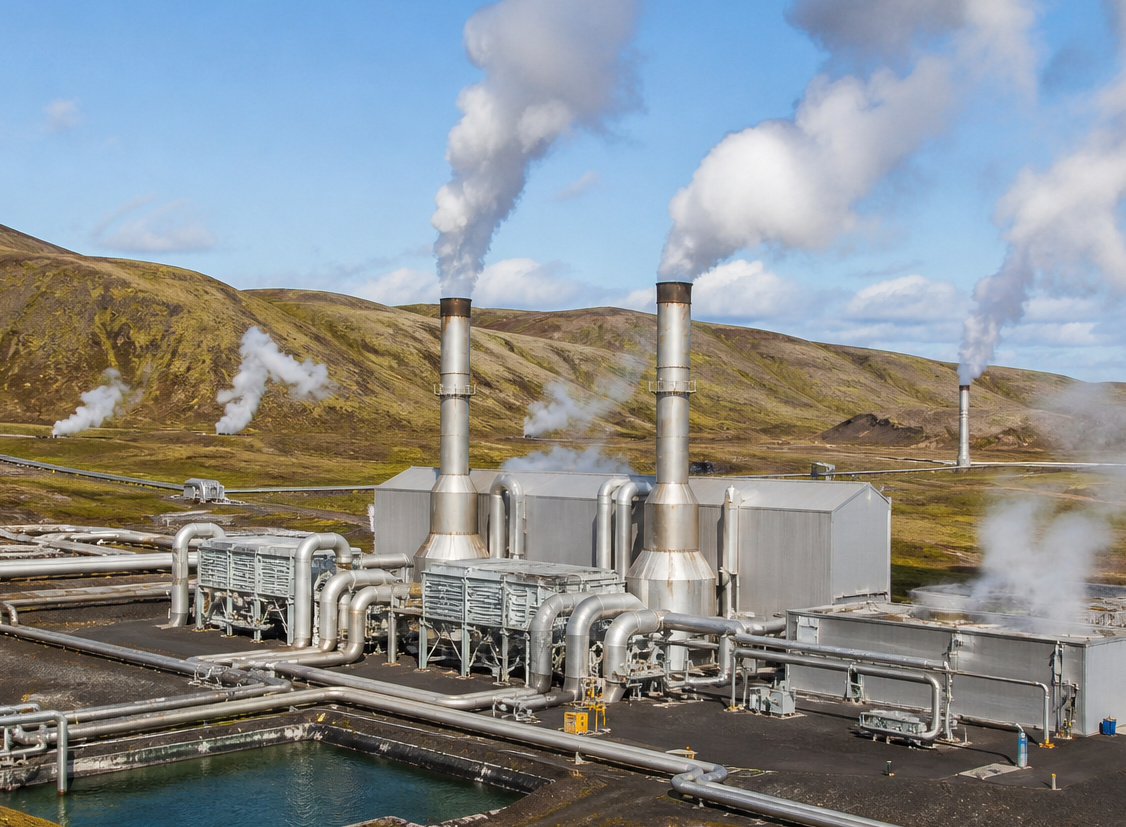
“We are proud to work with our partners across state government and higher education to help fund projects that upgrade our buildings to the latest, highly efficient clean energy technologies,” said Department of Energy Resources Commissioner Elizabeth Mahony. “These innovative projects, including geothermal systems and using waste heat from existing facilities, will reduce long-term energy use, slash utility costs and cut pollution across Massachusetts.”
Together, the projects are expected to reduce annual GHG emissions by approximately 21,000 metric tons, or 625,000 metric tons over the projects’ lifetime. That is equivalent to the emissions from consuming more than 1.4 million barrels of oil or driving roughly 145,000 gasoline-powered cars for one year.
UMass Amherst was awarded $7.35 million to support the installation of a 5 megawatt industrial heat pump at the campus’s Central Heating Plant. The electric powered heat pump will use waste heat from the existing power plant to produce low-pressure steam, resulting in annual on-site GHG emission reductions of almost 10,500 metric tons starting in 2028, more than 12% of total campus emissions. There are fewer than two dozen of these industrial heat pump systems installed across the United States, putting UMass Amherst at the forefront of a growing field.
UMass Boston was awarded $5.3 million to support the initial phases of a campus-wide decarbonization plan that will ultimately reduce the campus’ natural gas consumption and associated GHG emissions from fossil fuels by more than 50%. The DIG grant will enable UMass Boston to replace central power plant natural gas boilers with three electric heat shift chillers that will use an existing Sea Water Pump House to both cool and heat the campus. DIG funding will help triple the impact of the original project design and accelerate the campus’ on-site fossil fuel emissions reduction plan by more than 15 years, resulting in on-site GHG emission reductions of 7,500 metric tons annually starting in 2029.
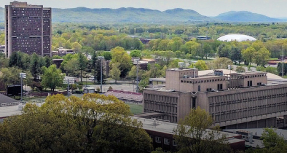
UMass Dartmouth was awarded $1.1 million to establish a new connection to the campus Auditorium building from the geothermal system currently being installed at the Liberal Arts and Sciences (LARTS) building. This connection will take advantage of the excess heating and cooling capacity of the LARTS system. The new connection leverages work underway to expand the project to a new building, maximizing efficiency and making the project more cost-effective. The project will reduce fossil fuel use at the auditorium by 50% and eliminate an estimated 88 metric tons of fossil fuel GHG emissions each year.
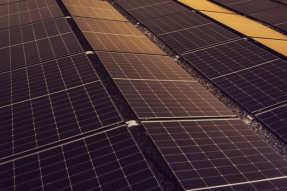
DCR was awarded three grants totaling $1.89 million for projects at three public recreation sites. A grant of $997,183 for Southwest Corridor Park HQ in Jamaica Plain (Boston) will partially fund a comprehensive energy retrofit. Energy efficiency measures include installation of continuous insulation to the exterior walls and roof, increasing wall insulating performance by 1,000% and roof insulation value by 200%. The project also includes a 100 kW of rooftop solar system, low embodied carbon building materials, and conversion of the building’s heating system from electric resistance heating to air source heat pumps. The project will result in an 84% reduction in electricity use and cut annual GHG emissions by 51 metric tons.
A $463,179 grant for the Reilly Rink in Brighton will replace the existing natural gas fueled heating and hot water system with a highly efficient, cold climate Variable Refrigerant Flow system. Combined with an energy recovery ventilator and 16-ton roof-mounted split heat pump, the system will reduce use of fossil fuels for heating and hot water at the site by over 95%, or 121 metric tons of GHG emissions each year.
A $428,754 grant for the Bajko Rink in Hyde Park will replace its natural gas hot water heating system with a heat recovery air source heat pump and energy recovery ventilator, resulting in an estimated 95% reduction of on-site GHG emissions, or 188 metric tons per year. Reilly and Bajko Rinks are the largest consumers of fossil fuels in the DCR rink portfolio, and these projects will serve as proving grounds for future decarbonization efforts at other rinks.
DCAMM was awarded $7.5 million to support large-scale geothermal projects at the Massachusetts Maritime Academy (MMA) and Salem State University (SSU), with plans to use funds for a similar project at group homes managed by the Department of Developmental Services. DIG funds will be used to support the first phase of work at MMA and SSU, which will connect several buildings on each campus to the geothermal system, while enabling the project to build out the geothermal wells and lay the foundation for future decarbonization across much of the campuses. Ultimately, these two projects will reduce on-site fossil fuel emissions by at least 50% and reduce annual on-site GHG emissions by more than 2,500 metric tons combined.
The Leading by Example Program helps state agencies and public colleges and universities advance clean energy initiatives to support Massachusetts’ long-term climate and environmental goals. By demonstrating leadership within state government, LBE strives to empower residents and businesses to take action to collectively address the energy and environmental challenges facing the Commonwealth.