
The report, Rise of Renewables in the Gulf Region, unveiled today at the World Future Energy Summit, shows that variable renewable capacity in MENA is set to grow around tenfold by 2040 — and continue rising through 2060 — even as the region remains a major oil and gas producer.
Renewables are expected to become a central source of electricity supply in the coming decades. By 2060, electricity is expected to meet 35% of total energy demand in the region, with most of that electricity generated from renewables. Solar and wind together are projected to generate about 85% of electricity by that time, with solar accounting for about 45% and wind about 40%.
“The rapid rise of renewables in the Gulf, and MENA more broadly, is not replacing hydrocarbons overnight, but it is reshaping the power system,” said Ditlev Engel, Energy Systems CEO at DNV. “GCC countries are building some of the world’s largest solar and storage projects while still supplying global oil and gas markets. This development is driven mainly by economics. Renewables now provide low-cost electricity, and clean power is becoming necessary for competitive industry and future hydrogen production.”
Mega projects and new electricity demand are accelerating growth
The report finds that growth is driven by both increased renewable supply and new electricity demand. Large renewable power projects are multiplying across the region, including very large solar plants, solar-plus-storage facilities, and new wind developments. Electricity demand is rising in sectors such as data centres, electric mobility, and green hydrogen production, while existing industries are increasing their use of low-carbon power in response to policies such as the European Union Carbon Border Adjustment Mechanism.
The report notes that a key shift is expected around 2040. At that point, annual growth in renewable electricity is projected to exceed annual growth in total electricity demand, leading to a steady increase in the share of renewable electricity in the overall mix.
Solar leads, while wind and storage start to scale
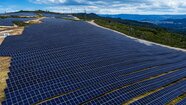
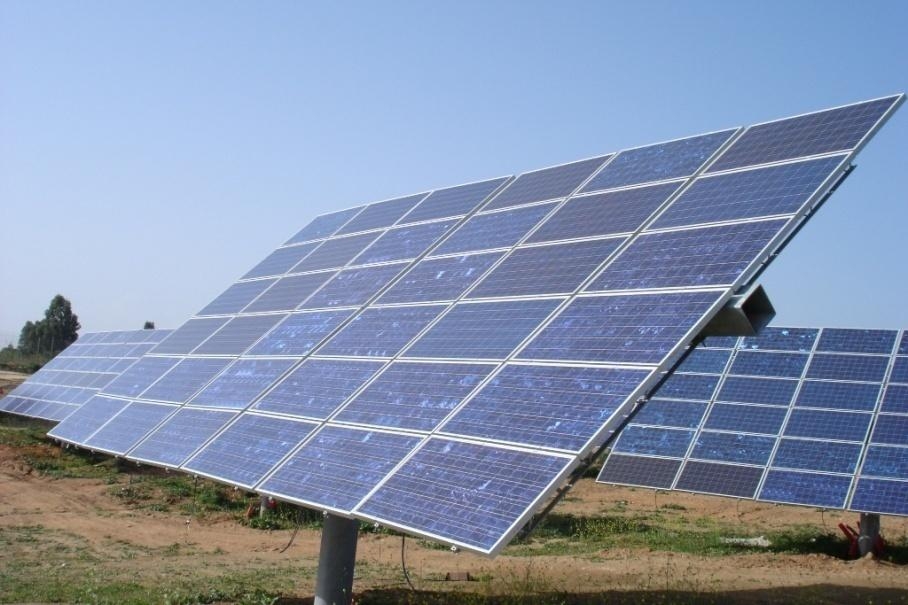
Solar power remains the leading renewable technology in the region. Installed solar capacity is projected to increase from 76GW in 2024 to 340GW by 2029. By the end of the decade, solar is expected to supply close to one-fifth of all electricity. The share of projects combined with battery storage is also expected to rise as developers seek round-the-clock supply and greater system flexibility.
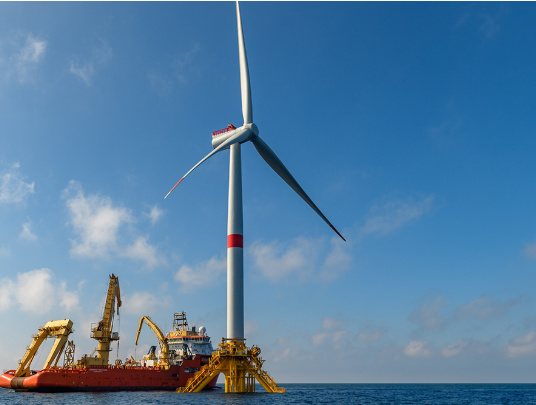
Wind power, though starting from a smaller base, is expected to triple in each decade from 2020 to 2060.. Wind generation patterns complement solar output, with higher production at night and during seasonal wind periods, especially when combined with storage.
Taken together, the report forecasts that solar and wind generation in MENA will increase about fourteen-fold by 2040, alongside a ten-fold rise in installed capacity.
Storage and system flexibility will be decisive
The report finds that energy storage capacity in the region is projected to soar from about 36GWh today to almost 9,500GWh by 2060. Batteries will increasingly replace thermal power plants as the main source of short-term flexibility. Regional interconnections will also support system balancing and electricity trade as renewable shares increase.
The findings in the renewables report sit alongside insights from DNV’s 2025 Energy Industry Insights survey, the company’s annual global outlook based on responses from energy executives across regions and sectors. In that survey, the Middle East emerged as the most optimistic region in the world about the prospects for the energy industry.