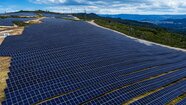

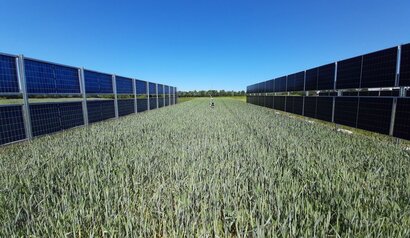
In Sicily, Elgin plans to develop a 30 MW agrivoltaic plant equipped with a 30 MW BESS (Battery Energy Storage System), which will help stabilise the energy fed into the grid. Thanks to an elevated modular structure and monitoring technologies, the plant will minimise soil impact while optimising existing agricultural activities, enhancing the productive potential of the area while generating sustainable energy.
The second project is in the Lombardy region, where Elgin will propose a 130 MW agrivoltaic plant built on rice fields. Through digital control systems and careful land management, the plant will combine energy efficiency, agricultural continuity, and protection of the local ecosystem, fully complying with the latest national agrivoltaic guidelines.
“These two plants mark an important milestone in Elgin’s strategy in Italy, where we aim to develop more than 3 GW of projects by 2030” said Dermot Kelleher, CEO of Elgin. “They demonstrate how clean energy generation, land stewardship, and active agricultural use can work together effectively. We will continue to invest in projects that deliver real value to local communities, supporting Italy’s decarbonisation targets, and help lower electricity costs, which remain the highest in Europe.”
In addition to supporting renewable energy targets at national and European levels, the two projects will contribute positively to the economic development of the regions involved.
During construction, the projects will rely on local contractors and suppliers, supporting businesses and creating jobs.
Once operational, they will require roles in maintenance, agronomic management, and digital monitoring. Their agrivoltaic design will also give local farmers an additional source of income, supporting long-term rural development.
For additional information: