

There were 210,000 installations in the UK between January and June 2026, up 17 percent on the previous highest start to a year in 2025 and equivalent to one installation every 74 seconds.
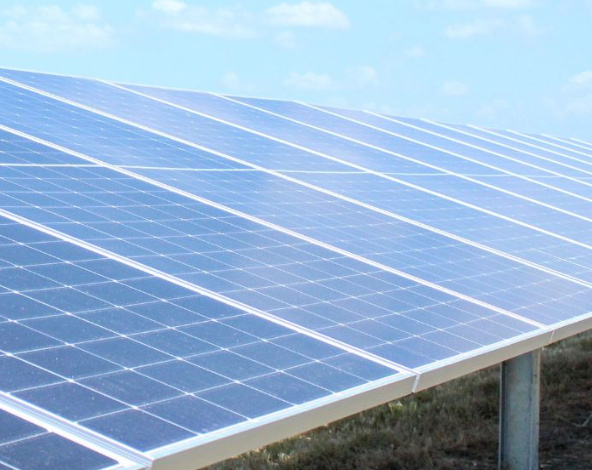
Solar panels were the biggest driver, with almost 150,000 certified installations – a 14 percent increase on last year’s record. It took nearly 15 years for solar to break its long-standing annual record, and it’s now set to be broken two years running.
Battery storage installations have also risen sharply, almost doubling the number for the same period last year with 36,000 MCS certified installations in 2026 so far. This means last year’s annual record of 40,000 installations has almost been surpassed in just six months.
MCS data shows a growing trend in combining multiple technologies in a single home. One in three installations in 2026 were either delivered onto a home that already had an MCS certified renewable or were part of an installation that combined more than one technology. For example, it is becoming increasingly popular to pair battery storage with other technologies, with 92 percent of battery installations so far this year going onto properties with solar panels.
“More and more households are gaining confidence in the benefits of home-grown energy, and the fact that many are now investing in multiple technologies is testament to this” said Lisa Cooke, Managing Director at MCS. “As energy markets continue to be influenced by global events, we’re seeing more households than ever before turn to renewables and put their trust in MCS certified businesses. With this rising demand, MCS’s evolving role as not just a standard setter, but also a consumer protection body, is more important than ever. We take our role seriously, and that’s why we’ve redeveloped our Scheme and set new rules under which every installer will have to operate by 31 March 2027. This includes a higher level of financial protection and a legally binding commitment to adhere to consumer protection law. We remain committed to raising standards across the sector to give everyone the confidence they need to make the move to home-grown energy.”
Heat pump installations, however, were 17 percent lower than the first half of 2025. With three quarters of heat pump installations funded by government programmes such as the Boiler Upgrade Scheme (BUS), it highlights the important role these schemes play in helping households access low-carbon heating.
Households with oil or LPG-heated properties can now access an increased BUS grant of £9,000 to support them to make the switch, and the Warm Homes Plan set out the Government’s commitment to further support to a wider range of homes including through Government-backed loans.
The new build market is also contributing to the growth in numbers, with 25 percent of installations in 2026 on new build properties. This is a particularly strong market for solar, with the latest available data for new homes (which covers the opening quarter to 2026) showing an estimated 59 percent were fitted with MCS certified solar panels, as the sector prepares to deliver the Future Homes Standard.
“While energy costs continue to hit the headlines, it is no surprise that so many more homes are having solar panels and battery energy storage fitted” said Chris Hewett, Chief Executive of Solar Energy UK. “They slash bills and installations are quick and simple to complete. Moreover, every solar home helps to push gas off the grid, cutting bills for us all.”
For additional information: