
Sustainable architecture is any building plan that prioritizes the environment throughout the life cycle of the structure. Every choice made from planning through construction is in the best interest of the planet. While construction teams may use the approach to reduce their sector’s carbon footprint, property owners also prefer it for its many long-term benefits.
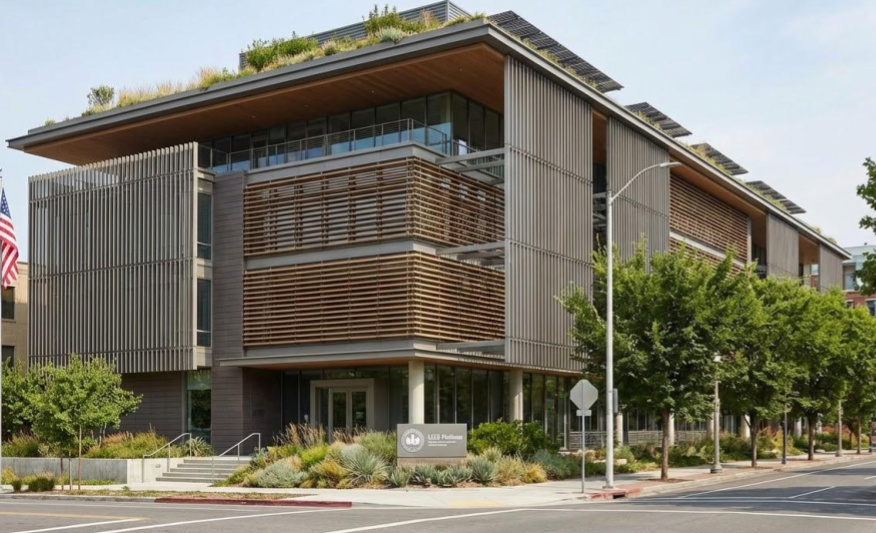
The U.S. Green Building Council set goals to develop the Leadership in Energy and Environmental Design (LEED) certification and pilot tested LEED lights for new construction in 1998. Since then, the demand for LEED-certified buildings has generated a new global design approach.
There are numerous ways to develop eco-friendly floor plans, but every choice should center around three basic design pillars. Once people know what the pillars represent, green designs will be much easier to understand.
Electric lighting makes any structure’s carbon footprint bigger. Many buildings connect to the power grid, which gets its electricity from facilities that consume fossil fuels. Sustainable buildings rely more on natural light. The builders may construct the building to face in a specific direction to allow the maximum amount of sunlight through most windows.
Utilizing natural light enables occupants to enjoy the brighter lighting without using any electricity. Learning to balance the light exposure with shading is key to creating comfortable, sustainable buildings. Shade can reduce energy costs by preventing a building from warming up. Expertise in sustainable design and construction will inform how they balance sun exposure and available shade on any property.
Material selections for new builds and renovations are essential for any sustainable property. Instead of selecting the most economical materials available for new projects, construction or design teams research the origins of any given material. They evaluate the environmental impact of harvesting the material and its long-term use.
Green building materials that do not take natural resources from the environment are excellent options. Products that do not contribute to pollution during manufacturing or use are often the best choices for eco-friendly buildings as well. Some people may also prioritize manufactured components, such as luxury vinyl flooring, depending on the material's environmental impact.
Expert designers and builders can measure a project’s carbon footprint by estimating the emissions generated from each material during the manufacturing process. When added to the amount of emissions created to ship the material and build the new structure, any property’s starting footprint becomes clear.
The property owners can then use the built-in sustainable features to keep their footprint small and potentially get a higher return on investment if they decide to sell. Energy-efficient building designs can even increase a property’s value because owners know they will save money and reduce carbon emissions.
Here are a few examples of what sustainable design looks like when professionals use it for properties.
Wood is largely produced through deforestation because trees take so long to reach maturity. Bamboo is an excellent alternative that sustainable designers might select while renovating or building a structure. Moso bamboo can grow 114.5 centimeters per day, which is much faster than traditional trees. The bamboo replenishes itself quickly, making it an eco-friendly option.
Bio-based materials like hempcrete might also be an option for floor plans, establishing embodied carbon buildings. The hempcrete absorbs carbon from the atmosphere, supporting the planet without compromising the property’s structural integrity.
Using as much natural light as possible is much easier when buildings or other properties face the sun. Windows oriented to the east capture sunlight for most of the morning, gently illuminating without requiring more electricity.
Structure may also face west if builders find that the property’s location receives the most sunlight during the day from that direction. The future owners may even find that they can install photovoltaic panels to capture more light from their passive solar design choices.
Designers may recommend that property owners use passive shading techniques to reduce energy costs. If a building receives less sunlight, its interior spaces will stay cooler in summer. Awnings and large trees reduce the frequency with which an HVAC unit needs to turn on to cool the building. People living in regions with high temperatures and minimal rain may prefer a passive shading system as part of their sustainable property.
If the property owners have to plant new trees on a recently cleared plot, they can also select species native to the surrounding biome to better support the local ecosystem. They will actively restore part of the natural environment, making their property better for the planet. The additional tree roots could even prevent water runoff from ruining the soil composition that feeds nearby plants.
People who want to help the planet with their building projects can enjoy additional benefits. They get the peace of mind that comes with living or working in a space that aligns with their values. Property owners also gain:
Property owners may sell their building one day for more than they initially invested because sustainable design is becoming increasingly popular. The numerous benefits make sustainable builds an appealing option for those designing new buildings or renovating existing structures.
Sustainable design is worth considering for anyone concerned about the environment. Buildings can have minimal carbon footprints through thoughtful design and construction approaches from experienced professionals.