
The new technology enhances the performance of electric vehicles, trucks, defence drones, and space and electric aviation in cold weather, where traditional lithium-ion batteries decline. Some of the benefits of the new architecture include extended mission capabilities, increased usability range, faster charging, and overall enhanced performance in low temperatures.
Enhanced battery performance will open the way for companies to expand to new markets, applications and widen activity in places and sectors where this was not formerly possible. Traditional batteries that decline at low temperatures create costly and complex limitations. Batteries at low temperatures in electric vehicles provide less usable energy, while the vehicle consumes more energy for cabin heating, battery heating, and thermal preparation before charging. As a result, in severe winters an electric vehicle can lose up to an estimated 40 percent of its range.
Electric semi-trucks require tremendous power from the battery since a loaded truck carries substantial weight and drives at a consistently high speed on the highway; reduced power from cold weather could demand reducing the payload or avoiding routes in the winter. Additionally, freezing conditions can shorten defence drones' mission time, reduce operational radius, and limit the power available for launch and manoeuvring.
For space missions, keeping batteries at the right temperature in cold conditions requires heater energy, thermal hardware, and additional stored energy. Reducing the battery’s heating requirement can create benefits across the complete spacecraft power system, including the battery, solar array, and launch mass.
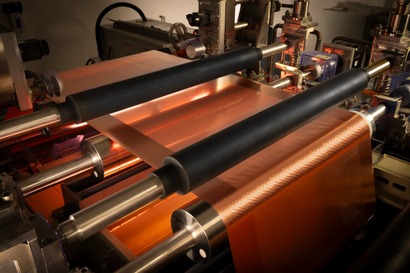
Addionics Smart 3D Porous Current Collectors change the internal transport architecture of the battery. The porous structure allows electrolyte and lithium ions to move through the current collector plane, creating additional access pathways throughout the electrode. This reduces effective transport distances, improves active-material accessibility, and distributes electrochemical activity across a larger volume. By improving how ions, electrons, and electrochemical reactions are moving inside the cell, the technology enables batteries to retain more of their intended performance when temperatures decrease.
“By transforming the architecture of the battery cell, Addionics is removing some of the largest limitations that electrified systems have faced” said Dr. Moshiel Biton, CEO and Founder of Addionics. “Batteries need to perform optimally in all locations and temperatures so that the products they power can be relied upon consistently. Addionics is at the forefront of making the once unachievable possible. We are enabling the always-on world to operate - all of the time, anywhere, even in the cold.”
Addionics continues to redefine battery performance through advanced architecture. The company collaborates with leading global companies across robotics and physical AI- related applications, including defense, space, automotive, energy storage, and next-generation industrial applications.
For additional information: