
The facility is a significant milestone in the buildout supporting New England's energy infrastructure and grid reliability. In February 2021, Cranberry Point was one of the first battery storage facilities to secure a Capacity Supply Obligation with the Independent System Operator of New England, or ISO-NE. At 150 MW / 300 MWh, Cranberry Point is helping the Commonwealth reach roughly a third of its goal to deploy 1,000 MWh of battery energy storage by 2025.
"Plus Power is proud to deliver this landmark facility for the Commonwealth and honored to contribute to power reliability, energy affordability, and emissions reduction in the region," said Alex Fraenkel, co-founder and executive vice chairman of Plus Power. "We look forward to being a model for ISO-NE on battery performance and an excellent neighbor for many years to come."
This utility-scale battery project absorbs excess energy when customer demand is lower and stores it for use during times of peak demand. As such, it will help balance intermittent resources, while also ensuring power reliability as AI and data center deployment, economic growth, and conventional power plant retirements rapidly put new pressure on the grid.
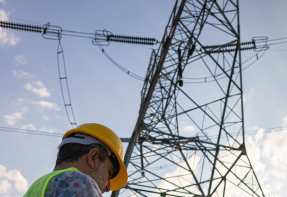
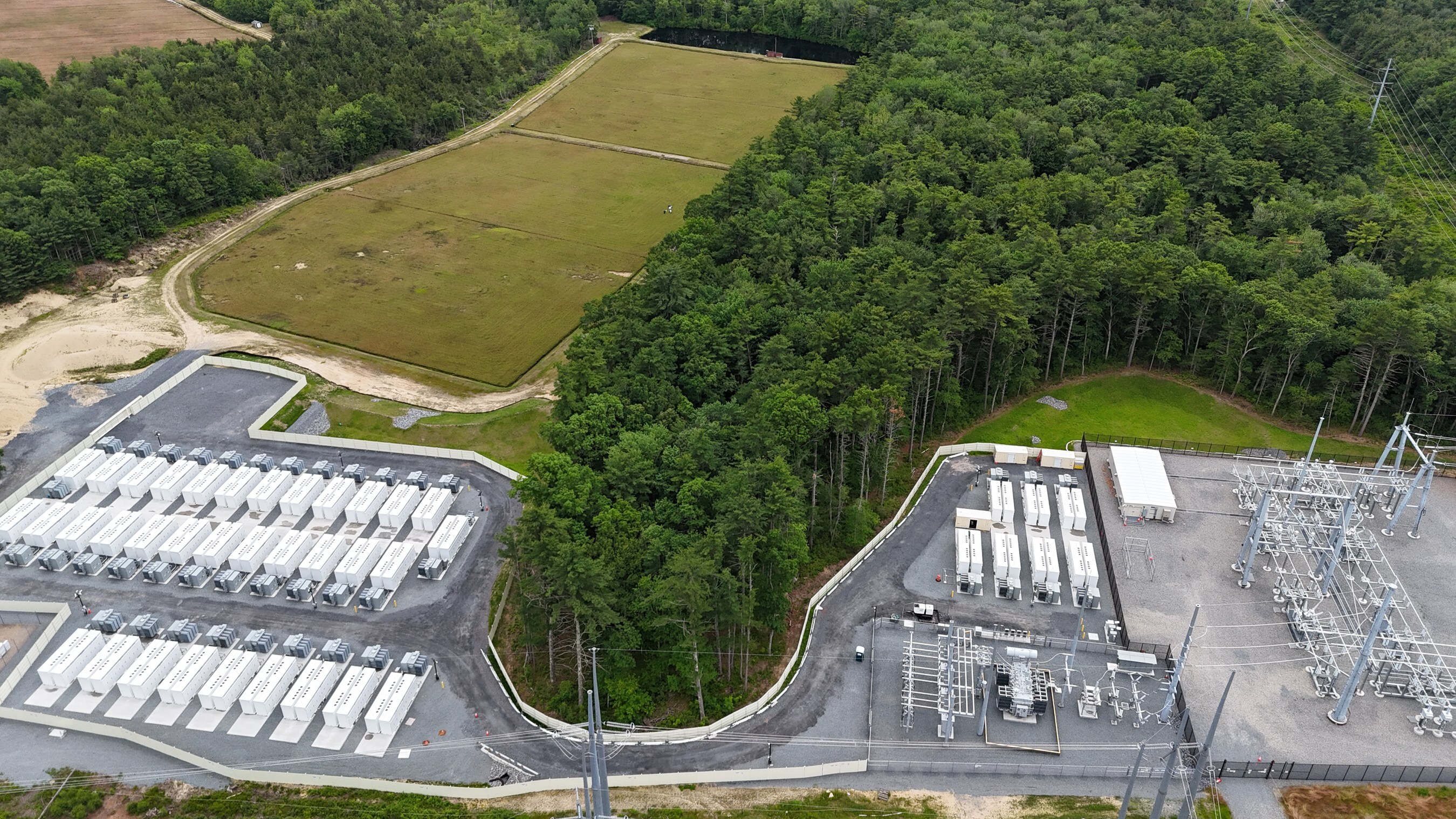
Located on roughly 6 acres of land, Cranberry Point interconnects adjacent to Eversource's Carver 115kV substation. The Carver substation connects to a critically important north-south transmission line between new energy resources and demand in Boston.
Cranberry Point features 82 Tesla Megapack 2 XL battery enclosures. Plus Power worked with Burns & McDonnell on engineering, procurement, and construction of the facility. Over the course of construction and commissioning, the project utilized 135 skilled workers spanning a variety of trade organizations from the region.
Cranberry Point is located in an energy transition area that has seen the retirement of the Pilgrim Nuclear Power Station and the Mystic Generating Station. Cranberry Point represents roughly 10% of the capacity of the Mystic combined cycle facility and can provide the same fully dispatchable services as a conventional power plant, but with a 250-millisecond response time, and without emissions or water use.
The facility is also designed to participate in the Massachusetts Clean Peak Standard program, helping to reduce emissions in the daily and seasonal peak periods by storing energy during higher renewable periods and discharging it during the peaks.