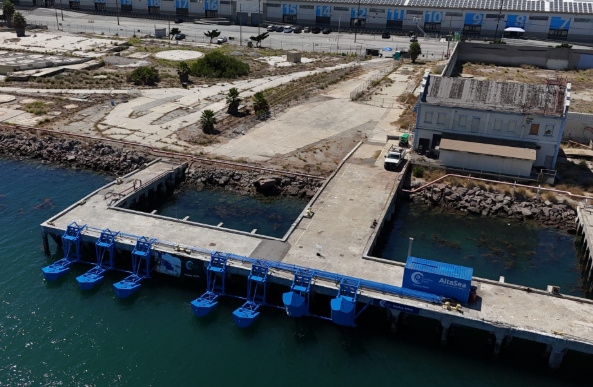
The BosTEN Project will assess how much thermal energy could be harnessed and how it could be most efficiently distributed. Targeted thermal sources include:
- The Boston Harbor
- The Charles River
- The Mystic River
- The Fort Point Channel
- Bedrock below the Charles and Mystic River
The BosTEN Project seeks to address five key questions for these thermal reservoirs:
- Thermal Supply. How much useful thermal energy can be reliably extracted from or stored in the targeted thermal reservoirs?
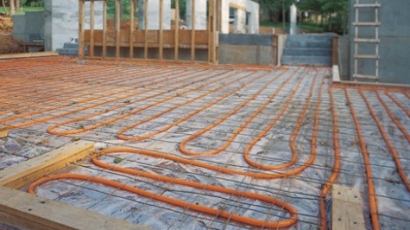
- Thermal Distribution. How can this energy be cost-effectively distributed to potential users? How can rejected thermal energy be redistributed through the thermal energy network?
- Thermal Demand. What is the potential phased demand of large energy users for the delivered thermal energy, and is this demand sufficient to justify capital investment for extraction/storage, distribution and consumption? How does rejected thermal energy help balance overall thermal demand in the system?
- Investment Opportunities. For those new thermal opportunities where feasibility is validated by the technical, economic and regulatory analysis, what next steps will help convert those opportunities into projects ready for investment for both the thermal supply and distribution infrastructures?
- Regulatory and Permitting Barriers. What are the regulatory and permitting barriers to new clean thermal development?
This study will explore affordable ways to shift buildings and infrastructure in the Boston area to non-combusting thermal sources, utilizing the finances, size and status of some of the largest institutions in the Boston area. The study’s goal is to create a statewide model that is practical, equitable, affordable and can be enacted now.
The resulting report from this project will provide needed information for building owners, institutional leaders, and policy makers to select the best method(s) for further investigation and potential action.