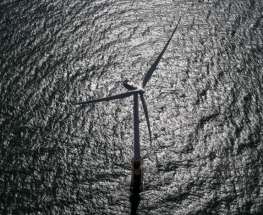


The authorisation enables DNV to apply its FOW Rules within the Japanese regulatory framework and strengthens the company's ability to support stakeholders involved in floating offshore wind projects in Japan. DNV's framework covers floating offshore wind installations, including floating substructures, mooring and station-keeping systems, and associated safety and utility systems.
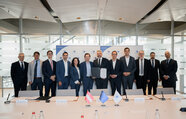
“We greatly appreciate the constructive cooperation with the Japanese authorities throughout the process” said Cristina Saenz de Santa Maria, CEO Maritime at DNV. “It reflects our long-term commitment to Japanese maritime and offshore industries and strengthens our ability to contribute independent expertise and assurance as the market develops. We see increasing interest in floating offshore wind globally, and trusted technical frameworks will play an important role as projects progress.”
Japan is widely recognised as a market with significant long-term potential for floating offshore wind due to its extensive coastline, deep-water conditions, and ambitions to increase renewable energy capacity. The new authorisation further positions DNV to contribute with technical expertise, risk management, independent assurance, and certification services as the market develops.
“DNV's authorisation is an important milestone for Japan’s floating wind sector” added Per Christer Lund, Special Advisor of Energy and Technology, Innovation Norway Tokyo. “As projects move closer to development, access to international experience and established technical frameworks becomes increasingly important. Norway and Japan have built strong ties across the maritime, energy and offshore industries, and this authorisation creates another opportunity for collaboration as Japan develops its floating offshore wind industry.”
The authorisation follows close collaboration between DNV Japan and global technical experts, as well as constructive engagement with the Japanese authorities throughout the approval process. DNV has been involved in offshore wind projects globally for several decades and continues to support the industry's development through technical standards, classification and advisory services.
For additional information: