
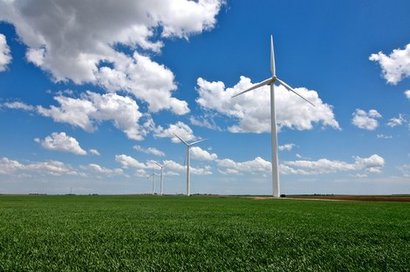
The findings of the report – “Fire Alarm: How isolated fire incidents could threaten EU onshore wind” - draw on expert insight across the European wind industry. This emerging risk comes at a pivotal moment for the sector, with offshore wind facing ongoing uncertainty motivating developers to increasingly focus on onshore projects.
Europe has seen a historic surge in onshore wind proposals, with more than 200,000 MW of new projects proposed in the last two years along. Yet despite 189,641 MW of operational capacity, 56,563 MW of planned projects were cancelled, shelved or mothballed over the last 18 years – demonstrating how persistent permitting and community hurdles, often exacerbated by isolated turbine fires, continue to stall progress.
Without action to address public fears around turbine fires, over 12 GW of future capacity could be at risk.
Although turbine fires are exceptionally rare – with global incident rates estimated at only 1 fire per 1,710 to 7,000 turbines, representing far less than 1 percent of the fleet – they often receive disproportionate media attention, frequently amplified by viral social media imagery. This coverage is often utilised by local opposition groups, who reuse dramatic visuals and provocative language to influence authorities having jurisdiction (AHJs), resulting in project delays or cancellations that far exceed the actual level of risk.
These dynamics are intensified by a lack of timely, factual, and contextual information from the industry, allowing isolated incidents to be perceived as systemic problems and drive community opposition.
The report states that the industry must establish standardised, evidence-based data on turbine events to dispel myths and address misinformation. A central, publicly accessible database on turbine fires would help convey a clear, coherent message that steps are being taken to protect sites from fire risks and that these events are rare.
While data regulations are fragmented across Europe, a complete regulatory overhaul is unnecessary. Instead, stronger accountability and enforcement of existing industry standards would provide greater clarity and a more level playing field.
Greater data collaboration between OEMs, insurers, and regulators is also essential to identifying real risks and guiding the development of effective fire prevention and mitigation technologies. This coordinated approach would help the industry move from reacting to incidents toward proactively reducing them.
The report emphasises that early, proactive and continuous engagement is essential to building community support for onshore wind projects. Providing timely, transparent information from the earliest planning stages – and maintaining an open dialogue through regular Q&A forums, rather than one-off meetings – helps reassure local citizens about site safety.
Clear explanations of safety protocols – including routine maintenance operations and emergency response plans – should also be paired with relatable comparisons that help residents understand risk, since raw statistics are often misinterpreted.
Helping local residents to recognise the local benefits of wind farms, such as job creation and clean, more affordable electricity, can further boost support. Outreach to local schools also helps build familiarity with wind technology among younger generations
Together, these measures directly address the fear and uncertainty that often stem from limited information and misunderstanding and help local communities to understand the economic benefits of onshore wind projects.
“Europe cannot afford to let rare turbine fires – or the sensational headlines they attract – derail the continent’s onshore wind boom” said Joe DeBellis, Global Head of Clean Energy Sector at Firetrace International. “Dramatic visuals and inconsistent reporting often amplify perceptions of risk, fuelling misinformation and driving avoidable community pushback against projects that are vital to advancing the renewable energy transition. That’s why standardised, transparent fire-incident data, paired with early and meaningful engagement with local communities, is essential. When people have access to clear information, understand the economic benefits of onshore wind sites and see developers addressing concerns upfront, trust grows. These steps will help safeguard the onshore wind pipeline, accelerate the energy transition, and ensure that millions of households continue to benefit from clean, reliable and affordable electricity for decades to come.”
For additional information: