

To bring the green energy ashore, Jan De Nul will transport, install and protect 60 kilometers of subsea cables. 55 kilometers southwest of Formosa 4, the company was also selected as the preferred contractor for export cables on SRE’s wind farm Formosa 6.
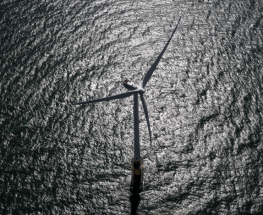
In less than a decade, Taiwan has built a capacity for offshore wind energy of more than three gigawatts, generated by 374 wind turbines. This puts them in seventh place worldwide. With the projects currently under construction, they are expected to hop over Belgium into sixth place this year. By 2030, Taiwan hopes to exceed a capacity of 13 gigawatts.
Wouter Vermeersch, Director Subsea Cables Offshore Energy at Jan De Nul, said, "We have successfully delivered several fully operational wind farms through large EPCI contracts, which means that we take on the entire project, from design and procurement to construction and installation.
"In addition, we have supported almost all of Taiwan’s wind farm developments with a wide range of transport and installation solutions, including pre-sweep operations, subsea rock installation, and cable laying services. We have been at the forefront in supporting Taiwan towards its pathway to net-zero emissions in 2050."
Among the projects shaping Taiwan’s ambitions is the Formosa 4 wind farm, situated 20 kilometers off Miaoli County’s coast. Thirty-five turbines will generate a capacity of 495 megawatts, providing green energy to about half a million households. To bring this energy ashore, Jan De Nul will transport, install and protect 60 kilometers of submarine HVAC cables. The works will start in 2026 and continue in 2027. The company will deploy its cable-laying vessel Willem de Vlamingh.
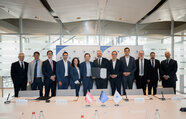
This new contract comes shortly after the company received an award from the Belgian Embassy in Taiwan, highlighting its long-standing commitment to the development of offshore wind energy. Cooperation between Belgium and Taiwan has been on the rise for a number of years. According to the Belgian Embassy in Taipei, it has more than doubled between 2020 and 2025.