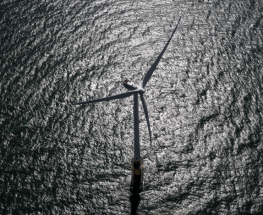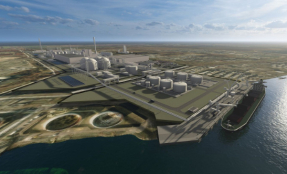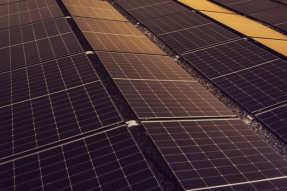


Wind energy, a prominent form of renewable energy, is generated by converting the kinetic energy of wind into electrical energy using wind turbines. These turbines convert wind energy into mechanical energy, which is then transformed into electricity through generators. The wind energy market is broadly categorized into onshore and offshore wind energy systems. Onshore wind turbines are installed on land, while offshore wind turbines are deployed in oceans and seas where wind speeds are stronger and more consistent.
The growing shift toward clean and sustainable energy solutions is significantly strengthening the global wind energy market outlook. As countries strive to reduce carbon emissions and dependency on fossil fuels, wind energy is emerging as a key component of the global energy transition.
Key Drivers Accelerating the Wind Energy Market Growth
One of the major factors driving the wind energy market growth is the rising concern among governments and organizations regarding environmental sustainability and climate change. Increasing investments in renewable power infrastructure and favorable regulatory frameworks are encouraging the adoption of wind energy across developed and developing economies.
Furthermore, the declining cost of wind energy production is playing a crucial role in boosting market expansion. Offshore wind turbines, in particular, are gaining traction due to their higher efficiency and ability to harness strong wind resources even at deep water levels. Floating offshore structures enable energy generation in regions with sea depths exceeding 200 meters, making them highly effective in narrow continental shelf areas.
In addition, the levelized cost of energy (LCOE) for wind turbines in Europe is expected to decline significantly from around $220-$245 to nearly $50-$73 by 2030, making wind energy more competitive compared to conventional power sources. This cost reduction is expected to further accelerate the growth of the wind energy market during the forecast period.
Offshore Wind Energy Dominating the Market
Based on type, the offshore segment emerged as the market leader and is projected to grow at the highest CAGR of approximately 13.9% during the forecast period. Offshore wind energy systems offer a higher capacity factor than onshore turbines due to consistent and stronger wind flow over sea surfaces.
The superior efficiency of offshore wind turbines makes them a preferred choice for large-scale power generation projects. In addition, offshore installations help in generating higher output with fewer turbines, which enhances operational efficiency and supports the overall growth of the wind energy market.
Onshore wind energy, however, continues to hold a significant share due to lower installation costs and ease of maintenance. The balanced adoption of both onshore and offshore technologies is expected to sustain the long-term development of the global wind energy market.
Industrial Segment Leading End-User Demand
By end-user, the industrial segment accounted for the highest revenue share, contributing more than 50% of the market and projected to grow at a CAGR of 10.1% during the forecast period. The rising demand for renewable electricity across industrial facilities is a key factor supporting this segment's dominance in the wind energy market.
Industries are increasingly adopting wind energy solutions to reduce operational costs, achieve sustainability goals, and ensure reliable power supply. Furthermore, the growing prominence of green energy adoption in manufacturing, mining, and heavy industries is expected to drive continuous demand in the wind energy market.
In addition, wind energy is gaining significant traction in rural and isolated areas where grid connectivity is limited or unavailable. Deployment of wind turbines in such regions ensures uninterrupted power supply and promotes rural electrification, further expanding the scope of the wind energy market.
Regional Insights: Asia-Pacific Leading the Wind Energy Market
Region-wise, Asia-Pacific dominated the wind energy market with around 62% revenue share in 2019. Rapid industrialization, increasing energy demand, and strong government initiatives supporting renewable energy projects in countries such as China and India are key factors driving regional growth.
Europe is expected to witness the highest growth during the forecast period owing to rising investments in renewable infrastructure across countries such as France, the UK, and Norway. The presence of major wind turbine manufacturers and favorable policies promoting clean energy adoption are further contributing to the expansion of the wind energy market in the region.
North America is also experiencing steady growth due to increasing investments in offshore wind farms and supportive federal and state-level renewable energy targets. The growing focus on decarbonization and sustainable energy solutions is expected to enhance the regional wind energy market size in the coming years.
Competitive Landscape and Key Market Players
The global wind energy market is highly competitive, with leading companies adopting strategies such as acquisitions, partnerships, agreements, and technological innovations to strengthen their market presence. Key players operating in the wind energy market include Siemens, General Electric, Enercon GmbH, Vestas Wind Systems A/S, Exelon Corporation, NextEra Energy, Inc., American Electric Power Company, Inc., Xcel Energy Inc., Avangrid, Inc., and Ameren Corporation.
These companies are focusing on expanding offshore wind projects, improving turbine efficiency, and investing in digital monitoring solutions to enhance operational performance and reduce maintenance costs. Continuous research and development activities are expected to create new growth opportunities in the wind energy market.
Future Outlook of the Wind Energy Market
The future of the wind energy market appears highly promising, driven by increasing renewable energy investments, technological advancements, and supportive government policies worldwide. The growing adoption of offshore wind farms, declining production costs, and rising industrial demand for sustainable power solutions are expected to significantly boost market growth.
Moreover, the global transition toward low-carbon energy systems and increasing focus on energy security will further strengthen the expansion of the wind energy market. As countries continue to prioritize green energy infrastructure and carbon neutrality targets, wind energy is set to become a cornerstone of the global renewable energy landscape, ensuring steady and long-term growth through 2027 and beyond.