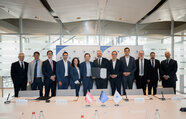

During the visit of Baleària’s technical team to Methanol Reformer’s facilities, the system underwent technical verification and the Factory Acceptance Test (FAT), confirming its proper operation and readiness for shipment to the ferry operator, where commissioning will take place in the coming weeks.
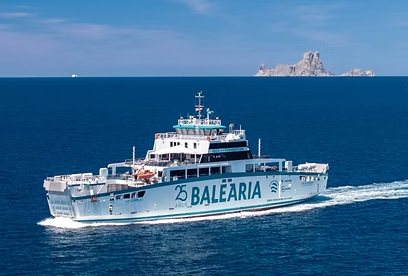
The container combines electricity generation from hydrogen produced via e-methanol reforming with a modular, compact, and autonomous design, suitable for both port and maritime environments. The electricity generated will support the operation of the electric ferry Cap de Barbaria, complementing battery charging and turning the vessel into a real-life testbed to validate the use of renewable hydrogen onboard under operational conditions.
The hydrogen produced by the system will feed a fuel cell generating auxiliary electricity to support battery charging and reduce reliance on conventional generators, lowering fuel consumption and emissions.
The system incorporates the L18 hydrogen generator, manufactured by Methanol Reformer under license from the U.S. company Element1®, in collaboration with E1 Marine for maritime applications. This integration ensures high standards of reliability, safety, and performance.
“We are proud to collaborate with Baleària on this pioneering project, which turns the Cap de Barbaria into a real-life testbed to validate hydrogen generation from e methanol onboard. This initiative demonstrates how technological innovation can transform maritime mobility, boost energy efficiency, and accelerate the decarbonization of short-distance transport,” says Javier Torres, Managing Director of Methanol Reformer.