
The invention, titled "Algae System for Water Treatment, Bioenergy Production, and Resource Reuse," was developed by company founders Martin Gross and Zhiyou Wen, along with Joseph Edward Zuback and Paul Simpson, according to public filings.
The system utilizes a flexible sheet material to facilitate the growth of an algal biofilm. A mechanism rotates this sheet through a liquid reservoir, allowing the algae to interact with the water. The system also includes a resource reclamation device configured to collect materials for reuse.
Gross-Wen Technologies, headquartered in Slater, Iowa, originated from research conducted at the Iowa State University BioCentury Research Farm. The company, founded in 2014, has received support from university programs including the Startup Factory and the Center for Crops Utilization Research.
"One of our primary roles has always been to support ISU faculty to engage industry for economic development in Iowa," said Andy Suby, assistant director of the BioCentury Research Farm, in a written statement. "GWT is an excellent example of talented entrepreneurial ISU faculty making a tangible impact by successfully commercializing technology in this very important emerging market."
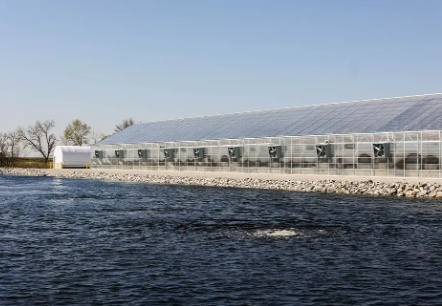
The patent filing follows recent developments regarding the company’s core technology, the Revolving Algal Biofilm system. This system removes nitrogen and phosphorus from wastewater while generating algal biomass.
Earlier this year, the company announced a commercial partnership with water technology firm Xylem. The collaboration aims to integrate the RAB system with Xylem’s anaerobic treatment platforms, specifically targeting industrial wastewater markets. The two companies previously collaborated on a project in Pasco, Washington, to meet state nutrient discharge requirements.
In 2024, Gross-Wen Technologies was awarded a portion of a $2 million Department of Energy grant in partnership with the firm Algix and the National Renewable Energy Laboratory. The project focuses on developing carbon-sequestering molecular films capable of capturing 20% more carbon dioxide than conventional systems. The resulting algal biomass is intended for conversion into sustainable bio-based plastics.
"This project is bringing together the top minds from around the country in an effort to create a more sustainable and lower carbon future," GWT founder Martin Gross said in a statement.
The company previously received a $240,000 grant from the Department of Energy to further refine its wastewater treatment processes for improved phosphorus removal. GWT’s founders continue to hold faculty positions at Iowa State University.